skip to Main Content

The Care Connection

What a day to remember at The Care Connection Career Festival!

On Wednesday 26th November, students, care providers and partners came together at the Oxford Belfry Hotel & Spa for an inspiring and high-energy Care Connection Career Festival. From the moment the event began, the atmosphere was filled with enthusiasm, curiosity and a genuine sense of connection.

Throughout the day, the venue buzzed with meaningful conversations as students had the opportunity to speak directly with care professionals and organisations from across the sector. Teams valued the chance to share their experiences, discuss career pathways and highlight the wide range of roles available within care. It was clear from the level of engagement and thoughtful discussions just how interested and motivated the students were to learn more about working in the sector.

One of the key highlights of the day was our keynote speaker, Jermaine Harris, whose powerful message and infectious energy resonated strongly with everyone in the room. His session sparked reflection, motivation and open conversation, setting an inspiring tone for the rest of the event. We were also incredibly grateful to our panel members; Robyn Taylor from Home Instead, Anita Goyal from Hallmark/Goyal Foundation, Kam Gill from Walfinch and Lorna McLeavey from Right at Home Oxford, who shared their personal journeys, insights and experiences within the care industry with honesty and passion.

The panel discussion prompted a wealth of thoughtful and insightful questions from students, creating a lively and engaging dialogue. Their curiosity and willingness to explore the realities and rewards of a career in care played a huge role in making the session such a success.

One of the most rewarding outcomes of the day was seeing so many students leave feeling excited and inspired about their future career possibilities within the care sector. That sense of enthusiasm and purpose is a powerful reminder of the importance of events like this in connecting young people with meaningful career opportunities.

We would like to extend a huge thank you to everyone who attended, supported and contributed to making The Care Connection Career Festival such a positive and successful event. From our speakers and panel members to our providers, partners and students, your involvement helped create a day that was informative, engaging and truly impactful. We’re already looking forward to building on this momentum and welcoming everyone back for the next event.

Construction Workforce Development Partnership

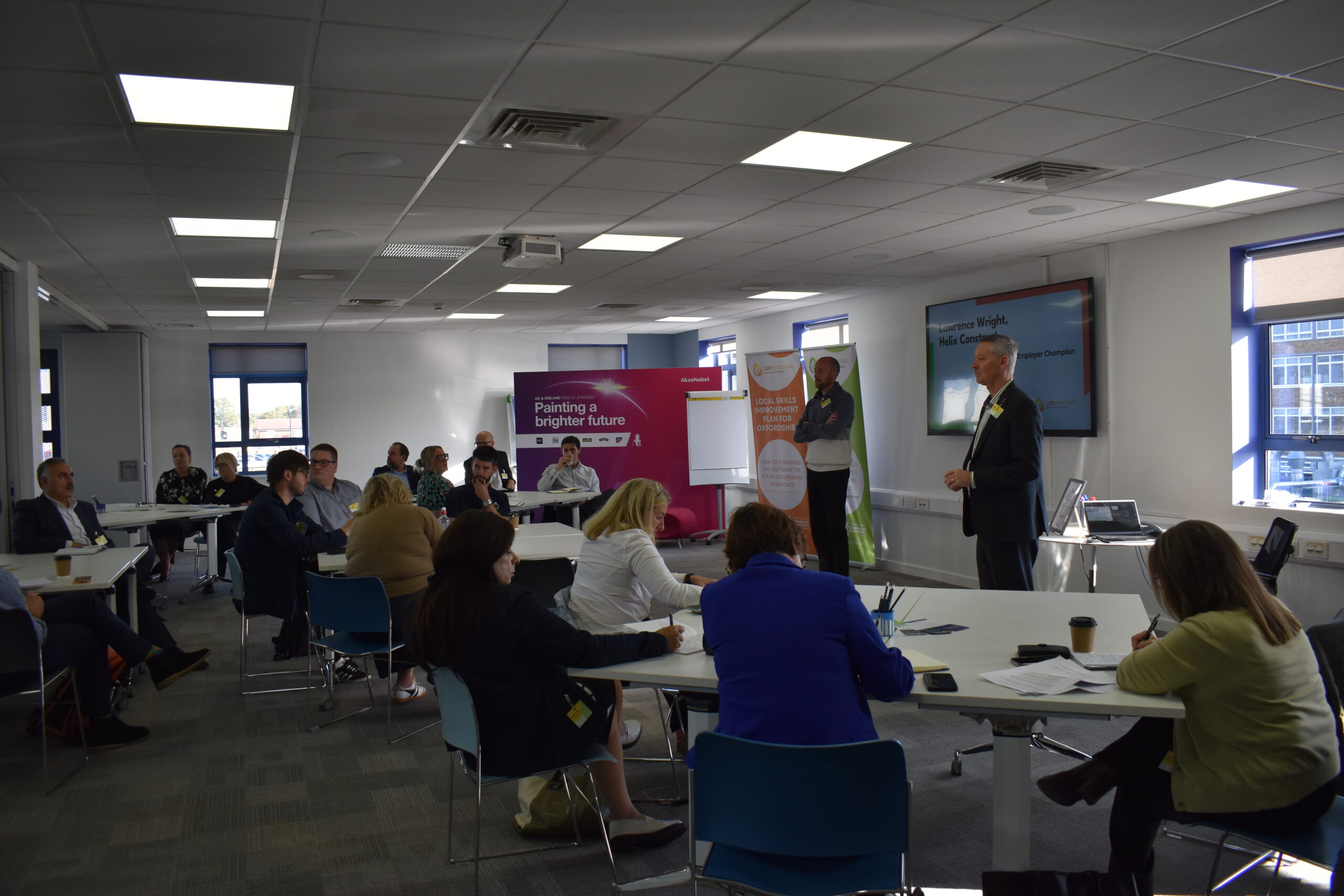
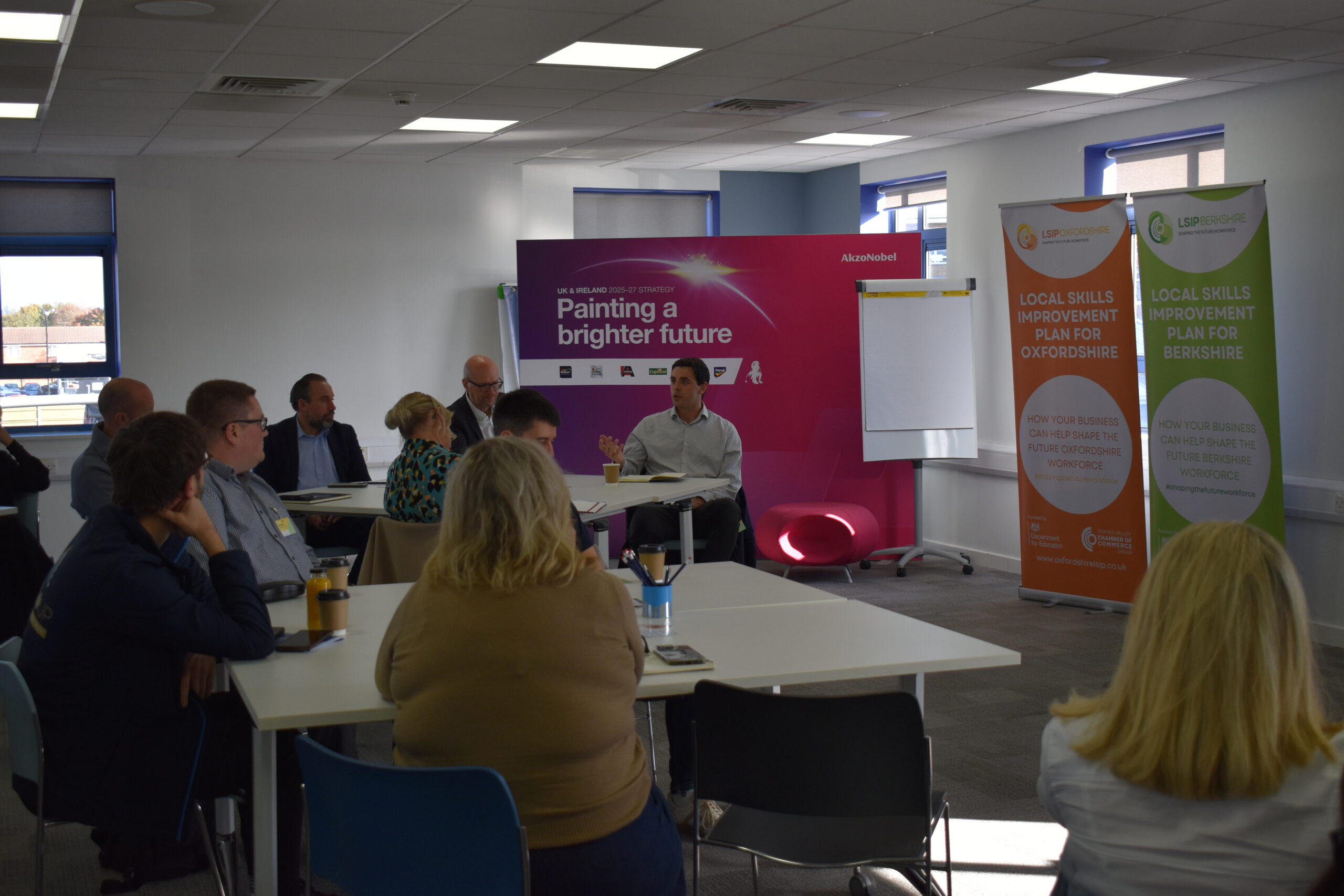
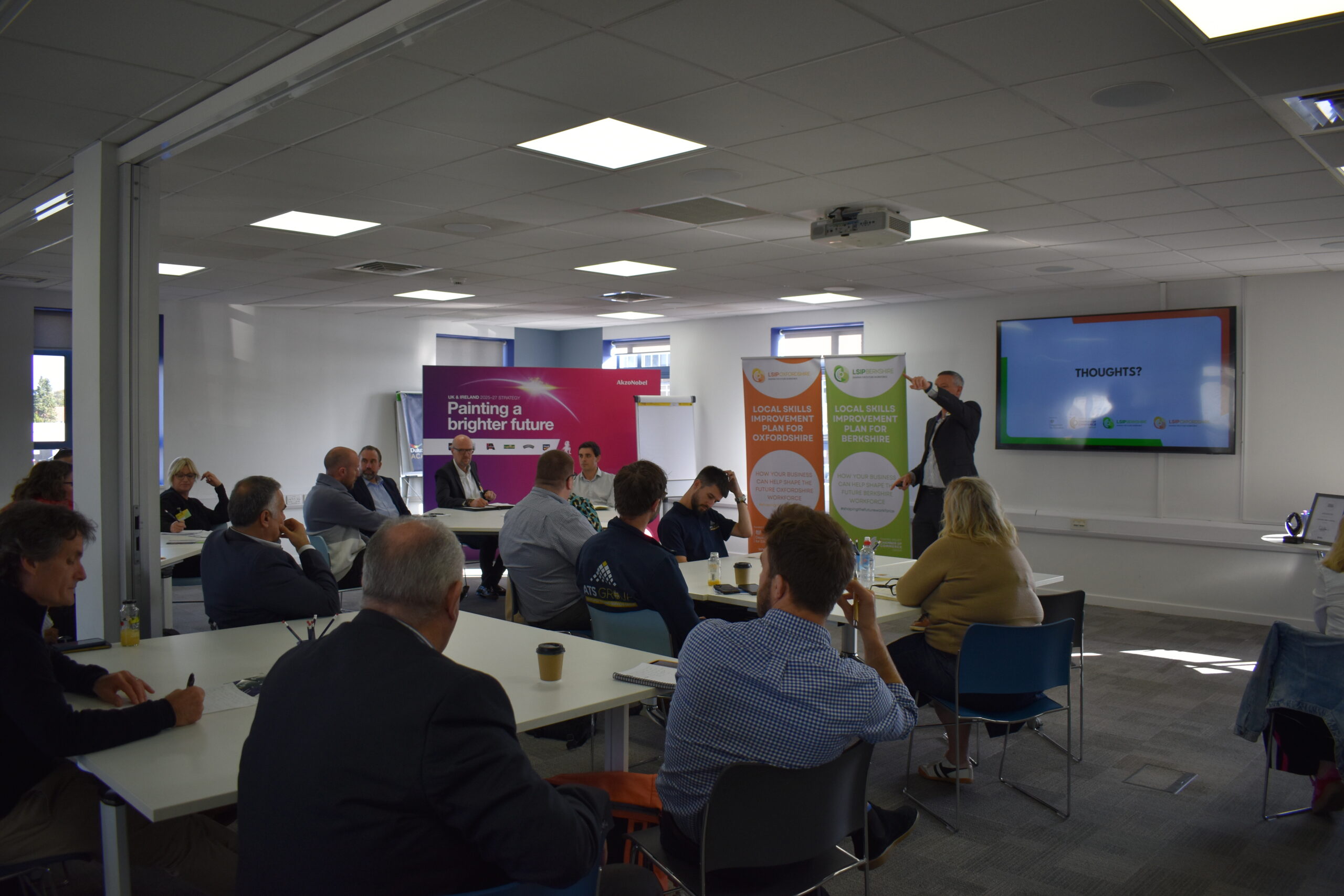
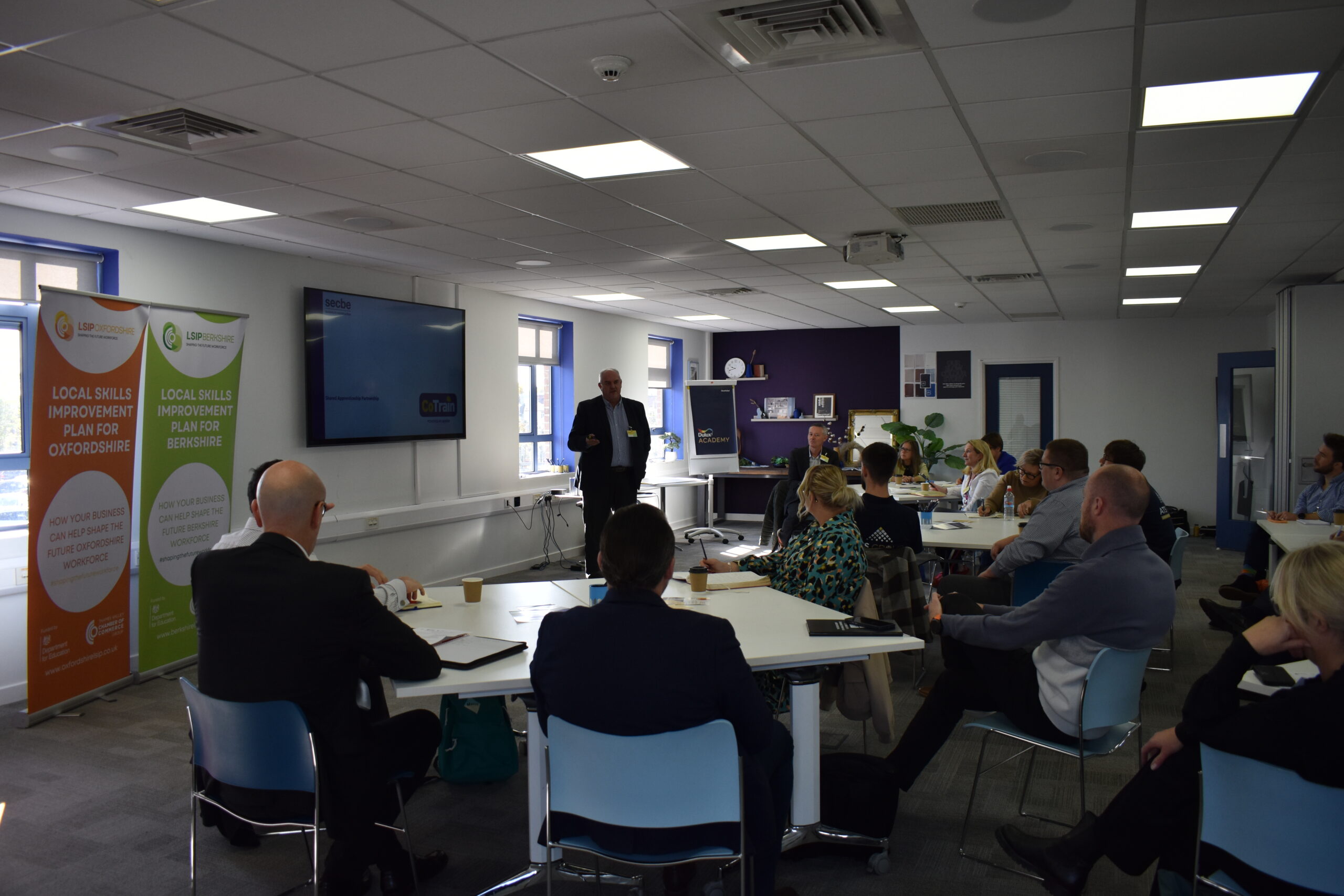
At the Construction Workforce Development Partnership meeting held on 9 October 2025, attendees reviewed the current state of the construction sector, noting that progress had largely stagnated in 2025. Rising build costs, public sector delays, and decision-making bottlenecks were highlighted as key challenges, despite significant funding allocations for affordable housing. The newly appointed Housing Minister’s engagement with planning and safety issues was expected to improve delivery in 2026, but concerns were raised that current skills shortages would become more acute as building approvals accelerate. The forthcoming Future Skills Roundtable on 10 October 2025 was flagged as a key event to address these challenges.

The purpose of Local Skills Improvement Plans (LSIPs) was reiterated, emphasising their role in creating employer-led solutions, building long-term relationships between local businesses and education or training providers, and co-developing strategies to address local workforce needs. Workforce Development Partnerships (WDPs) continue to underpin this work through regular collaboration, project development, and skills and talent pipeline management.

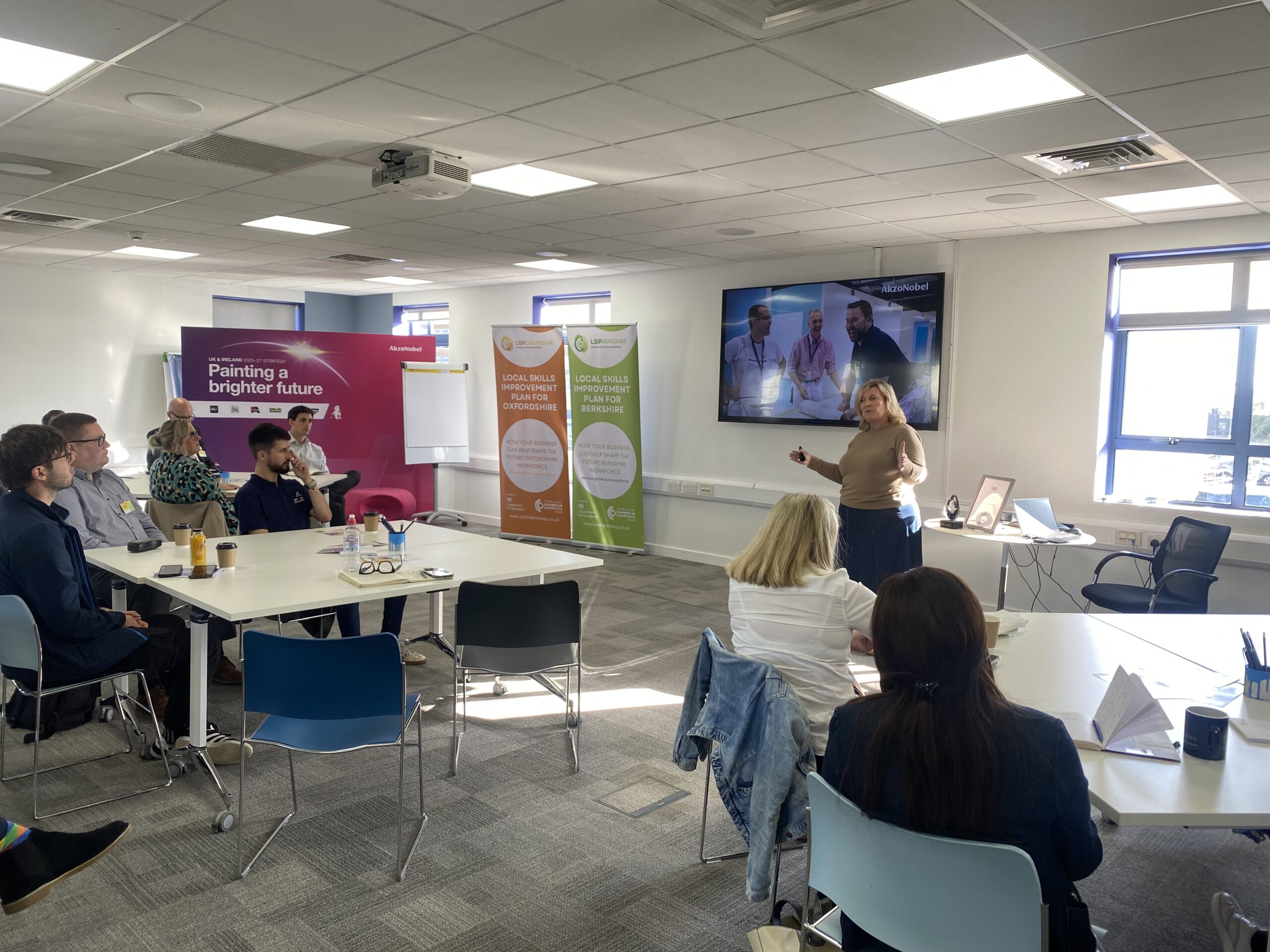
Vickie provided an update on the Dulux Academy, noting its strategic investment in skills through a purpose-built site delivering over fifty courses, apprenticeships, and CPD opportunities to professional decorators and multiskilled trades. To date, 26,000 individuals have trained through the Academy. The training is delivered by active industry professionals, ensuring relevance, though concerns remain over the closure of painting and decorating departments across construction colleges, potentially exacerbating skills shortages.

The group discussed opportunities for a bid under the Industry Impact Fund to develop an introductory pathway for industry professionals to become trainers or assessors. The proposed pathway would use a framework collaboratively developed by Thames Valley employers and training providers, guiding participants from small qualifications toward formal teaching qualifications if desired. The bid allows up to £500,000 in funding, with up to 15% allocated for project management, and would be led by an employer with support from FE providers and endorsing employers. Benefits include transitioning employees into training roles, improving understanding of workforce skills, aligning training with industry practice, addressing recruitment challenges, and delivering social value outcomes such as local employment opportunities and Section 106 compliance. Flexible, individualised training plans and pilot approaches, including pop-up academies and Bootcamps, were recommended to overcome challenges like staff release costs.

The CoTrain shared apprenticeship model was presented, illustrating how contractors can host apprentices for a minimum 26-week period while CoTrain manages recruitment, payroll, HR, and college administration. Key outcomes include 10% of apprentices completing programmes early, 15% securing early employment with host contractors, 30% receiving salary increases, and 95% remaining in the industry post-programme. Structured support, regular reviews, mentoring, and flexible placements across supply chains help ensure learning objectives are met while addressing workforce shortages and supporting social value obligations.

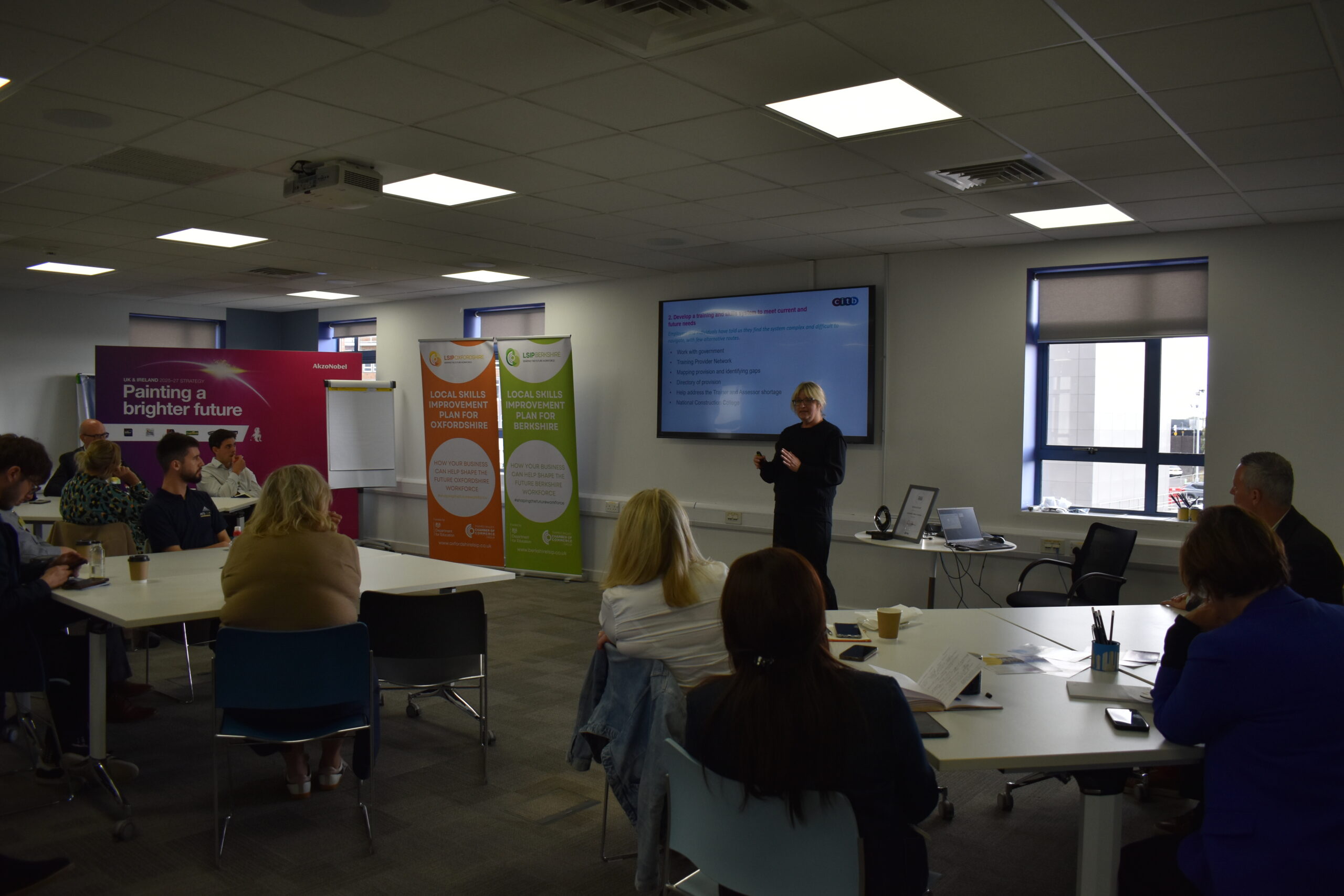
CITB provided an update on their 2025–2029 Strategic Plan, focusing on inspiring diverse talent into construction, developing the training and skills system, and supporting employers to train, develop, and retain their workforce. Initiatives include apprenticeship grants, Travel to Train funding, the Go Construct platform, STEM Ambassadors, CPD modules, quality-assured training through the Training Provider Network, competence frameworks, employer networks, free e-learning, and the Fairness, Inclusion, and Respect programme. Emphasis was placed on in-place workforce support, mapping qualifications, and direct invoicing for employers, with FIR resources soon available via a mobile app.

The meeting concluded with an LSIP 2026 update, confirming LSIPs as a permanent feature of national skills strategy, aligning regional and national priorities, and continuing to place employer engagement at the centre of sustainable skills development. To date, 2,943 employers have participated in meetings and workshops, reaching 94,231 wider contacts. Twenty Employer Champions are leading initiatives, and over 250 businesses actively contribute to WDP activities. LSIF funding of £5 million has supported 45 new courses, benefitting 1,408 learners and providing access to 2,190 new training facilities, with 116 employers contributing to course design. Future priorities include completing LSIP 1.0, progressing LSIP 2.0, deepening employer engagement, aligning with industrial strategy and local authority growth plans, and supporting Net Zero and equality initiatives, while ensuring sector ambitions and skills requirements are met through collaboration between training providers and employers across the Thames Valley.

Agreed actions from the meeting included continuing development of the introductory pathway for industry professionals with potential Skills Bootcamp funding, promoting the CITB Training Provider Network to increase access and quality of regional training, and leveraging CoTrain collaboration to facilitate apprenticeships across employer supply chains.

Hospitality and Visitor Economy Workforce Development Partnership

At the Hospitality and Visitor Economy Workforce Development Partnership meeting held on 30 September 2025, attendees discussed strategies to strengthen employer engagement, address recruitment and perception challenges in the sector, and expand opportunities for skills development and progression. The purpose of Local Skills Improvement Plans (LSIPs) was reaffirmed, emphasising their role in creating employer-focused solutions, developing strong partnerships between businesses and training providers, and co-designing strategies to meet local workforce needs through the ongoing work of Workforce Development Partnerships (WDPs).

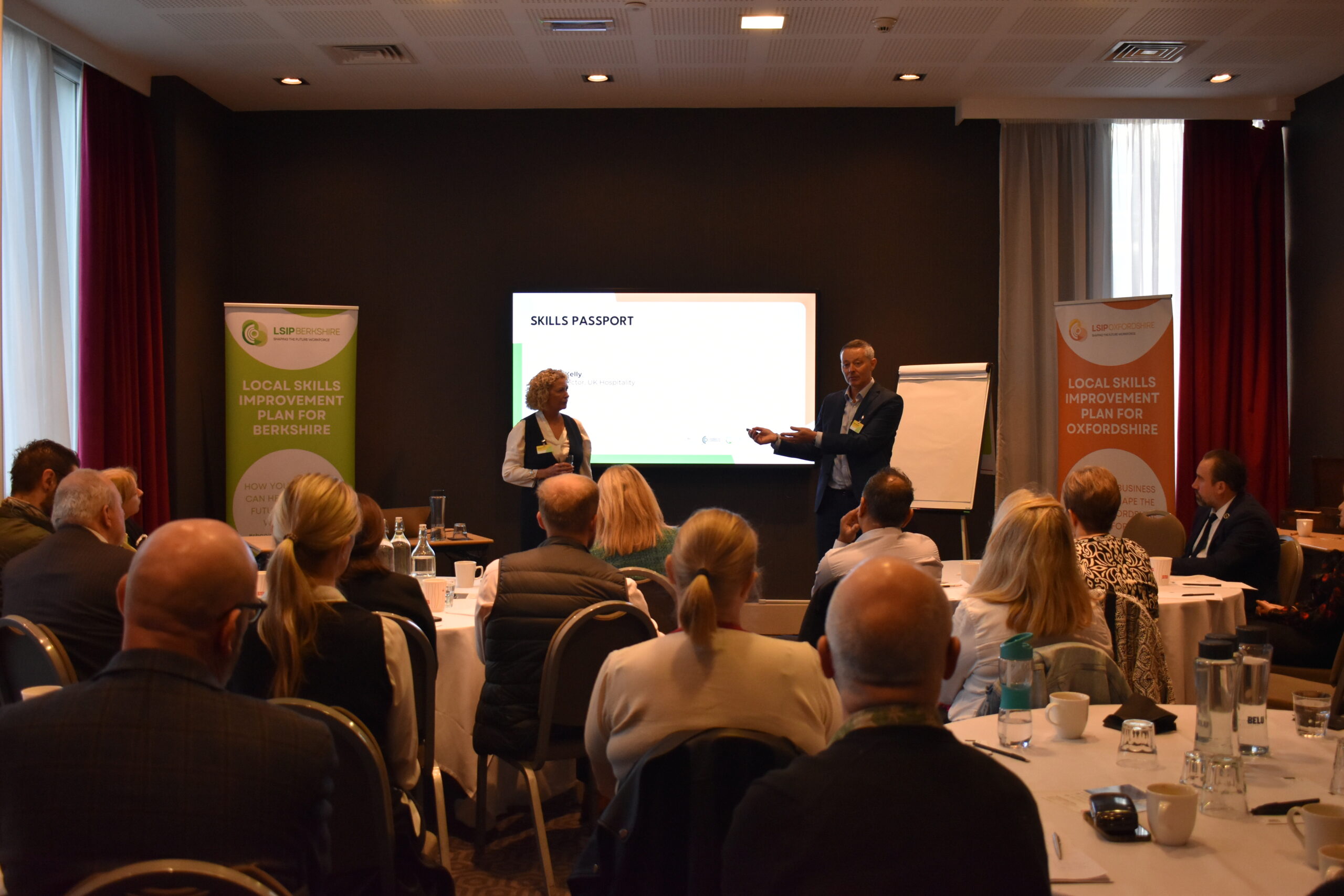
An update was provided on the Skills Passport initiative, which functions like a digital CV, recording qualifications and achievements that can be shared via a QR code. Rolled out nationally from April following an 18-month pilot, the programme is now live across 26 regions, including London, Kent, Suffolk, and Norfolk. It sets a universal entry standard based on six essential skills, ensuring consistency across hospitality and catering colleges. With 50 centres approved, the Skills Passport allows employers to track learners’ skills over a four-week period, and job centres have been supplied with promotional materials to encourage participation. Park Dean was noted as the first employer to offer apprenticeships linked to the programme. The OCN London model was praised for demonstrating the value of a portable, entry-level industry credential, and discussions explored opportunities to utilise adult skills funding and DWP support to expand access—particularly for 17-year-olds. Attendees agreed that hospitality should be promoted as an aspirational career choice with clear pathways and visible progression opportunities, supported by national initiatives such as graduate apprenticeships and ambassador schemes.

The group heard from the Travel, Tourism and Aviation Department at WFCG, which has more than 70 years of teaching experience and currently supports 150 learners aged 16–18 and adult students. The department has an excellent record of employment outcomes, with 85% of cabin crew students progressing into work. It is seeking to deepen partnerships with employers in Windsor, Heathrow, and surrounding areas to provide skilled candidates, reduce recruitment costs, and facilitate participation in Sector-based Work Academy Programmes (SWAPs). These six-week part-time courses, funded through the Adult Education Budget, include employer interviews and are designed to support local recruitment. Employers were encouraged to participate through guest lectures, mock interviews, workplace visits, and direct engagement with students ready to enter the workforce.

Discussion also focused on the role of Skills Bootcamps as short, employer-led programmes offering flexible training of up to 16 weeks for adults aged 19 and over. Bootcamps are addressing LSIP priority sectors including business, engineering, digital, sustainability, transport, retail, and hospitality, with positive outcomes for learner completions, interviews, and employment placements. Efforts are now being made to expand provision in hospitality and retail to address local skills gaps.

Participants explored ways to integrate the Skills Passport into the 16–18 curriculum, providing alternative funding routes while capturing learners’ achievements and supporting transitions into work. Employer co-investment in tailored Bootcamps and closer collaboration with providers were identified as key enablers for sustainable delivery models.

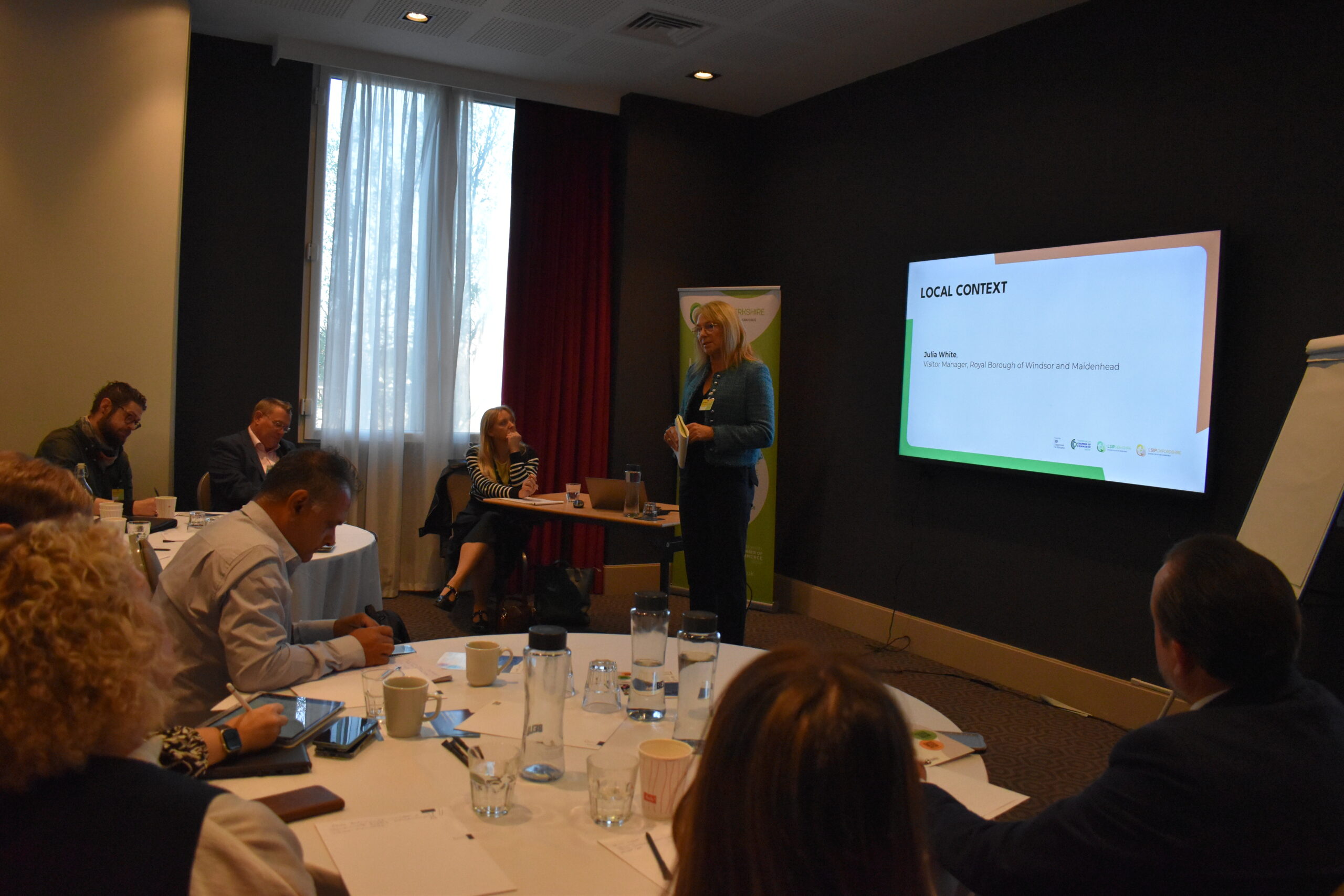
The meeting concluded with an LSIP update confirming the continuation of LSIPs as a permanent feature of the national skills strategy. To date, 2,943 employers have contributed to engagement activities, with 94,231 wider contacts reached and more than 250 businesses working directly with WDPs. LSIF funding of £5 million has supported 45 new courses and over 3,500 learners, with 116 employers helping to shape curriculum design. Looking ahead, LSIP 2.0 will focus on deepening employer engagement, aligning with local authority growth and Net Zero plans, and promoting equality of opportunity across the workforce. Local Business Improvement Districts (BIDs) were highlighted as valuable partners in data collection and employer engagement, and employers were encouraged to promote LSIP initiatives widely through direct outreach and local networks.

Agreed actions from the meeting included: promoting the Skills Passport to employers and education providers; increasing awareness of SWAPs to support recruitment and reduce advertising costs; exploring integration of Skills Passports into the 16–18 curriculum; continuing to develop Skills Bootcamps in priority sectors, particularly hospitality and retail; maintaining employer engagement through WDPs to inform LSIP 2.0; and promoting hospitality and tourism as aspirational career pathways through collaboration with local Careers Hubs.

Manufacturing, Science and Innovation Workforce Development Partnership

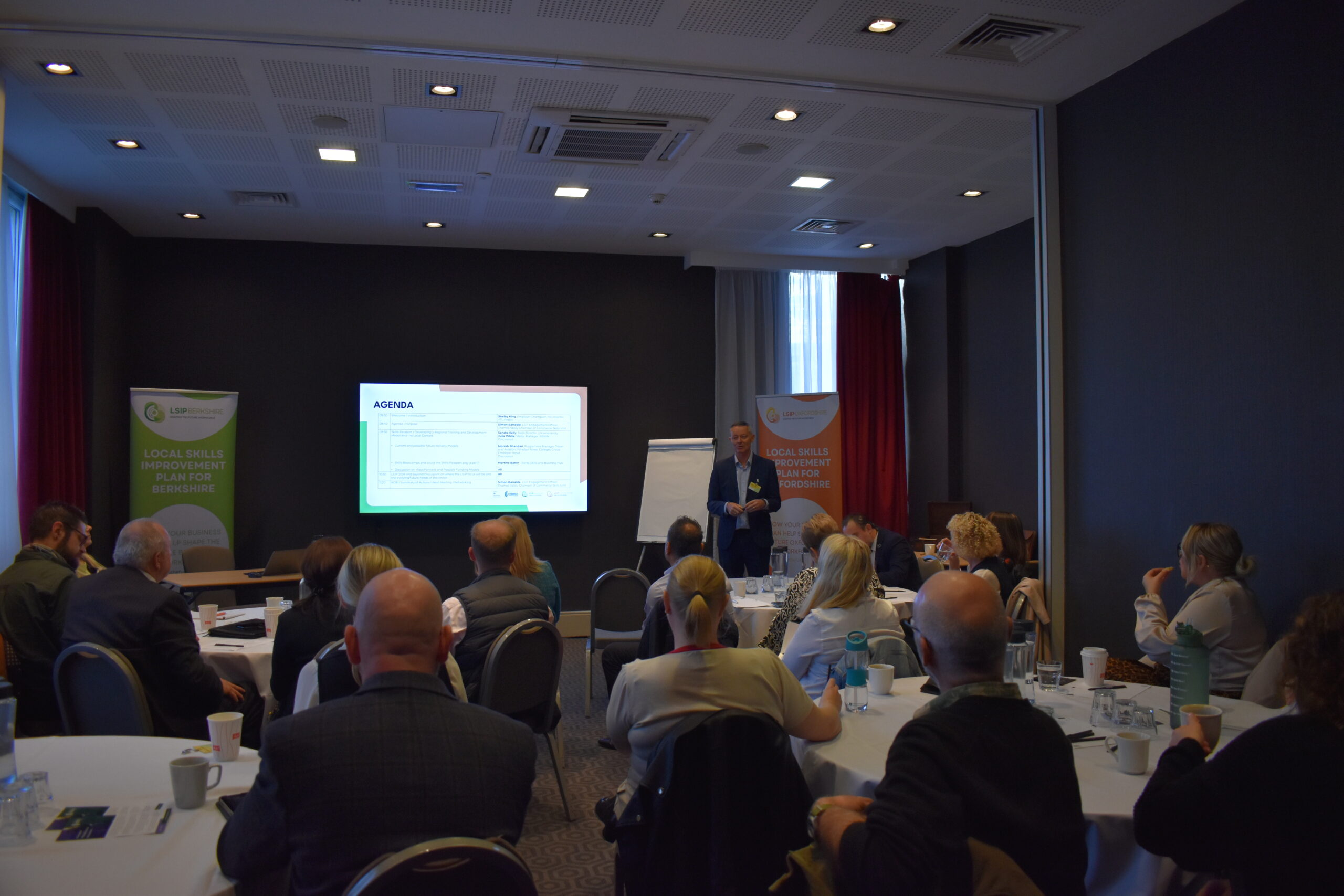
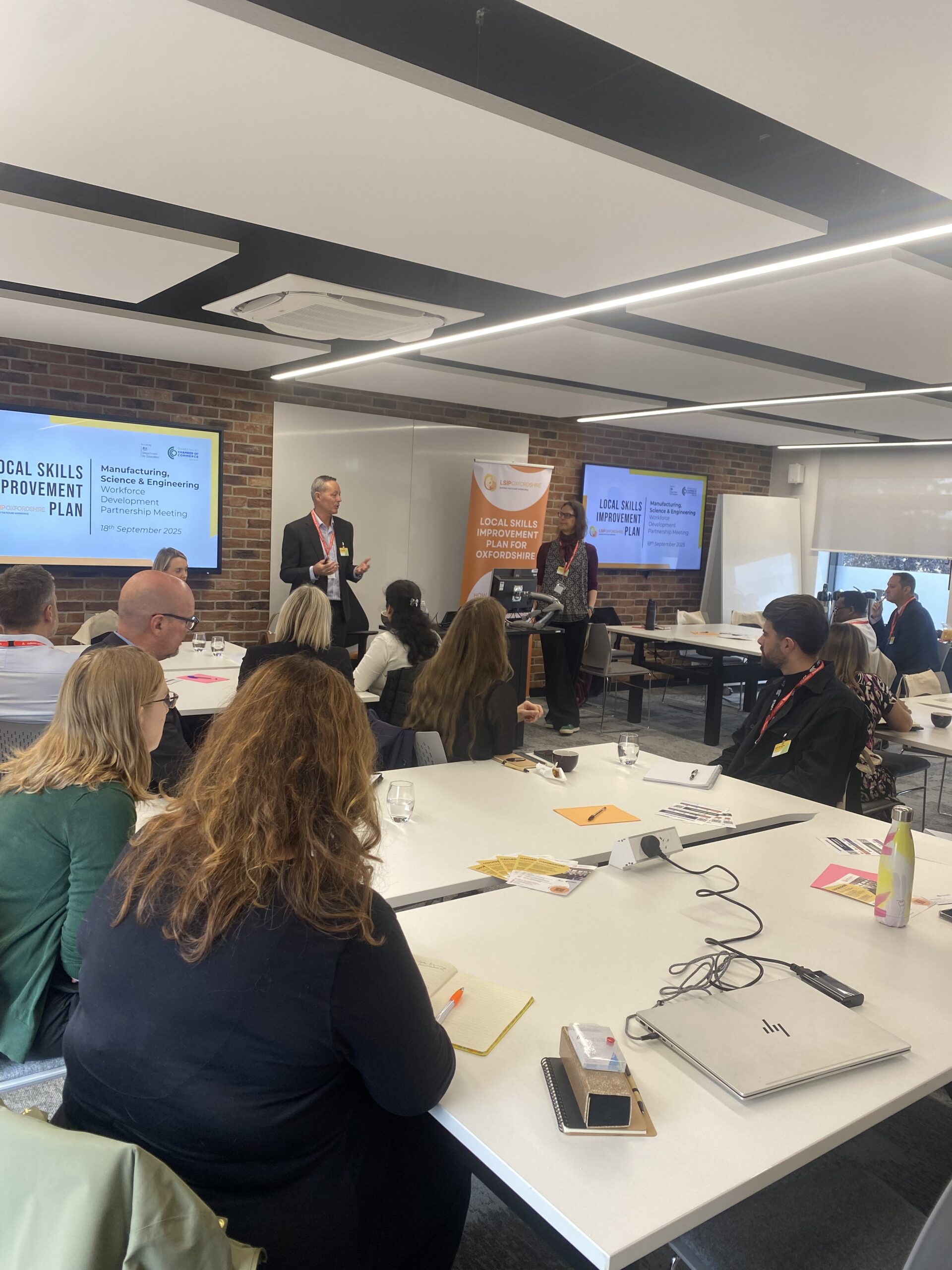
At the Science & Manufacturing Workforce Development Partnership meeting held on 18 September 2025, attendees explored strategies to strengthen the regional talent pipeline, focusing on essential skills development, early STEM engagement, and inclusive recruitment practices. Dr. Caroline Wood opened the session by reiterating the purpose of Local Skills Improvement Plans (LSIPs) as tools to create employer-led solutions, build long-term partnerships between businesses and education providers, and support sustainable workforce development through Workforce Development Partnerships.

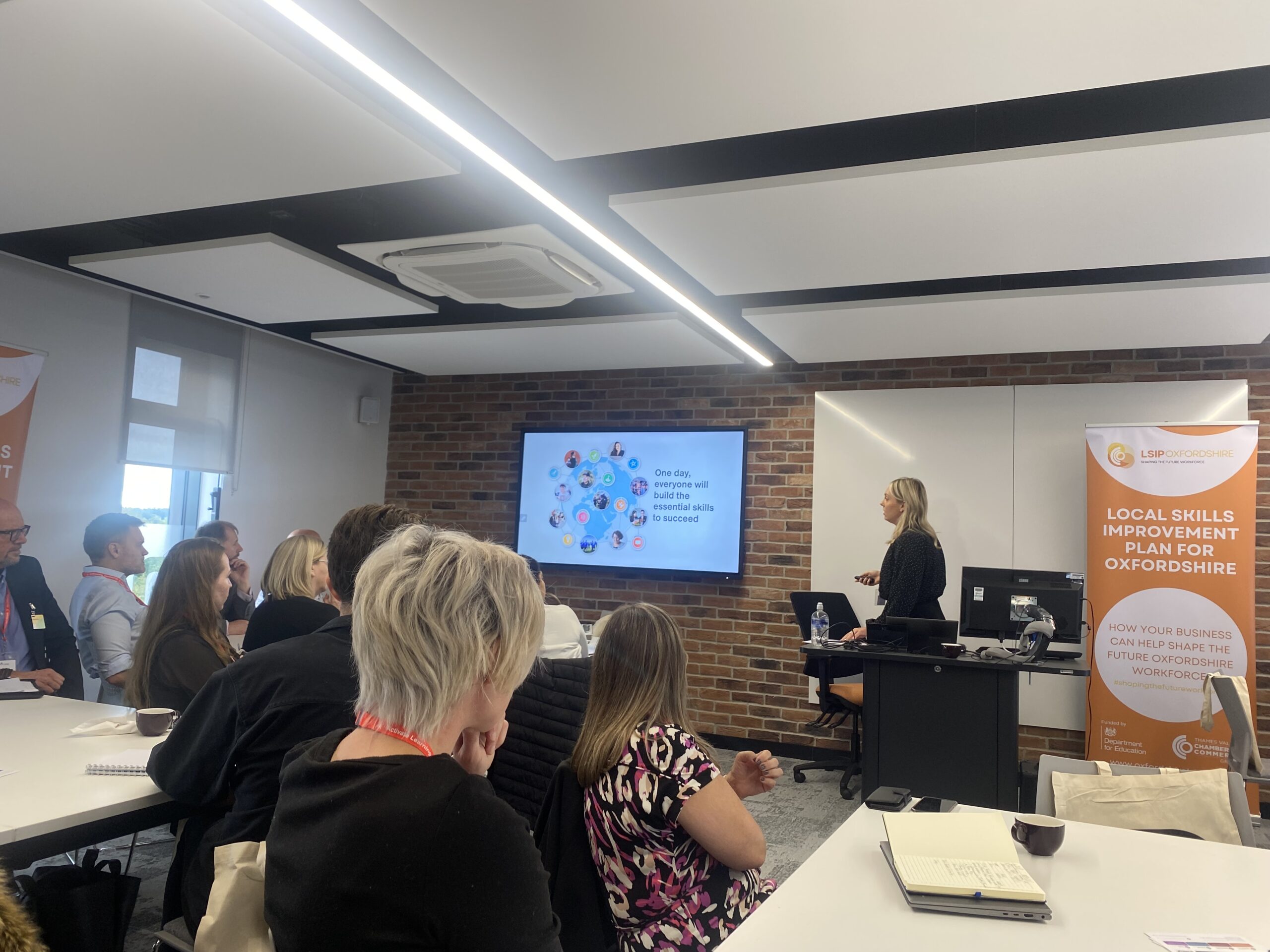
Emma Crighton from Skills Builder Partnership joined Dr. Wood to highlight the importance of essential skills in workplace readiness, presenting the Universal Framework which defines eight core skills developed through four stages and sixteen progressive steps. The session emphasised that these skills are critical for both learners and employers, improving job readiness, adaptability, and long-term career outcomes. Findings from the Essential Skills Tracker 2023 showed that low essential skills cost the UK economy £22.2 billion annually, while higher skill levels bring wage premiums, better life and job satisfaction, and greater adaptability to technology, including AI. Examples from Higgins, Morgan Sindall, and Amazon demonstrated how embedding essential skills into recruitment, onboarding, and learning programmes can increase confidence, retention, and productivity, although challenges remain in scaling such initiatives consistently across sectors.

Rebecca Jarvis from Connectr Early Engagement and UKAEA presented findings from the Oxfordshire STEM Mapping Research, showing that developing interest in STEM by age 14 is crucial to future study and career choices. Engagement is currently concentrated in Oxford and Didcot, leaving other areas underserved, and girls, non-binary learners, and students eligible for free school meals remain underrepresented. Schools, employers, and outreach organisations employ a range of activities from assemblies and clubs to work experience and interactive experiments, with differing perspectives on effectiveness. Barriers include limited teacher time, academic timetable constraints, and financial limitations for outreach organisations. Breakout discussions highlighted the importance of starting engagement earlier, including in primary schools, and using LSIPs and Careers Hubs to coordinate activity, broaden participation, and create consistent pathways from school engagement to local employment.

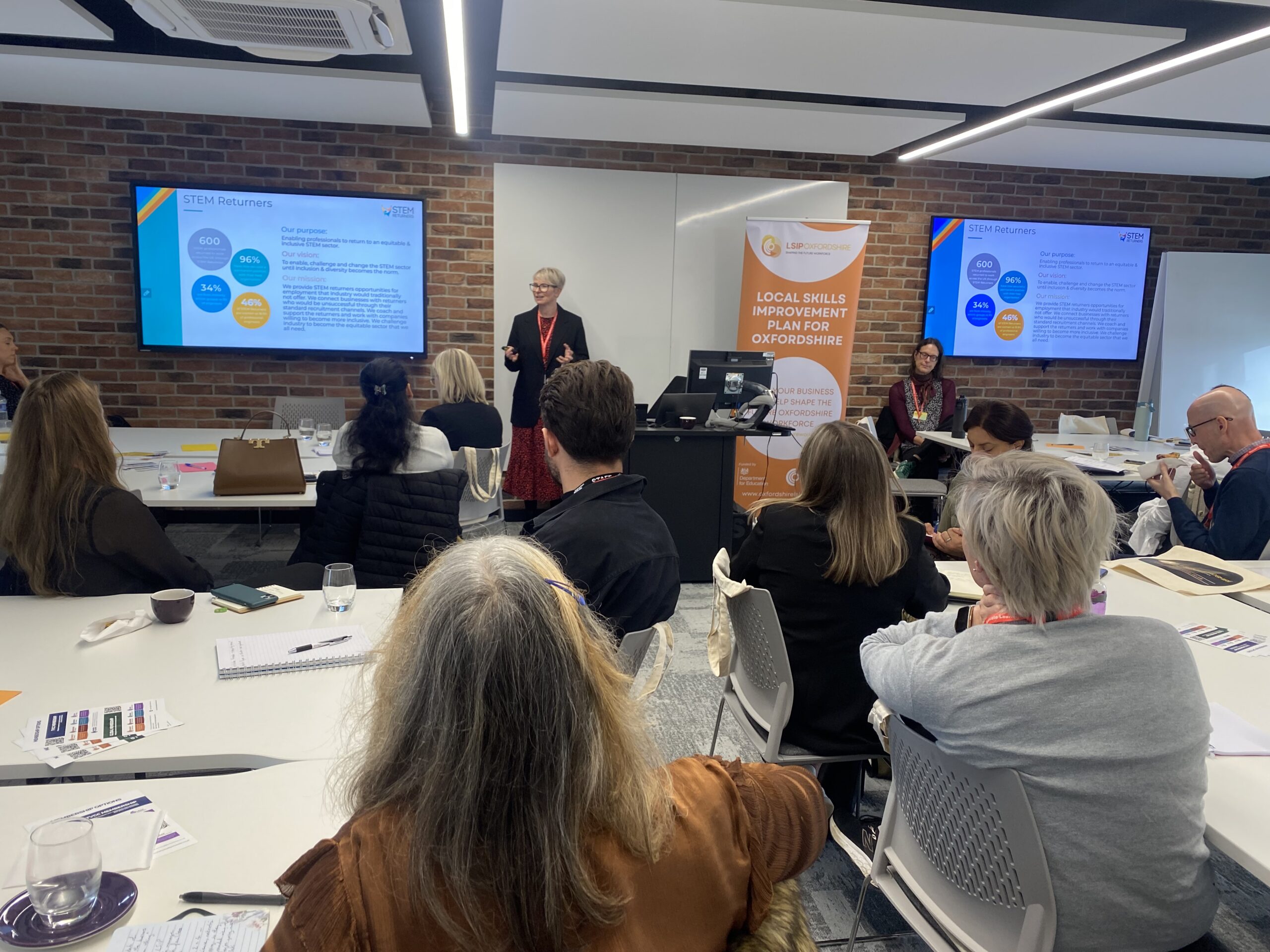
Anouska Carling from STEM Returners outlined how the programme supports professionals returning to STEM careers after a break, connecting them with employers through mentoring, coaching, skills-based CV support, and paid placements. UKAEA’s experience demonstrated that returner placements are cost-effective, address recruitment gaps, and foster inclusion, while offering rapid placement options and reducing organisational barriers.

Simon Barrable from the Thames Valley Chamber provided an update on LSIP progress, noting that nearly 3,000 employers have contributed to engagement activities, with 45 new courses developed through LSIF funding, benefiting more than 1,400 participants and enabling access to new facilities for over 2,100 learners. Looking ahead, LSIP 2.0 will focus on sector growth opportunities, alignment with industrial strategy, Net Zero ambitions, and improving equality of opportunity. Key workforce priorities include collaboration between employers and educators, embedding vocational and essential skills, talent retention, and preparing for hybrid working and emerging technologies.

The meeting concluded with three agreed actions: strengthening school outreach programmes using Connectr research, Careers Hub resources, and Skills Builder materials; considering career break returners when addressing skills gaps, in collaboration with STEM Returners; and expanding the use of skills frameworks, such as Skills Builder, to meet essential skills needs across the sector. Participants collectively recognised that early engagement, cross-sector collaboration, and inclusive recruitment strategies are essential to meeting future skills demands and ensuring long-term workforce sustainability in the science and manufacturing sectors.

Haulage and Logistics Workforce Development Partnership

At the recent Haulage and Logistics Workforce Development Partnership meeting, on June 12th, stakeholders from education, training, and industry came together to align on next steps for addressing regional skills gaps and improving sector visibility. The session was opened by acknowledging the group’s evolving role in connecting employers, providers, and strategic bodies such as the Department for Work and Pensions. Held online to accommodate wider attendance, the meeting set the stage for ongoing collaboration and a hybrid approach to future gatherings.

A key development discussed was the forthcoming launch of the Haulage and Logistics Pathway at Activate Learning’s Banbury & Bicester Campus in the 2025–26 academic year. The new Level 1 programme, with a Level 2 version to follow, will focus on logistics, warehousing, supply chain, transport, and digital skills. It aims to respond directly to employer demand and offer structured progression into apprenticeships and employment. The pathway is planned to expand across seven campuses by 2026–27, with wide regional interest. There was broad support for holding a future face-to-face WDP meeting at Banbury College in the autumn to coincide with the start of the programme, bringing students and employers together to showcase opportunities and raise awareness.

Employers and training providers reflected positively on recent engagement efforts, particularly a careers fair that drew over 250 students and 40 employers. Attendees agreed to share the Vox Pop video and student feedback with participating employers and to track post-event student-employer engagement to assess impact. The success of similar campaigns, including the John Lewis Partnership’s apprenticeship recruitment drive, was noted—with social media outreach cited as a key driver of applicant interest. Colleges reported positive trends in enrolments, especially in motor vehicle and HGV programmes, and reaffirmed the need for stronger employer links to ease transitions into work.

Participants also stressed the importance of starting career awareness earlier, particularly among 14–16-year-olds. Activate Learning committed to targeting this group, especially those at risk of disengagement, through pre-16 provision and stronger promotion of vocational routes. There was discussion about improving coordination between pre-16 and post-16 provision and ensuring that careers teams across colleges attend sector-specific events to better advise students. Attendees discussed the possibility of coordinating a calendar of careers activities for the 2025–26 academic year.

Broader inclusion was another theme, with calls to engage more colleges across the Thames Valley and to better integrate ESOL learners into logistics pipelines. Many ESOL students arrive with qualifications and experience from other countries, and with the right language and employment support, they could fill critical entry-level roles. The group also noted the value of involving students from vocational courses like plumbing, electrical, and hospitality, given the transferable skills relevant to logistics careers.

There was a shared view that careers in logistics are often misunderstood or overlooked by young people. The Generation Logistics campaign was highlighted as a useful national initiative to demystify the sector and engage new audiences. While concerns were raised about future national prioritisation of sectors like Creative Arts over logistics, it was confirmed that LSIP funding remains in place through March 2026, with regional needs continuing to guide strategy. Planning for LSIP 2.0 (2026–29) will begin in autumn 2025, and logistics is expected to remain a core focus locally.

The meeting closed with a strong consensus on the importance of sustained collaboration between employers, education providers, and strategic partners. With momentum building around the Banbury pathway and greater clarity on actions moving forward, the WDP is set to play a key role in shaping a more visible, inclusive, and responsive talent pipeline for the logistics sector.

Manufacturing Workforce Development Partnership

The Manufacturing Workforce Development Partnership met on 22nd May with a strong sense of collaboration, as attendees came together to share insights, identify gaps, and build on the themes from the previous session. The focus remained on strengthening the regional manufacturing talent pipeline across Oxfordshire and Berkshire, with a recognition that many challenges—such as limited understanding of training pathways, gaps in employer-education engagement, and difficulties reaching mid-career workers and NEET groups—are shared across sectors.

Participants received updates on several resources designed to help employers navigate workforce challenges. These included the upcoming Oxfordshire Apprenticeship Employer Webinar Series, a soon-to-be-released Employer Guide to Apprenticeships, and digital tools like the Skills Comparator and Power Electronics Skills Tool. The Skills Builder framework was also introduced as a way to articulate and develop essential transferable skills.

An update from the LSIP and Chamber teams highlighted recent progress, including the launch of new apprenticeship standards, the development of targeted short courses, and ongoing work to create a comprehensive training provision map. The group heard that, while Oxfordshire performs well in terms of overall qualification levels, there are persistent issues with low achievement at Key Stage 4 and among 16–18-year-olds, alongside weak apprenticeship uptake and qualification mismatches. Nationally, skill misalignment remains a concern, with a significant proportion of graduates under- or over-qualified for their roles. The scale of the engineering shortfall—estimated at 59,000 annually—underscored the urgency for early and meaningful engagement.

In that spirit, the group was introduced to a new STEM engagement research project being launched in June by Connectr and UKAEA. The initiative aims to map and improve STEM outreach across the 4–18 age range, culminating in a strategic report later this year. Attendees were encouraged to get involved through surveys, interviews, or roundtables to help shape the findings.

One of the themes for discussion centred around the challenge of aligning training with real-world needs—especially in engineering, where courses don’t always reflect the hands-on or interpersonal skills employers are after. Many participants agreed that more early engagement, mentoring, and practical learning opportunities are needed. Some employers are already partnering closely with colleges or LSIPs, while others are still figuring out where to start. The need for a more consistent approach across the board was clear.

Huduma shared their innovative approach to embedding real-world projects in education, emphasising how this, along with structured mentoring and integration of the Skills Builder framework, can improve learner outcomes. The importance of essential skills came up again and AWE shared that they have identified 32 rare or scarce skill areas—10 of them considered high priority across sectors. The conversation reinforced how skills like confidence, communication, and problem-solving are often just as important as technical capabilities. However, small employers may need more structured support to effectively host apprentices, and young people entering the workforce may need pastoral care and mentoring to build confidence and resilience.

As the meeting drew to a close, there was broad support for the development of tools like a Skills Passport, better training for employers, and more shared language around skills to bridge communication gaps. Attendees agreed that today’s essential skills will continue to matter in tomorrow’s workforce and committed to aligning efforts to ensure both young people and businesses are better supported going forward.

Construction Workforce Development Partnership

At the most recent Construction Workforce Development Partnership meeting on the 8th May, attendees focused on several key strategies to address the sector’s evolving challenges and opportunities across the Thames Valley. Participants discussed the growing urgency to strengthen the regional construction skills pipeline and to respond more effectively to workforce pressures intensified by industry fragmentation, an ageing workforce, and economic uncertainty.

Abingdon & Witney College opened the session with a presentation on their Net Zero Hub and the current training provision, setting the stage for broader conversations on the changing nature of skills demand. An update from the Chamber followed, outlining recent developments in the Local Skills Improvement Plan (LSIP) and national initiatives. This led to a broader discussion on recruitment difficulties, the disconnect between training and employment outcomes, and the barriers employers face in engaging with young learners and schools.

The group identified a lack of career education in schools and a general misunderstanding of what construction careers involve as major blockers. This is compounded by the reduction in internal career progression routes due to the rise of subcontractor models. Attendees proposed that contractors, in collaboration with their supply chains and training providers, consider piloting regional training academies to provide clearer pathways and practical experience.

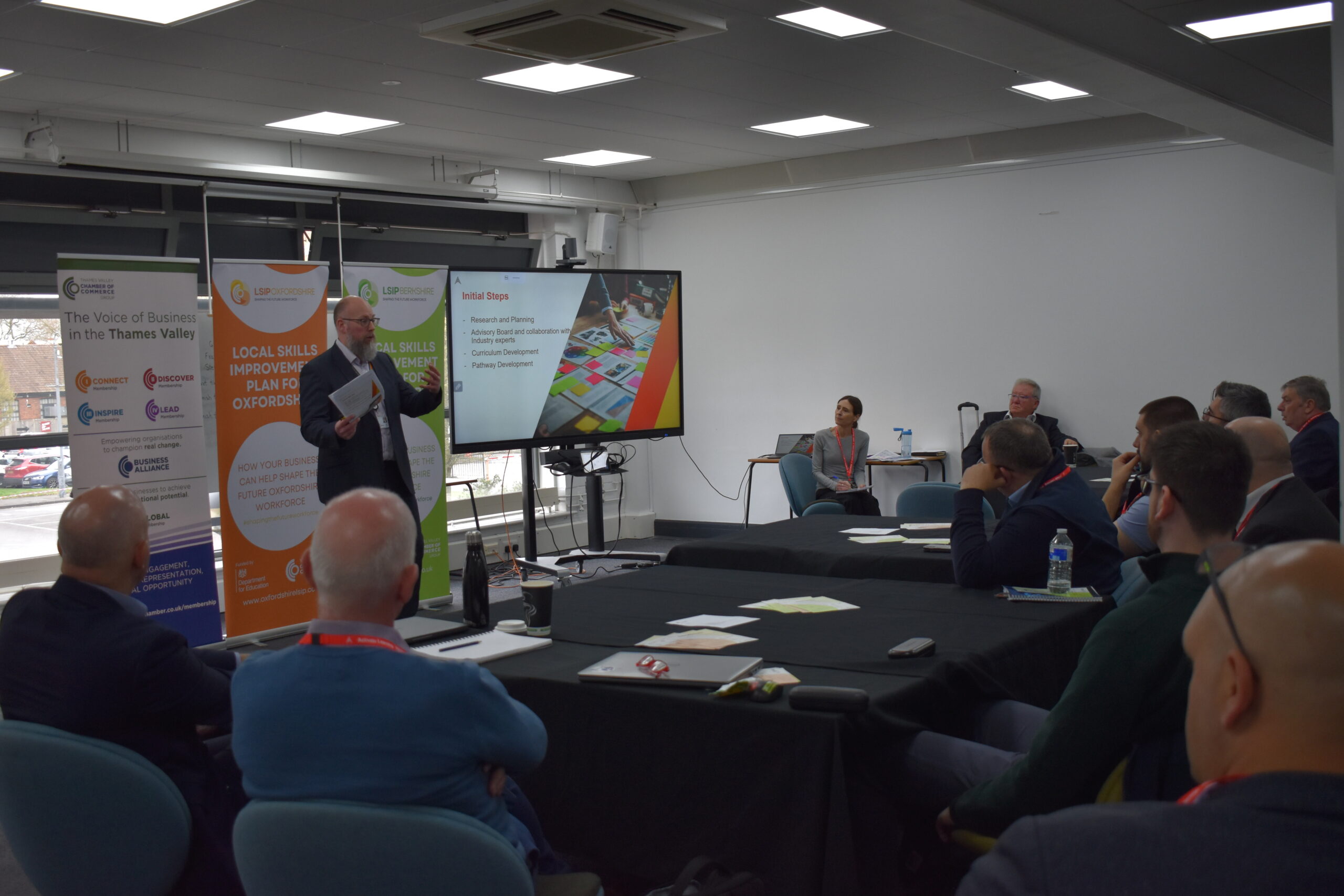
There was also strong interest in exploring the use of a DWP audit to identify former construction workers who might transition into training roles, especially those no longer suited to on-site work. Additionally, the possibility of forming a Thames Valley-based consortium to pursue a bid for a Technical Excellence College designation was raised, alongside the idea of pursuing a bid to the CITB Industry Impact Fund for trainer and assessor development—an area identified as underexplored but critical.

On employer engagement, attendees called for better support in offering T Level placements and other experiential learning opportunities, citing challenges like insurance constraints and safeguarding concerns. It was agreed that developing and sharing success stories, particularly from Skills Bootcamps, could boost confidence and demonstrate the tangible value of these pathways. Several participants also highlighted how high material costs and benefit restrictions are limiting training delivery and uptake, calling for greater funding flexibility and awareness of schemes like Foundation Apprenticeships and the DWP Flexible Support Fund.

The importance of more accessible training models was a recurring theme, with suggestions including evening or weekend sessions and one-day-per-week formats. While there are high enrolments on some construction courses, this has not translated into employment at the expected rate—raising concerns about a disconnect between training provision and employer needs, and confusion created by inconsistent media messaging around skills shortages.

Green skills were another focal point. Employers acknowledge their importance, but demand from clients and the market is still developing. Many learners gain green construction skills without finding related jobs. Short-term funding cycles and tight project timelines further constrain the sector’s ability to plan and invest in new talent or innovation. A longer-term approach to funding and skills planning was seen as essential.

Perceptions of construction careers continue to pose challenges, especially in attracting women and younger students. Greater engagement with schools, paired with locally led employment and training models, was recommended as a way to address both image issues and regional employment gaps. Concerns were also raised about out-of-area contractors bringing in their own labour, which limits the impact of large infrastructure projects on local employment.

Details were shared on the Construction Mission and related government funding streams, including new Technical Excellence Colleges and expanded Skills Bootcamps. The CITB Industry Impact Fund was highlighted as an important opportunity, offering up to £500,000 per project for employer-led solutions in areas like EDI, digital skills, or workforce retention.

The meeting closed with a collective recognition that better alignment between employers, educators, and support services is critical—and that success will depend on more flexible, place-based, and collaborative approaches to training, funding, and engagement.

Hospitality and Visitor Economy Workforce Development Partnership

The 29th April meeting brought together employers, educators, and stakeholders for another lively and constructive session focused on the hospitality sector and broader skills priorities. Employer Champion Shelby King kicked things off with a warm welcome, setting the scene for a productive discussion. A quick refresher on the Chamber of Commerce’s services followed, reminding attendees of the wide-ranging support on offer, from networking and training to international trade and business representation.

The meeting moved into updates on national policy, touching on key areas like economic growth, skills funding, and devolution. Highlights included the Devolution and Industrial Strategy White Papers, which both signal a shift toward giving local authorities more control over areas like jobs, housing, and skills development. The group also heard about the growing role of Skills England in shaping qualifications and training pathways to better meet real-world workforce needs. With new qualifications and stronger partnerships on the horizon from 2025, there’s a clear focus on making training more responsive to employers across all regions.

Sandra Kelly from UKHospitality then took the floor with a timely overview of developments in the hospitality sector. She acknowledged the ongoing pressures the industry has faced, from Brexit and COVID to staffing shortages, and made a strong case for repositioning hospitality as a sector full of opportunity, particularly for young people and those not currently in education or work. Stronger connections with education providers, the DWP, and local communities were highlighted as essential for building a sustainable pipeline of talent.

One of the key initiatives discussed was the development of a ‘hospitality passport’, a simple, sector-wide entry standard designed to help jobseekers and employers alike. This can be delivered through college courses or the DWP’s SWAPs programme, and is already being piloted across several regions. Early results are promising, but success depends on more employers coming on board. A minimum of 10 is needed in each region to really get things off the ground.

The SWAPs programme itself was also spotlighted, a six-week journey that includes training, work experience, and real-world interview opportunities. Designed to boost confidence and skills, it’s a great way for employers to connect with motivated candidates while supporting their development.

Finally, attention turned to the Hospitality Connect programme, which has already been making waves by linking up schools and hotels for regular activities, visits, and joint projects. Attendees were encouraged to consider replicating the model locally, with just a few committed schools and employers needed to start. A lead hotel would help coordinate efforts, and an induction day is already scheduled for 12th May.

As the meeting wrapped up, the message was clear: collaboration is key. From promoting the value of hospitality careers to building flexible training pathways, everyone has a role to play. Next steps include pushing forward with both the SWAPs and Hospitality Connect programmes, continuing discussions on sustainability at the next session, and making sure the right connections are made between employers, education, and government.

Further meeting details will be shared soon.

Haulage and Logistics Workforce Development Partnership

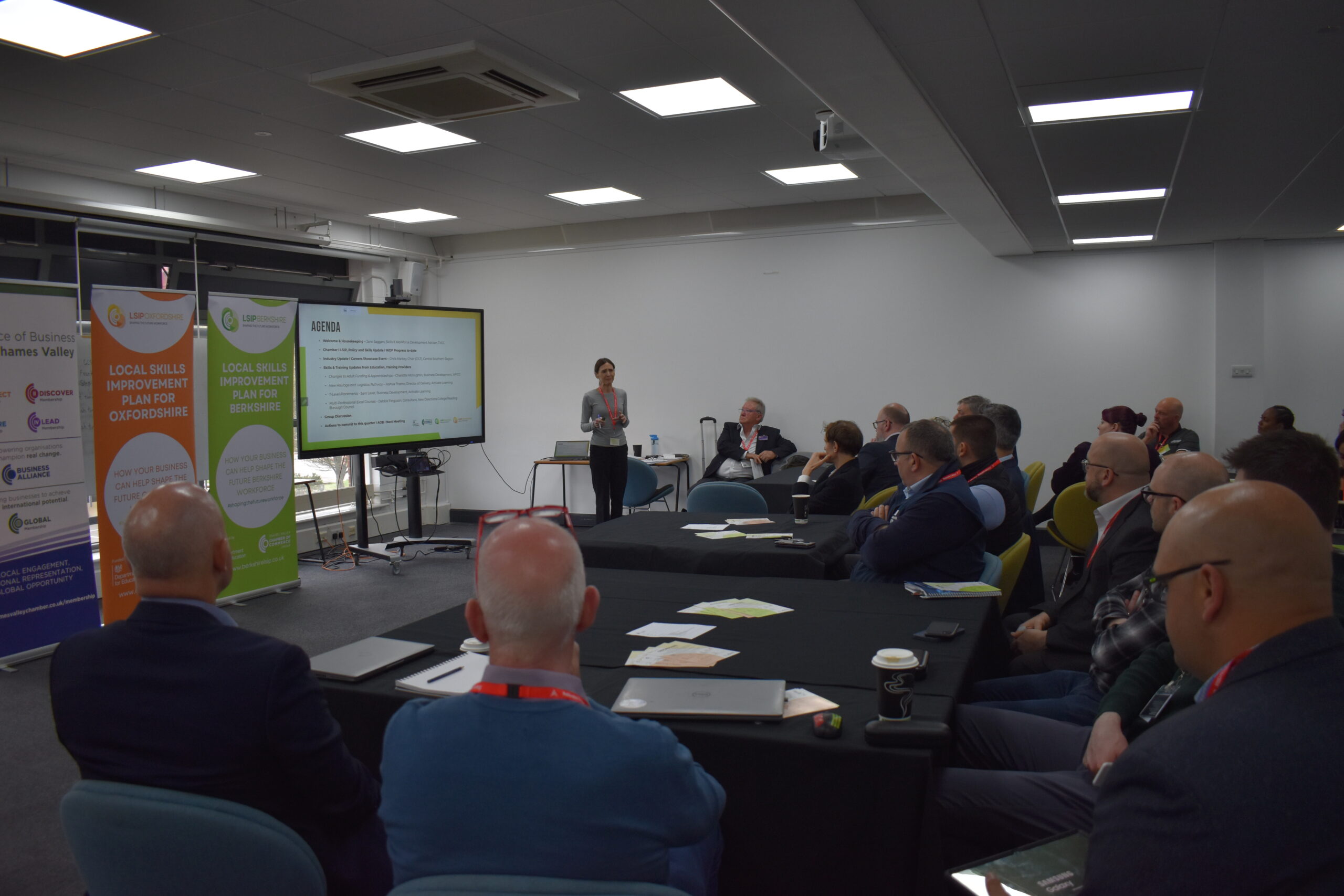
We had a packed and productive meeting on 27th March, where the logistics and transport sector once again took centre stage. The meeting started by sharing the broad support available for local businesses – from international trade and training to networking and raising company profiles – from Thames Valley Chamber of Commerce membership. It set the tone nicely for a day full of updates, insights and forward planning.

There was a thorough update on the Local Skills Improvement Plan (LSIP), and we heard how Labour’s priorities are shaping the skills landscape, particularly around economic growth, devolution, and industrial innovation. The role of LSIPs will continue to grow, through collaboration between employer bodies and strategic authorities, and with funding secured through to 2027. The message was clear – skills development is front and centre in regional and national strategy.

We also looked at how far we’ve come as a Workforce Development Partnership. Since the initial LSIP consultation, we’ve seen strong employer engagement and real traction on tackling skills gaps. Previous discussions around recruitment challenges have led to targeted work, such as Banbury College’s new haulage and logistics pathway, which will launch in 2025, and Skills Bootcamps that are in the pipeline for Oxfordshire.
A real highlight was the update on the Logistics & Haulage Careers Showcase event, which happened the same day at Reading College. It was designed to give learners – including adults and SEND students – a real-world glimpse into the opportunities the sector can offer. It’s all part of a broader push to get more people excited about careers in transport.

Chris Markey from CILT gave a compelling presentation on the future of the transport sector – chronic driver shortages, the rapid pace of technological change, and the need for upskilling across the board. With the sector employing 2.5 million people and facing a potential shortfall of up to 600,000 by 2030, there’s a real need to prepare the workforce not just for today, but for what’s coming next – from electric vehicles to AI-powered logistics.

In group discussions, employers echoed the need for more practical skills in the classroom – things like confidence, communication, teamwork, and leadership. There’s a big appetite for greater collaboration between education and industry, and a recognition that hidden skills like contract management and risk awareness are just as vital as technical know-how. Warehousing also came up, with skills like inventory control and dispatching flagged as key areas.

Joshua Thorne from Activate Learning gave us the inside track on Banbury and Bicester Colleges’ plans for a dedicated Haulage & Logistics curriculum – “Moving the World.” Starting in 2025, the course aims to create a clearer route into the industry, and while there are challenges ahead (like recruiting staff and aligning with employer needs), there’s strong momentum behind it.
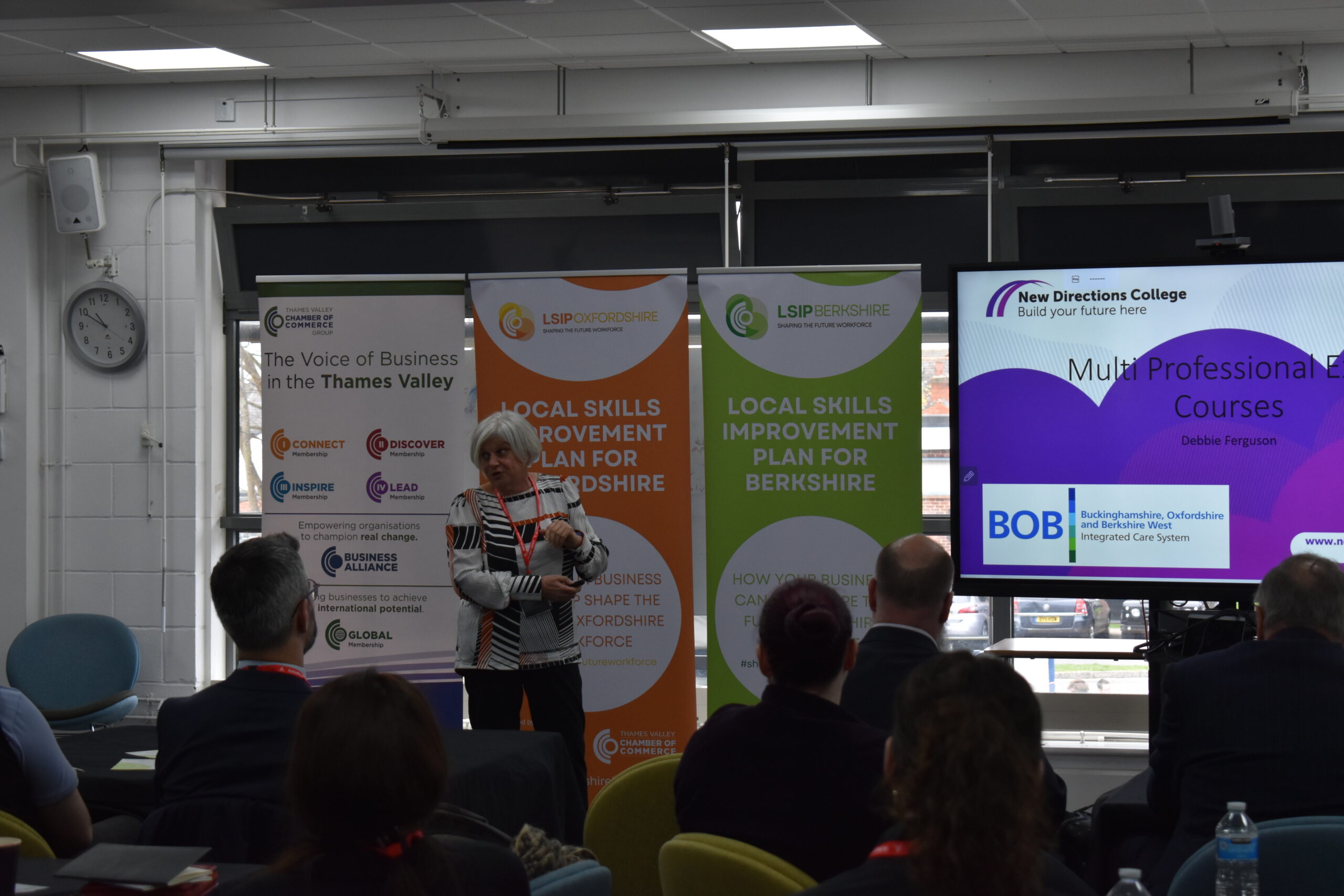
We ended on a practical note with an overview of multi-professional Excel courses – currently used in the NHS – that could be adapted for the logistics sector. The idea is to tailor training to real workplace needs, whether that’s basic spreadsheet skills or advanced data analysis. A pilot’s being explored for later this year, with a full rollout in September 2025.

As ever, the session wrapped up with a reminder of how important employer involvement is – both in shaping training and supporting future meetings. Everyone was invited to get involved, share expertise, and join forces to help build a skilled, resilient workforce for the future.

Back To Top