
The 29th April meeting brought together employers, educators, and stakeholders for another lively and constructive…

Hospitality and Visitor Economy Workforce Development Partnership
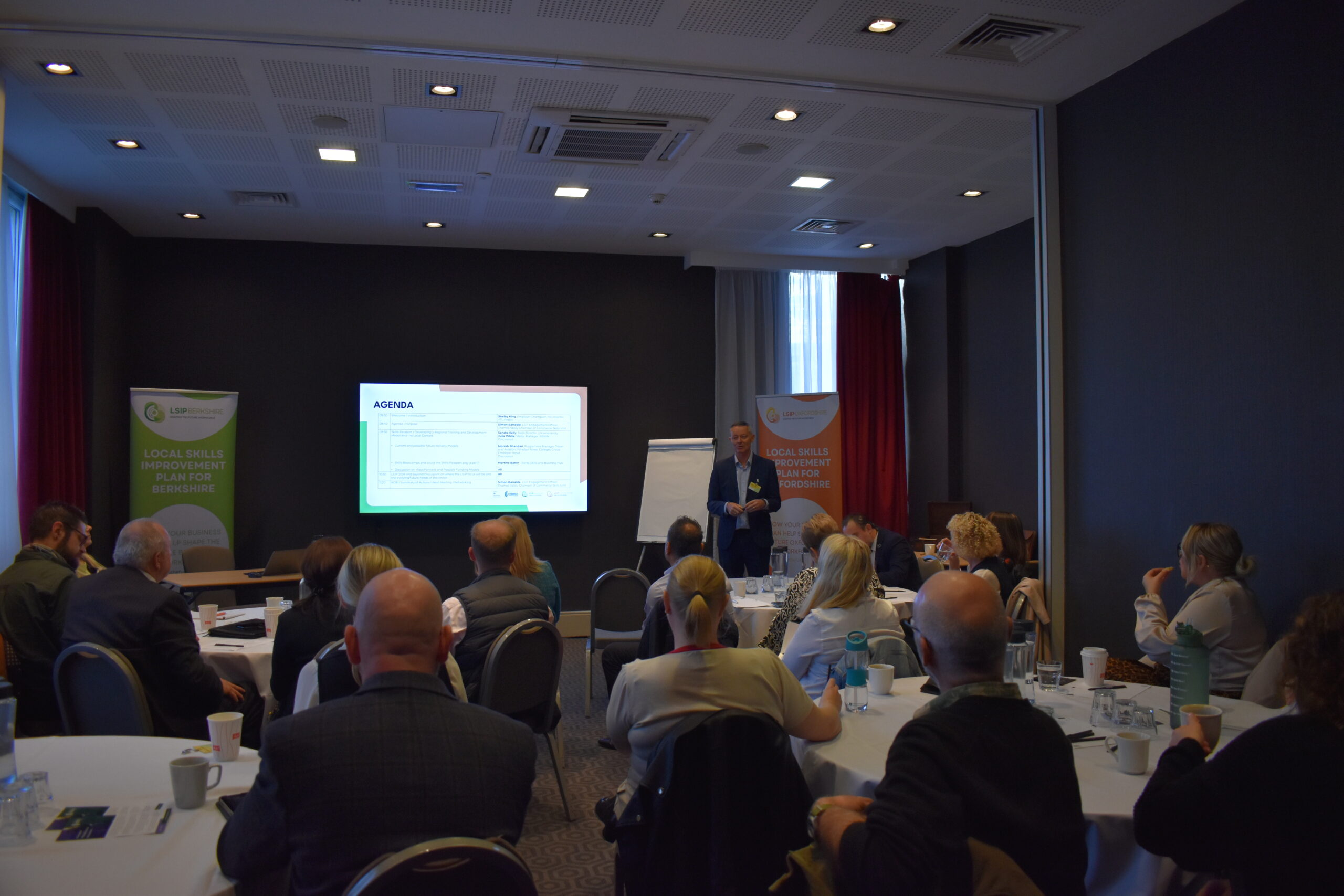
At the Hospitality and Visitor Economy Workforce Development Partnership meeting held on 30 September 2025, attendees discussed strategies to strengthen employer engagement, address recruitment and perception challenges in the sector, and expand opportunities for skills development and progression. The purpose of Local Skills Improvement Plans (LSIPs) was reaffirmed, emphasising their role in creating employer-focused solutions, developing strong partnerships between businesses and training providers, and co-designing strategies to meet local workforce needs through the ongoing work of Workforce Development Partnerships (WDPs).
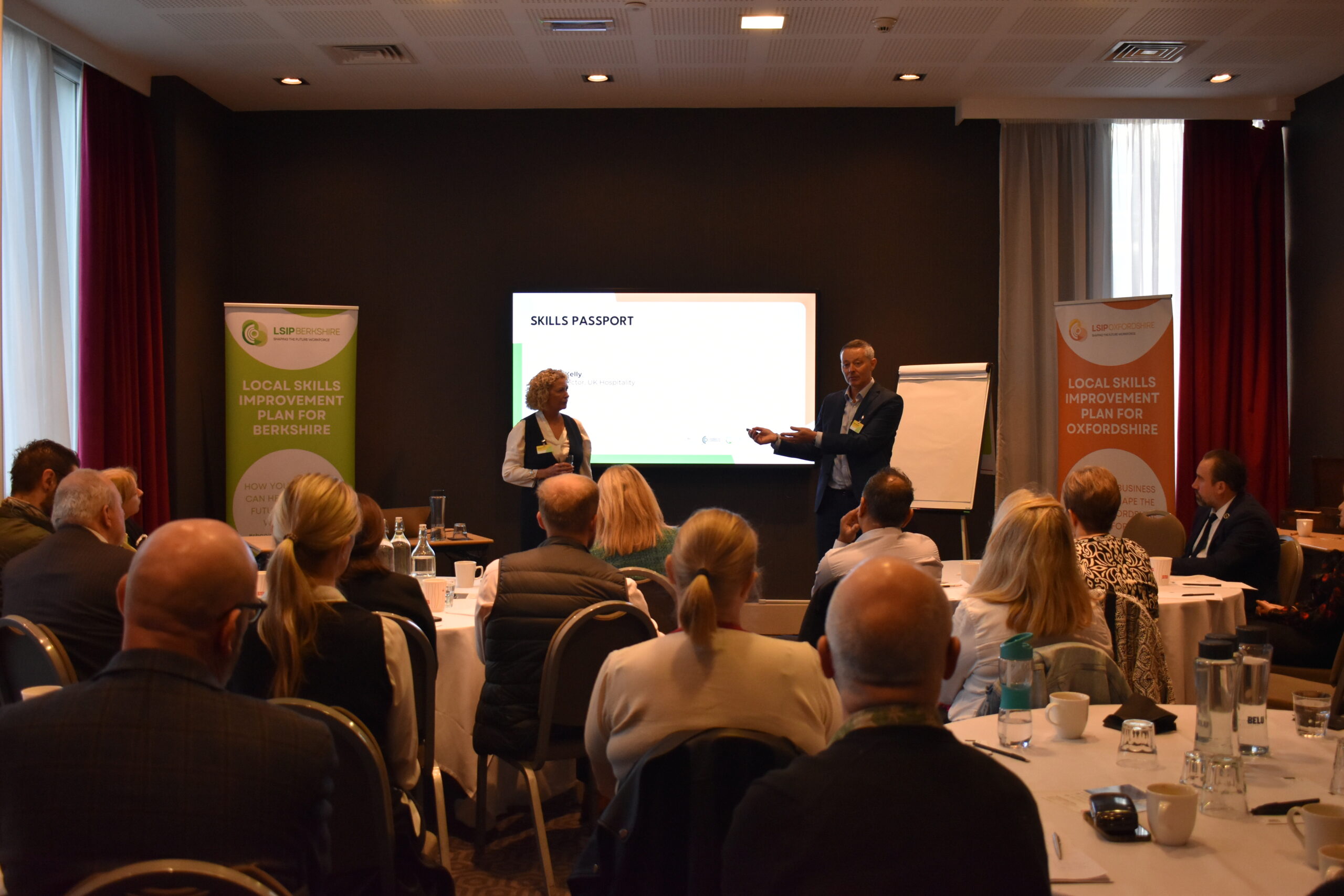
An update was provided on the Skills Passport initiative, which functions like a digital CV, recording qualifications and achievements that can be shared via a QR code. Rolled out nationally from April following an 18-month pilot, the programme is now live across 26 regions, including London, Kent, Suffolk, and Norfolk. It sets a universal entry standard based on six essential skills, ensuring consistency across hospitality and catering colleges. With 50 centres approved, the Skills Passport allows employers to track learners’ skills over a four-week period, and job centres have been supplied with promotional materials to encourage participation. Park Dean was noted as the first employer to offer apprenticeships linked to the programme. The OCN London model was praised for demonstrating the value of a portable, entry-level industry credential, and discussions explored opportunities to utilise adult skills funding and DWP support to expand access—particularly for 17-year-olds. Attendees agreed that hospitality should be promoted as an aspirational career choice with clear pathways and visible progression opportunities, supported by national initiatives such as graduate apprenticeships and ambassador schemes.
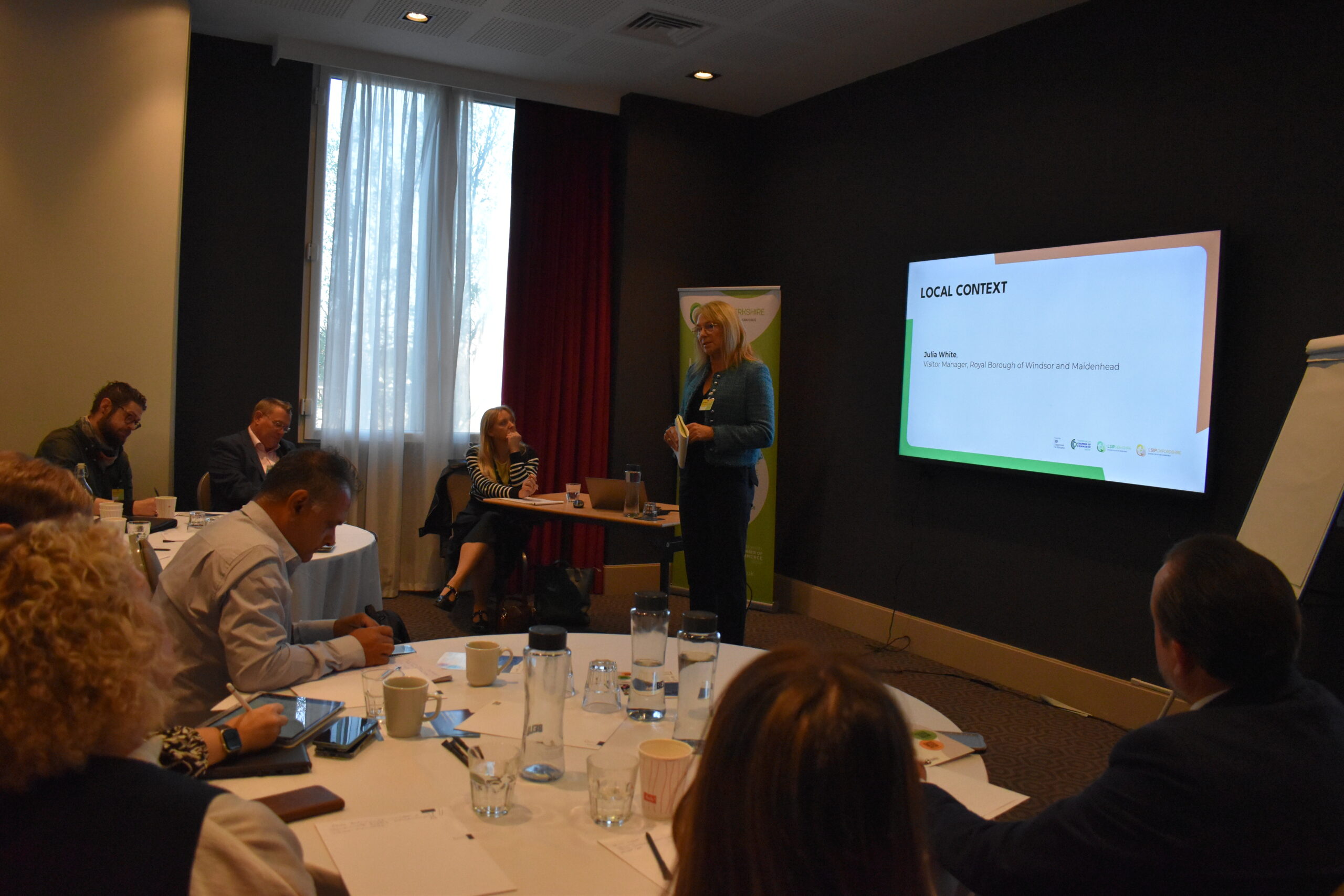
The group heard from the Travel, Tourism and Aviation Department at WFCG, which has more than 70 years of teaching experience and currently supports 150 learners aged 16–18 and adult students. The department has an excellent record of employment outcomes, with 85% of cabin crew students progressing into work. It is seeking to deepen partnerships with employers in Windsor, Heathrow, and surrounding areas to provide skilled candidates, reduce recruitment costs, and facilitate participation in Sector-based Work Academy Programmes (SWAPs). These six-week part-time courses, funded through the Adult Education Budget, include employer interviews and are designed to support local recruitment. Employers were encouraged to participate through guest lectures, mock interviews, workplace visits, and direct engagement with students ready to enter the workforce.
Discussion also focused on the role of Skills Bootcamps as short, employer-led programmes offering flexible training of up to 16 weeks for adults aged 19 and over. Bootcamps are addressing LSIP priority sectors including business, engineering, digital, sustainability, transport, retail, and hospitality, with positive outcomes for learner completions, interviews, and employment placements. Efforts are now being made to expand provision in hospitality and retail to address local skills gaps.
Participants explored ways to integrate the Skills Passport into the 16–18 curriculum, providing alternative funding routes while capturing learners’ achievements and supporting transitions into work. Employer co-investment in tailored Bootcamps and closer collaboration with providers were identified as key enablers for sustainable delivery models.
The meeting concluded with an LSIP update confirming the continuation of LSIPs as a permanent feature of the national skills strategy. To date, 2,943 employers have contributed to engagement activities, with 94,231 wider contacts reached and more than 250 businesses working directly with WDPs. LSIF funding of £5 million has supported 45 new courses and over 3,500 learners, with 116 employers helping to shape curriculum design. Looking ahead, LSIP 2.0 will focus on deepening employer engagement, aligning with local authority growth and Net Zero plans, and promoting equality of opportunity across the workforce. Local Business Improvement Districts (BIDs) were highlighted as valuable partners in data collection and employer engagement, and employers were encouraged to promote LSIP initiatives widely through direct outreach and local networks.
Agreed actions from the meeting included: promoting the Skills Passport to employers and education providers; increasing awareness of SWAPs to support recruitment and reduce advertising costs; exploring integration of Skills Passports into the 16–18 curriculum; continuing to develop Skills Bootcamps in priority sectors, particularly hospitality and retail; maintaining employer engagement through WDPs to inform LSIP 2.0; and promoting hospitality and tourism as aspirational career pathways through collaboration with local Careers Hubs.
Related Posts


