



Care Workforce Development Partnership
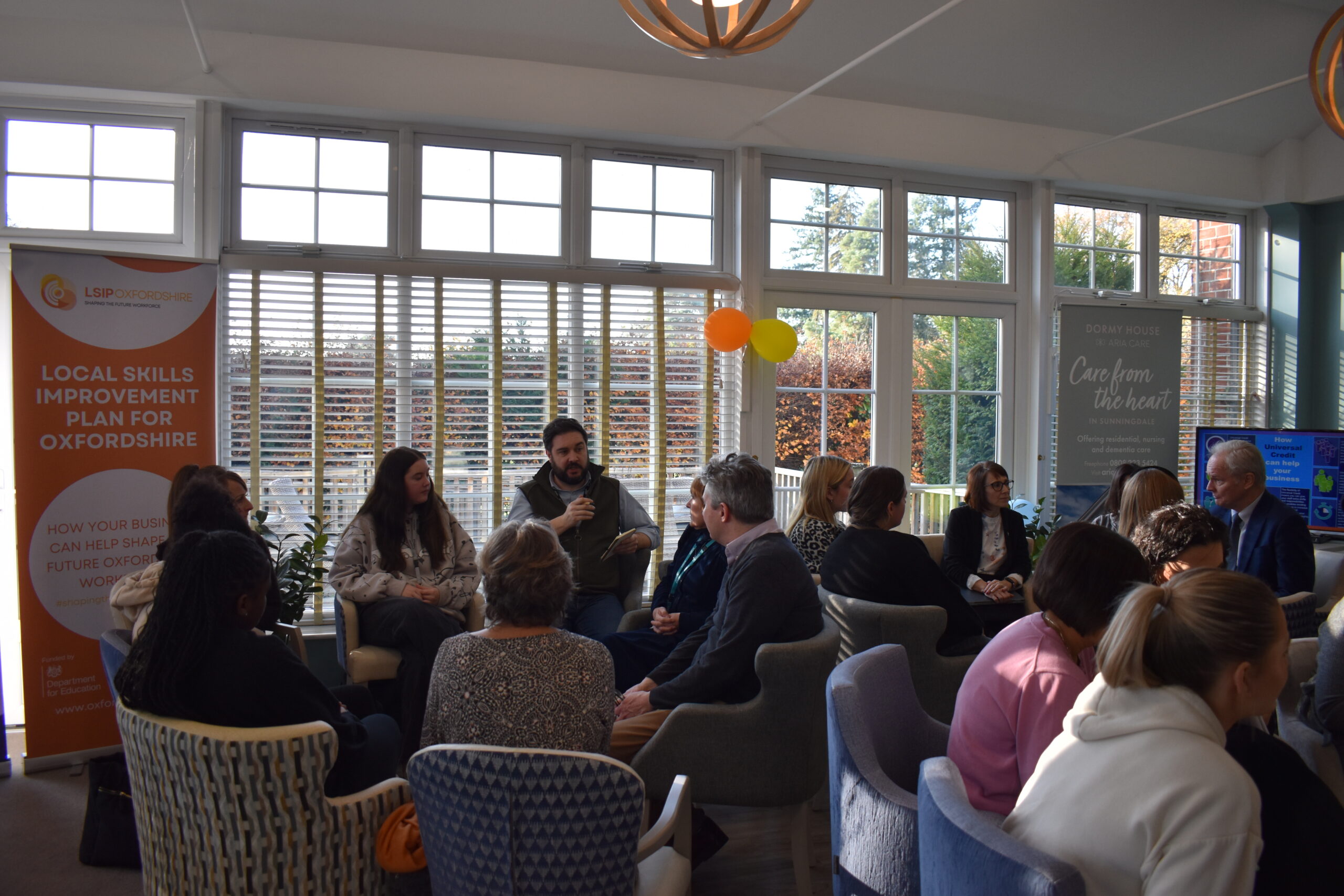
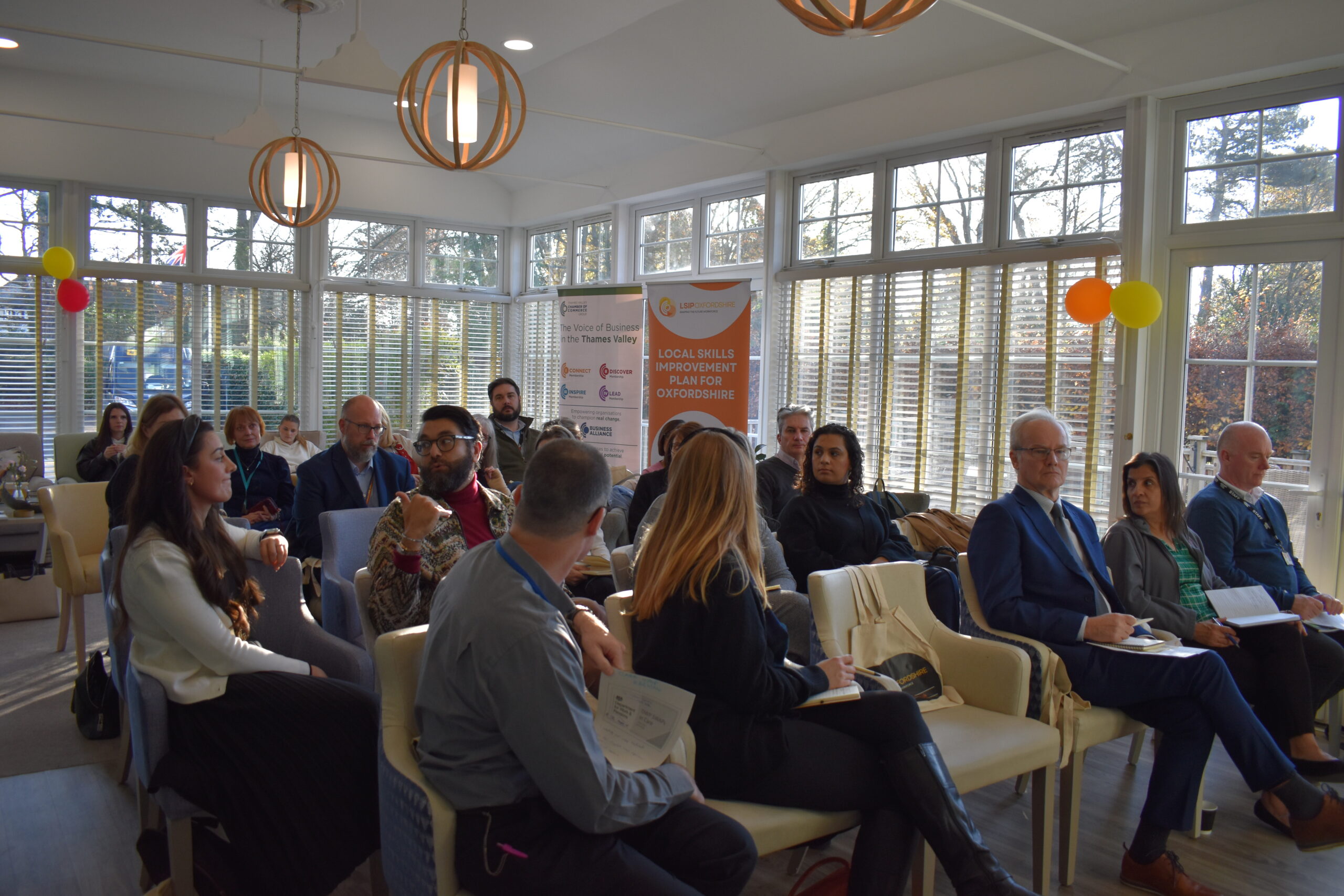
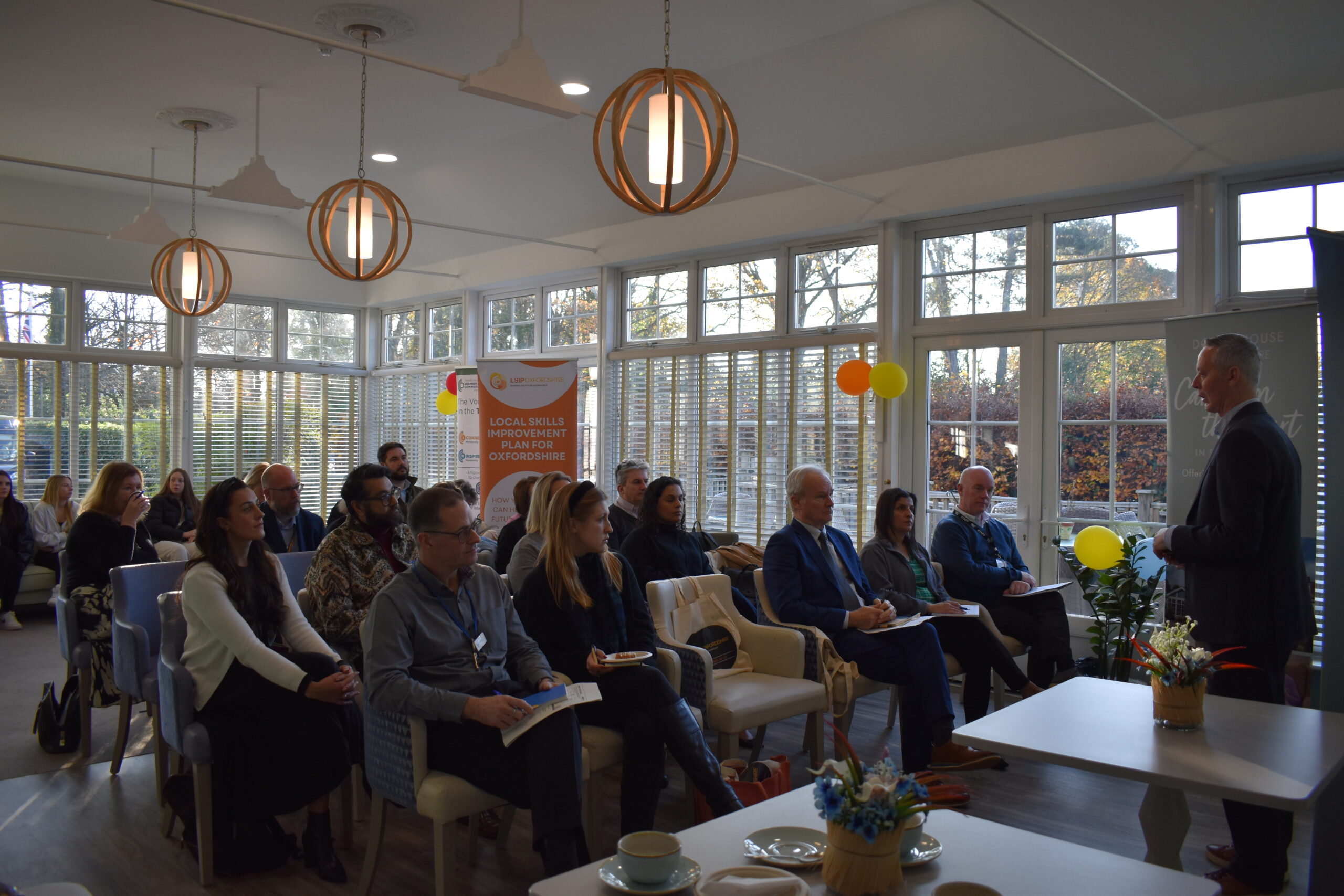
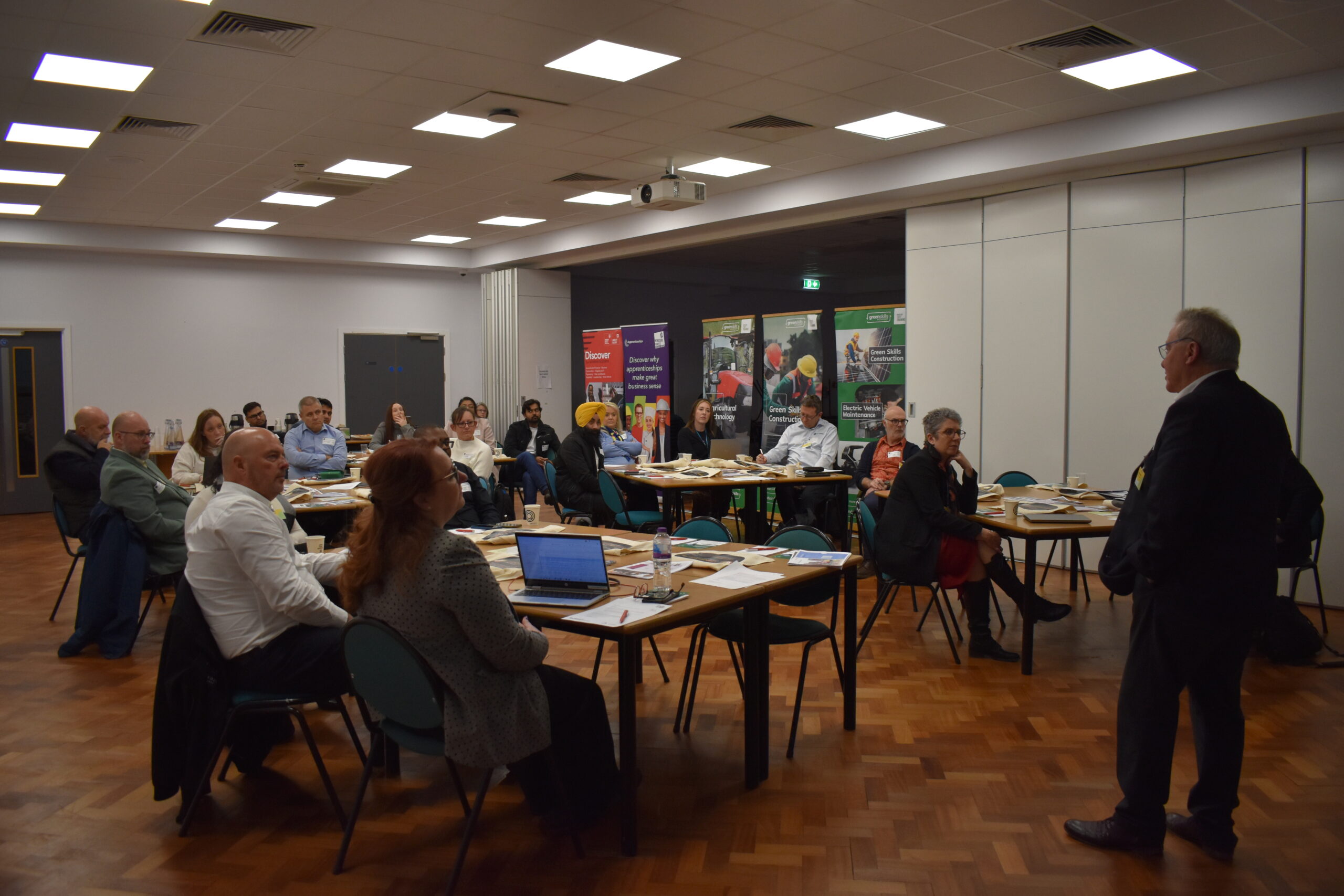
The Care Workforce Development Partnership had its third meeting on November 26th at The Dormy Care Home, Sunningdale. Dormy is part of the Aria Care Group and this was the first time that we’ve held a meeting at an employer’s premises. This was a deliberate decision to help with one of our key aims – building ever stronger links between local care providers and local colleges and independent training providers. To that end we also invited students to the meeting for the first time. We had a range of students attend from Windsor Forest Colleges Group, Activate Learning and The Henley College.
The student presence at the meeting was a great success. They were able to start with a tour of the home and then spent time with department heads learning more about the range of roles which exist within a care home setting. They then joined the main meeting for our roundtable discussion on the skills needs of the sector, its recruitment challenges and what more we can do to meet these. The student input into these discussions was a real revelation and reinforced the importance of increasing their understanding of opportunities in Adult Social Care. Several said that these opportunities were often less clear to them than those in the health service. They spoke eloquently about the fact that there was less information about the care sector in the media, some negative perceptions of it and a lack of visible role models. Several said they would now look more closely at opportunities in the sector after this event.
The rest of the meeting saw a range of employers, colleges, training providers and sector bodies hear the latest updates on sector developments from Rachel Reid (Skills for Care). We also heard about the success of the National Care Careers Event run by the Hallmark Foundation and their Head of Programmes and Partnerships, Roxy Potts. The Sector-based Work Academy Programmes (SWAPs) model was outlined by James Gilpin from the Department for Work and Pensions. This enables employers to take advantage of flexible, funded six-week placements of adults seeking work through the DWP and Job Centre Plus.
A range of actions will now be taken forward by the group These will include examining the possibility of a regional care careers event and expansion of the SWAPs model take up in the region. As well as the recruitment of local workforce strategy champions for the sector and further analysis of the numbers of students studying on health and social care programmes in the region.
It was also decided that the next meeting should again be run in a care setting. It will take place at The Close Care Home in Oxfordshire, which is run by our Employer Champion, Sanjay Dhrona. We will continue to invite students to the event and use it to keep building links between employers, training providers and their learners.
Haulage & Logistics Workforce Development Partnership
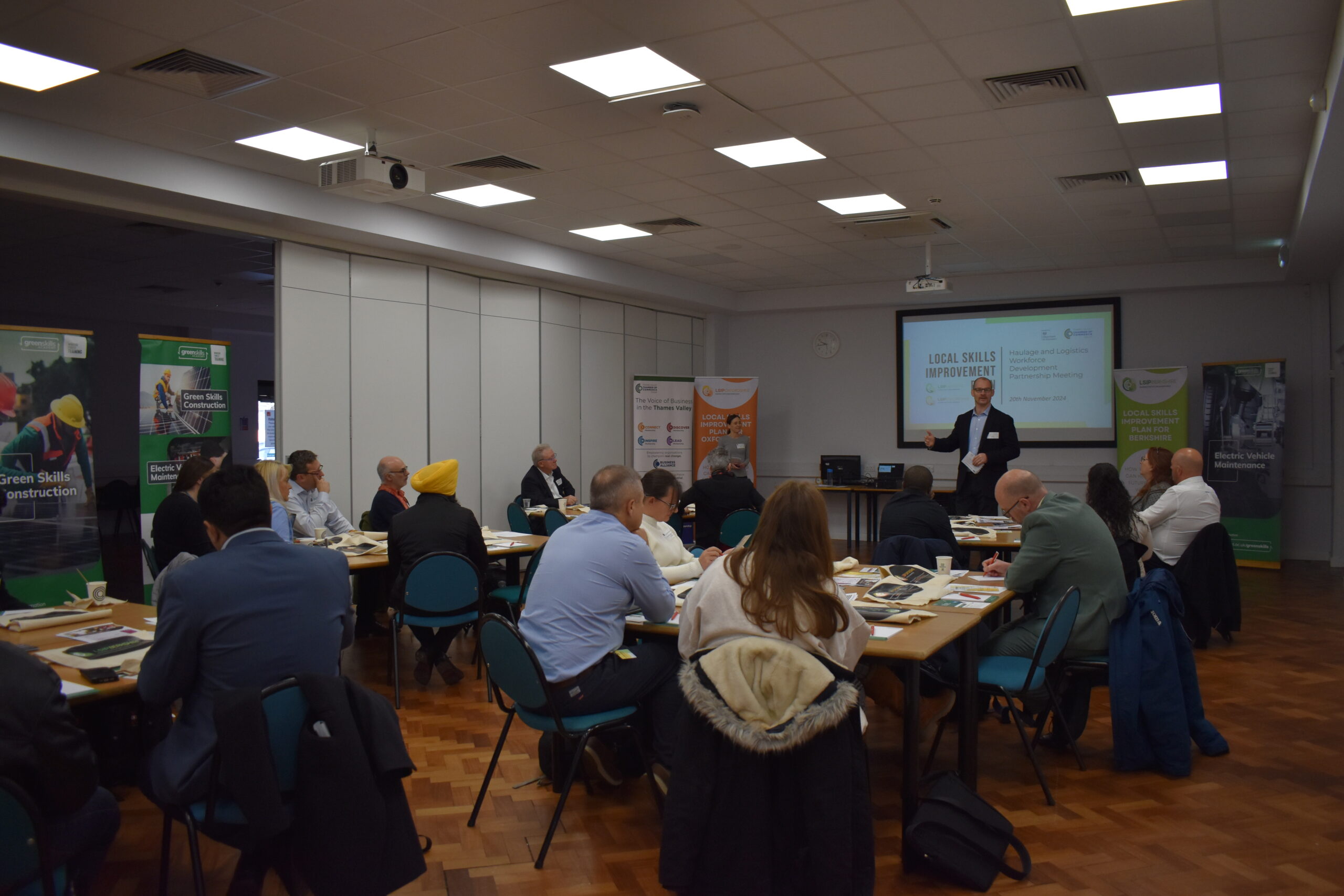
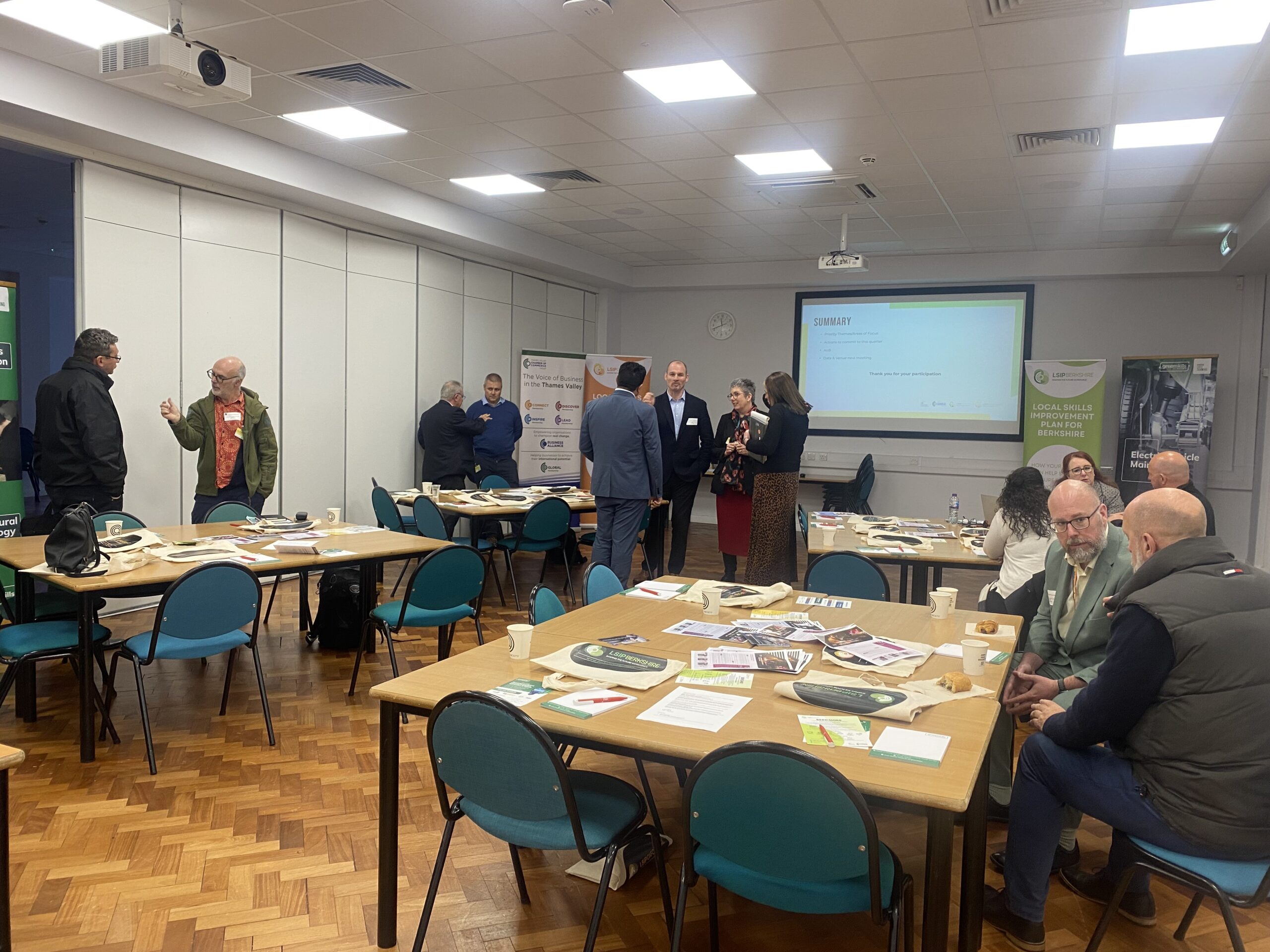
We were delighted to host the 3rd meeting of our Haulage and Logistics Workforce Development Partnership at Langley College, WFCG’s Learner Centre of Excellence for Motor Vehicle training.
A warm welcome and introduction from Paul Britton (CEO) from the Chambers of Commerce highlighted the ongoing skills and recruitment challenges in the Chamber led Quarterly Economic Survey. The critical role of the logistics and shipping sector in maintaining business operations and supporting import trade was emphasized, as was the need to address these issues to ensure the sector remains robust and responsive to market demands.
The focus of the meeting was to build upon the outcome of the group discussion led by Activate Learning identifying the current and future skills and recruitment requirements of employers in the region and how the Partnership can help to meet these.
The agenda included updates on Chamber and LSIP activities, the requirement for an Employer Champion, Training Provision Strategies, and Group Discussions with updates from the colleges and training providers on the skills needs and next steps. Recruitment Trends and Insights and Alternative Workforce Pipeline Opportunities were also shared.
A presentation from the Chartered Institute of Logistics and Transport’s, Chris Markey discussed the logistics sector’s growth, future skills need and emerging technologies such as AI, robotics, and autonomous vehicles. The importance of upskilling workers, particularly in digital literacy and advanced systems, was stressed. A Careers event promoting Logistics as a preferred career choice will be held at Reading College in the Spring, bringing together teachers, students, careers advisers and employer voices together to inspire students and future employees to enter the sector. Recruitment insights from Page Group’s 2024 Talent Trends study were shared, including both National and Supply Chain and Logistics specific insights. Discussions also touched on strategies for helping businesses navigate the shifting labour market and shaping their talent strategies. Inclusion initiatives, such as programs for ex-offenders, were reviewed, with examples of successful partnerships fostering long-term social impact and an option to support talent pipeline shortages.
The meeting concluded with a summary of key actions, including the development of targeted training, improving employer-training provider collaboration, infrastructure for new technologies and promotion of the sector.

Health & Life Sciences Workforce Development Partnership
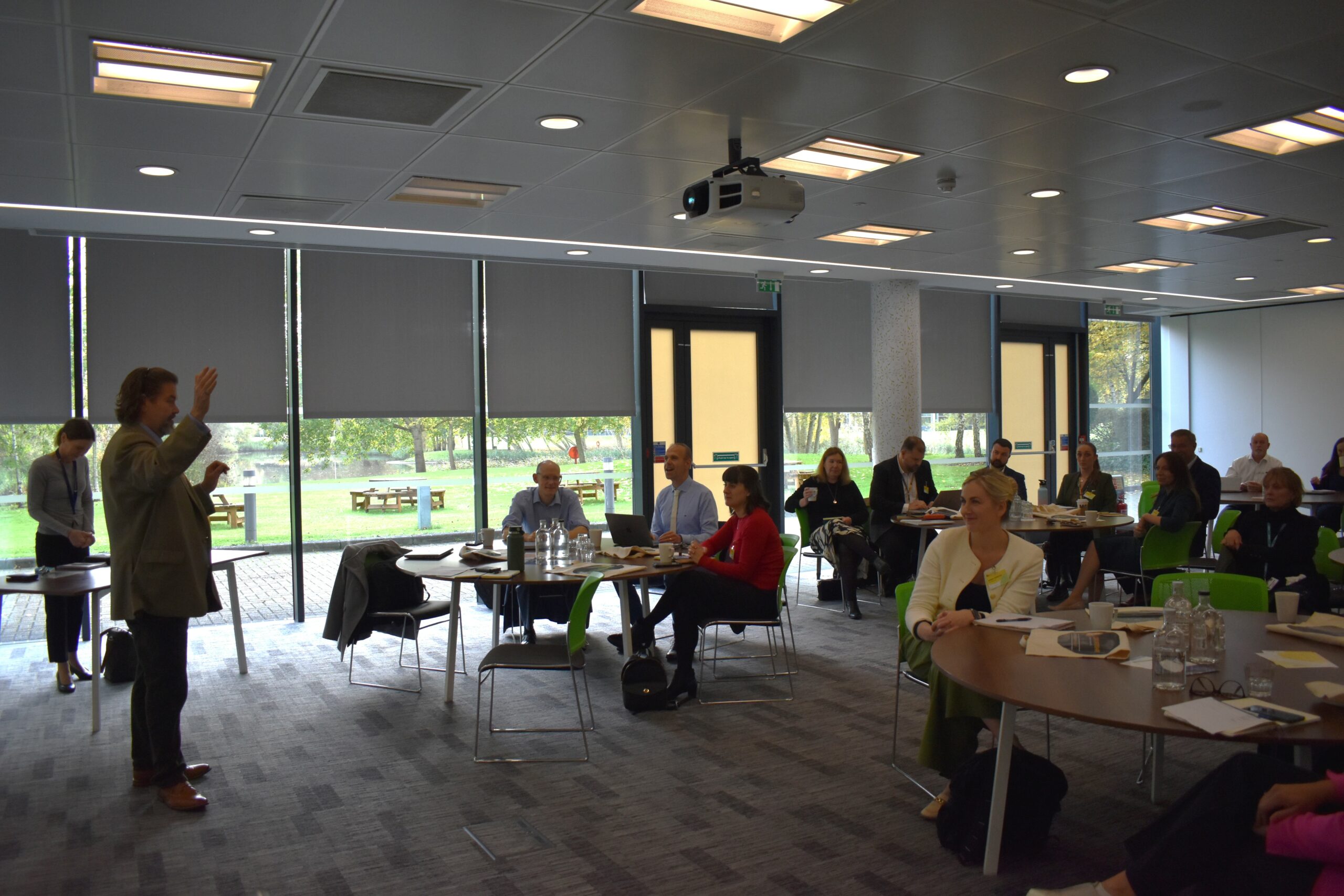
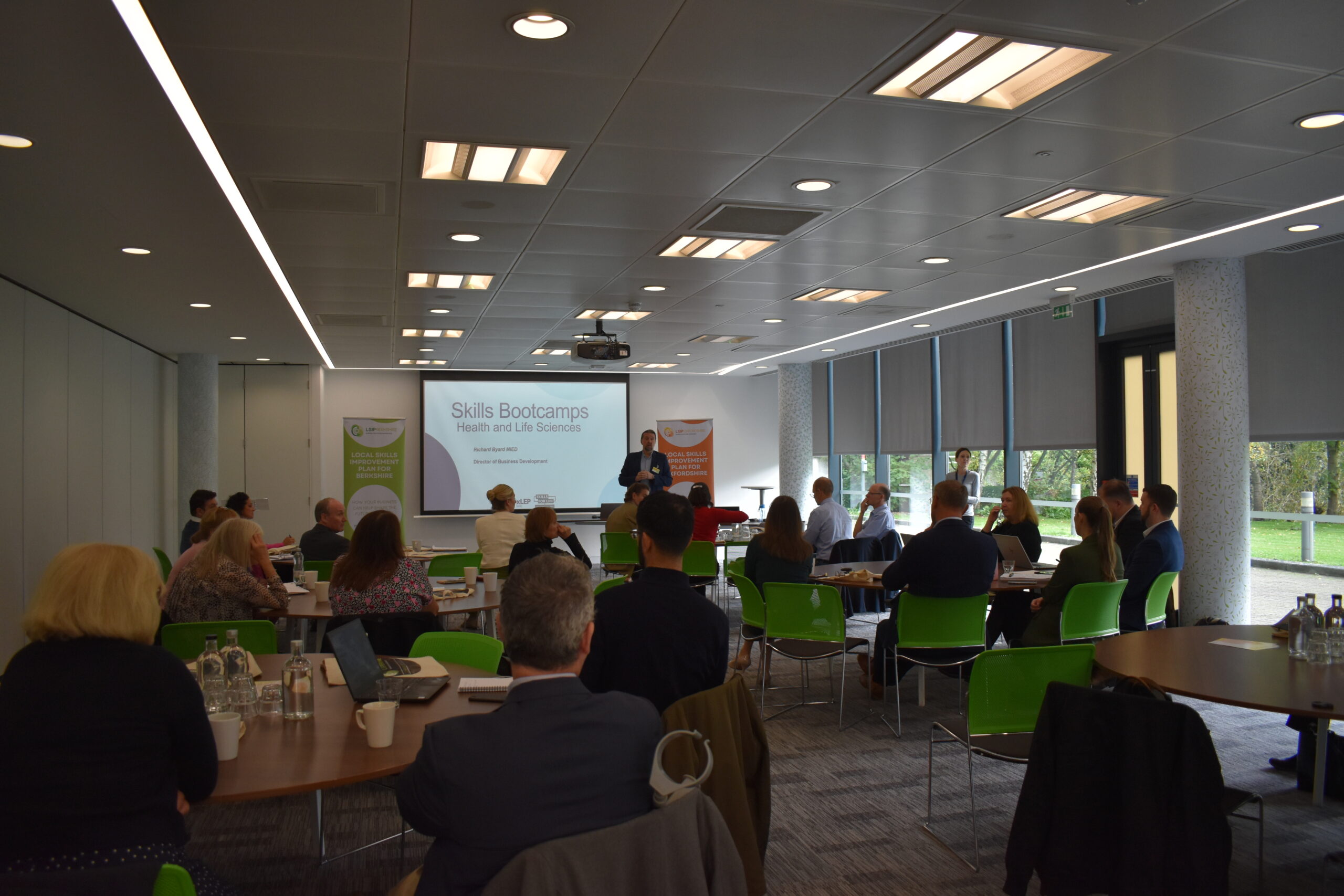
An engaging and well attended 3rd meeting of the Health and Life Sciences Workforce Development Partnership was held at Green Park Conference Centre, Reading on October 23rd.
There was a strong presence from employers, training providers and wider partners to progress the skills agenda for the Health and Life Sciences sector in the region. Aligned with the Chamber of Commerce Health and Life Sciences Working Group, members were invited to stay a light lunch and the Working Group session in the afternoon.
An update on the Local Skills Improvement Plan, Skills England, and impact on the training provision in the region from employer and training provider engagements this year were shared with the group. This was followed by a warm welcome and introduction to our new co-Employer Champion Lonza, who alongside Moderna will co-chair future meetings and provide employer direction on the Partnership activity.
Tanya Jenkins provided an overview of Lonza’s involvement in diversity and inclusion initiatives, their relocation to Reading over the next 10 years and evolving nature of the company’s skills requirements. The Workforce Development Partnership’s aims to foster collaboration, share best practice and make commitments to workforce development were reaffirmed.
Activate Learning’s, Paul Emberlin, shared details of their new sustainability courses aimed at various organisational levels, from introductory to leadership programmes. Sustainability and its increasing importance in business strategy has generated a demand in the training provision. An introductory level onboarding course is currently available and leadership programme to be launched in November. Paul Byard, OxLEP provided an update on the skills bootcamps in Oxfordshire and the 2 oversubscribed Health and Life Sciences skills bootcamps on offer. The Berkshire LEP’s Data Analytics generic/hybrid bootcamp has been well received following strong demand from employers in region.
Results from the Skills Survey to understand the longer-term view and potential of Life Sciences in the Thames valley stimulated an engaging discussion.
The greatest skills needs from the cohort included: training and upskilling for the existing workforce, higher level or Degree-level Apprenticeships, full-time programmes for young people to prepare them for Health and Life Sciences work, such as T -Levels, Apprenticeships for Level 3 Science Technicians and Short courses to retrain people to enter the workforce for example skills bootcamps. The current training provision landscape for the sector was also shared with the group with the aim of helping employers to better understand the qualifications and training provision available in the region today.
Attendees discussed whether the current skills needs are being adequately addressed and what changes organisations could make and those that may need to be lobbied for.
A need for more flexibility in the Apprenticeship Levy to help employers maximise and spend their Levy was raised and for further discussions on the Levy Transfer options. Exploration into a single Science Advisory Board was discussed, to create a more unified approach and efficiency gathering industry feedback for curriculum development. Upskilling for teaching staff was also highlighted and the opportunity to expand the reach of the Teacher Trades Programme run by the Berkshire Careers Hub to be explored. There was an underlying theme throughout the meeting on the need for ongoing investment in people development to drive company success and for further discussions on the recruitment pipeline.

Manufacturing, Science & Innovation Workforce Development Partnership
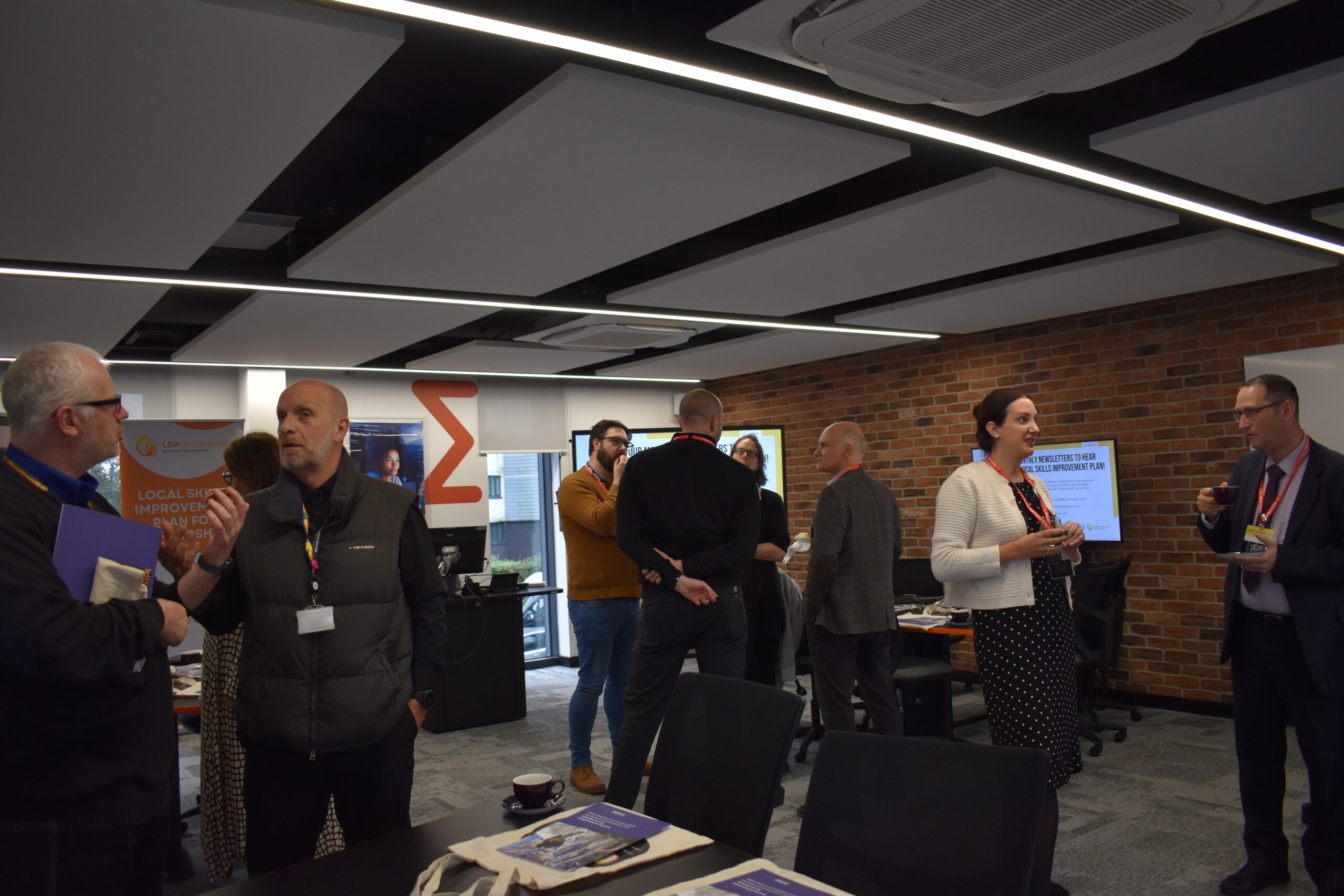
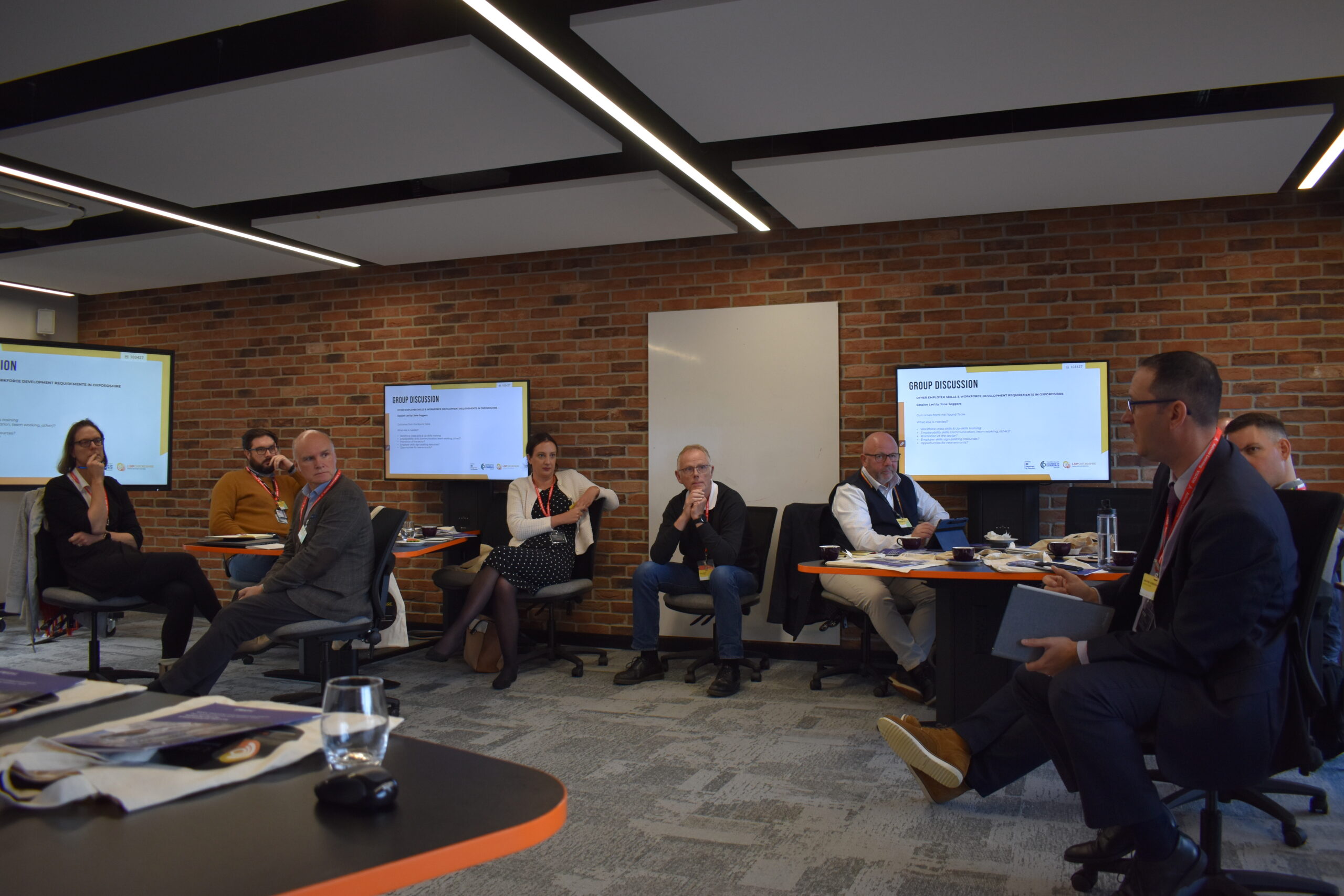
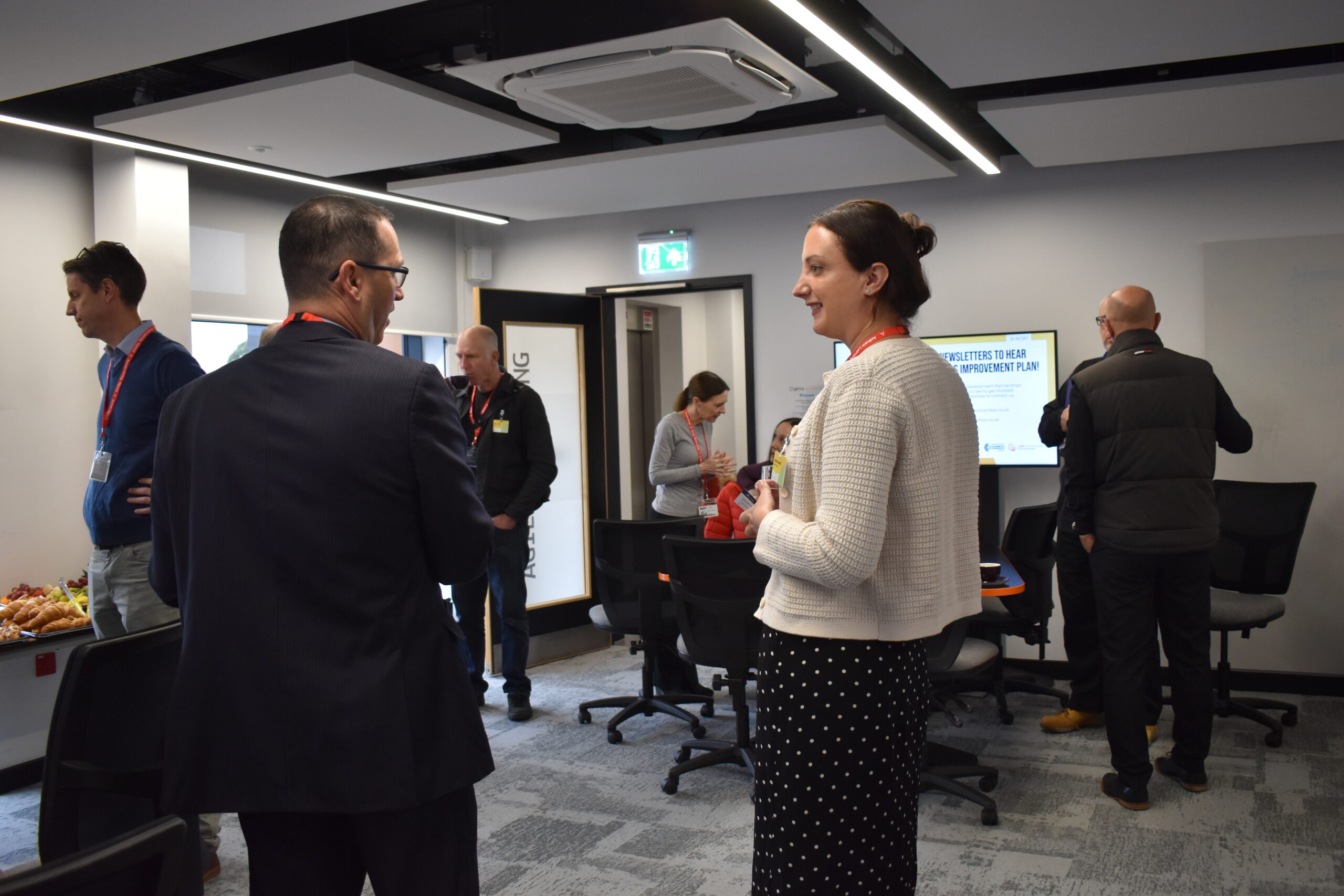
The inaugural meeting of the Workforce Development Partnership for the Manufacturing, Science and Engineering sector took place on October 10th at the Activate Learning Blackbird Ley Campus in Oxford.
The focus of this meeting was to continue the dialogue from the Manufacturing Roundtable with the IOP in June to gain a broader understanding of the specific skills and recruitment needs of employers in Oxfordshire. The meeting commenced with a warm welcome from Jane Saggers, followed by an introduction to the Chamber and benefits of Chamber membership from Rober Nienaber. An update on the Local Skills Improvement Plans, Skills England, and the impact the employer and training provider engagement has made on the training provision in the region was shared.
Jess Hamer, IOP provided a recap on their role in the industry and update on the T-Level project and their latest report incorporating feedback from the Roundtable, discussing the barriers faced by employers regarding T-Level implementation and how these can be overcome. Opportunities with the IOP were discussed with a focus on upcoming projects and applications and an invitation for Partnership members to contact the IOP for further conversations and inclusion.
Caroline Wood, UKAEA provided an overview of their skills agenda, their ownership of the Oxford Advance Skills (OAS) centre and role in Fusion skills development. The collaboration between UKAEA and STFC under the FOSTER programme was shared, with a focus on disseminating knowledge to a wider audience. Two competitions were announced, alongside the launch of an international fellowship scheme and a webinar scheduled for mid-October to explore future needs and ideas in this field. Edward Collett, Abingdon and Whitney College gave a presentation on their latest Engineering Skills Bootcamps to support new people into businesses which include a 10-day training course aimed at preparing individuals for interviews, with the potential for job offers. The upskilling of current staff was also addressed and employer contributions discussed.
The training provision landscape for the sector was shared with the group, with the aim of helping employers to better understand the qualifications and training provision available in Oxfordshire today.
A group discussion included concerns on skills shortages and absence of local training courses, course levels, post-Covid generation expectations and the need for engineering skills. Conversations shifted to Process Engineers, salary expectations and adult learning through Apprenticeships. The Apprenticeship and Growth Levy was raised and how micro-courses may be helpful going forward. Recruitment challenges were noted, as well as the need for improved preparation in schools for professional environments and a need for schools to re-engage with employers.
Information was shared on the Skills Builder framework and the shared responsibility of educators, employers, and parents in educating young people was discussed. Needs for employers to showcase modern work environments to students and for education among students, parents and educators on the various roles and career paths was highlighted.
In closing the group were asked to approach the LSIP team if they were interested in undertaking an Employer Champion role for the partnership.


Hospitality & Visitor Economy Workforce Development Partnership
The 3rd meeting of the Hospitality and Visitor Economy Workforce Development Partnership was held at the Moxy Hotel, Slough on September 24th. There was a strong presence from employers, training providers and wider partners to progress the skills agenda for the Hospitality and Visitor Economy sector in Oxfordshire and Berkshire. The meeting commenced with a warm welcome and introduction from Sarah Powell, Le Manoir aux Quat/Saisons and Employer Champion. The purpose of the meeting was to provide a local and national picture of the skills landscape for the industry, share progress on the actions from the previous meeting and facilitate a group discussion on how best to meet employers’ skills and recruitment needs through the LSIP framework. An introduction to the Chamber and the benefits of Chamber membership followed, with an update on the Local Skills Improvement Plans, Skills England, and the positive impact the employer and training provider engagement to-date has had on the training provision in the region were shared with the group.
Melanie Sensicle, MCS provided an overview of the Berkshire Visitor Economy Framework in development, which if successful, would result in Berkshire becoming a Visit England-accredited Tourist Board.
Berkshire are working to become an LVEP (Local Visitor Economy Partnership), essential for joining the wider partnership network and could provide access to potential funding. Key priorities for the visitor economy include sustainability, year-round business, accessibility, delivering a world-class visitor experience, extending the visitor footprint, employment, careers for all and improving data and intelligence. Further collaboration on the Framework is required with completion planned for February.
UKHospitality’s Sandra Kelly, provided an update on the national skills picture and strategy for the Hospitality sector following the significant challenges the industry has faced since Covid-19, Brexit and rising industrial costs. Reference was made to the work of the Hospitality Sector Council and its objectives to professionalise the industry. 22 key objectives, include: improving entry points, qualifications, courses, and apprenticeships. The importance of creating clear routes for individuals to enter and progress through the sector was highlighted, as was the need for a sustainable workforce pipeline. Simplification in qualifications and curriculum was needed, with a focus on Levels 1,2 and 3 in colleges and the updating of apprenticeship standards. A universal entry for an apprenticeship standard was discussed, as was the need for a more integrated approach to training across the regions.
The current training provision landscape for the sector was shared with the group, with the aim of helping employers to better understand the qualifications and training provision available in the region today. Further discussions highlighted the need for a better understanding of skills funding for employers and resolution of the immigration issues currently being addressed through UKHospitality. (Hospitality is the largest sector to employ overseas workers and faces restrictions on visa routes and internships). The importance of aligning with FE colleges to ensure sustainability is included in hospitality courses was raised, as were further efforts to improve work placements, simplify processes and engage with marginalized groups. An update on the regional LSIP activity for the sector was raised and proposed for the next meeting
Edward Collett, Abingdon and Whitney College provided an overview of their collaboration with Yellow Submarine, an Oxfordshire based charity who support adults with learning disabilities and autism develop the skills to work successfully in the Hospitality sector. Details of the programme and how other employers could get involved was shared with the group.


Construction & Built Environment Workforce Development Partnership
A lively and well-attended third meeting of the Construction Workforce Development Partnership saw employers, training providers, sector bodies and wider partners come together to continue to move the skills agenda for the sector forward. Held on September 12th at the DoubleTree by Hilton, Newbury the membership had presentations from the Local Skills Improvement Plan team; The Thames Valley Chamber of Commerce; Adviza; our Employer Champion from Helix Construction; Mathew Bennet from ‘Rethinking Construction’ and Paul Ducker and John Holland from New Directions College.
Simon Barrable and Tim Major (Thames Valley Chamber Team) gave an update on progress since the April meeting and covered the LSIP Progress Report showing the significant extent of employer and training provider engagement during our first year. As well the impact of the range of Workforce Development Partnerships we now have meeting regularly across a range of priority sectors in the Thames Valley. The Chamber Quarterly Economic Survey was presented and delegates were invited to complete this.
Sarah Clegg (Adviza) outlined their plans for bringing more people from harder-to-reach groups into the sector, with the support of employers and with vocational training from local educators. Good progress is being made on this with several key employers looking to get involved now. This includes Helix and Sisk and Son, with Helix looking to incorporate the programme into their new talent development Foundation.
Our Employer Champion Lawrence Wright, from Helix outlined a range of activities he’s involved with to promote opportunities in the sector to the next generation and gave an overview of the more positive outlook for the sector as we move towards 2025.
Mathew Bennet from ‘Rethinking Construction’ presented a thought-provoking paper challenging the construction industry to think differently about its recruitment problems. He emphasised the need for the industry to be more aspirational and better attuned to the needs and values of the next generation, from trainees to apprentices to graduates. He will be chairing the roundtable event we are running in January to discuss the recruitment issues for the sector in more depth and highlight the breadth of opportunities within it.
Paul Ducker and John Holland presented to the group on the sustainability challenge for the sector and what more can be done to help to meet this and promote what the sector is doing to potential new employees. The group committed to a number of key actions:
- A Roundtable discussion on the skills and recruitment needs of the sector
- Progressing the hard-to-reach groups recruitment project
- Continuing to promote the wider opportunities of the sector, with post-roundtable resources contributing to this
- Keeping employers up to date with the provision available from educators, and training providers up to date with sector training needs
- Looking at career changers as a source of future talent for the sector
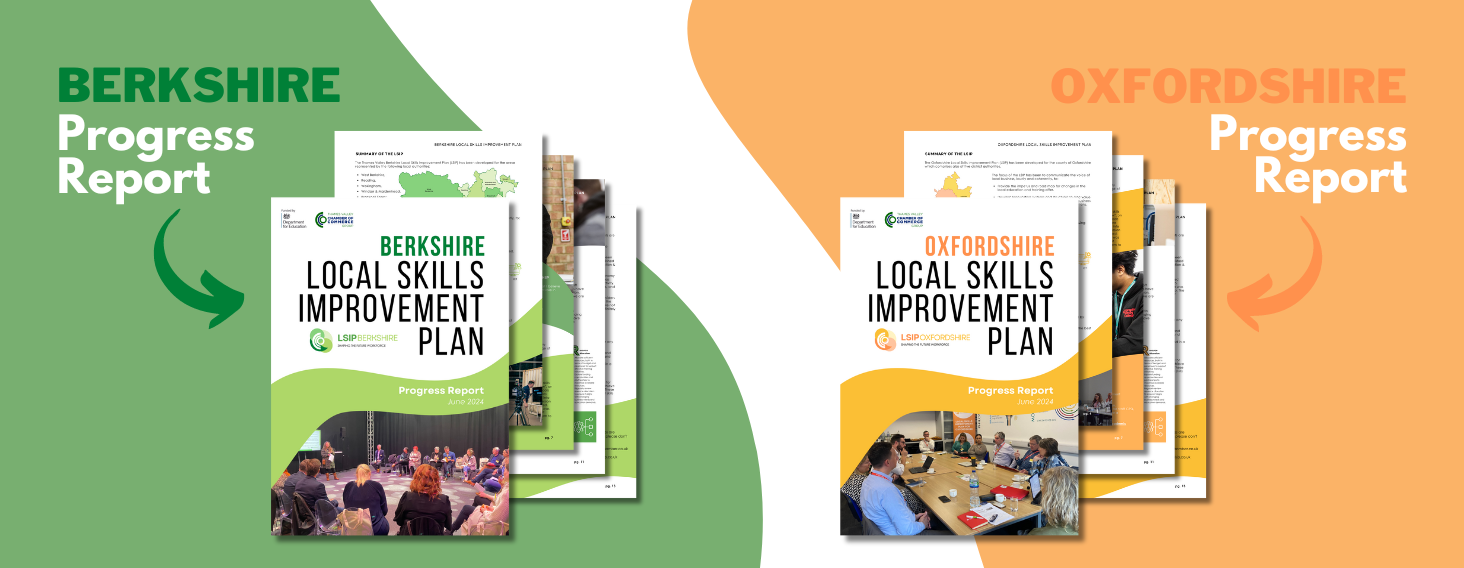
Thames Valley Chamber Releases Progress Reports on Local Skills Improvement Plans for Berkshire and Oxfordshire
Thames Valley Chamber of Commerce (TVCC) have released the latest update on the Local Skills Improvement Plans (LSIP) for Berkshire and Oxfordshire by publishing Progress Reports.
These Progress Reports showcase achievements and initiatives undertaken since the inception of the LSIP’s, including the utilisation of the Local Skills Improvement Fund, which secured funding to bolster education and training programmes, aligning with local industry demands.
Highlighting the significant strides made in addressing local skills shortages, the Reports outline future priorities for improving the capabilities of the regional workforce.
Developed in collaboration with employers, education providers, and stakeholders, the LSIP has been instrumental in identifying critical skill gaps across key sectors such as Health and Life Sciences, Hospitality and Visitor Economy, Construction and the Built Environment, Haulage and Logistics, Care and Screen Industries.
Paul Britton, CEO, TVCC, said: “The progress we’ve made in just nine months since the launch of the Local Skills Improvement Plans is a testament to the power of collaboration between local businesses, education providers, and community partners.
“These Progress reports highlight not just what has been achieved, but the ongoing commitment to aligning education with the real needs of our economy. We are proud to see tangible changes in training provision and the strengthening of connections between employers and educators, ensuring that the workforces of Berkshire and Oxfordshire are equipped for the future.
“It is clear that the positive impact of working with local companies to provide solutions goes far beyond the initial goals of the LSIP and has led to success stories that we are showcasing as exemplar across the whole of the Accredited Chamber of Commerce network in the UK.”
Stuart Carroll, Chair of the LSIP’s said: “Our commitment to fostering a more connected and responsive skills ecosystem across Berkshire and Oxfordshire is bearing fruit. These progress reports underscore how our collective efforts are driving meaningful change in workforce development.
“By bridging the gap between industry and education, we’re not only addressing current skills shortages but also laying a strong foundation for future growth. The ongoing collaboration between employers and training providers is vital to ensuring that the Thames Valley areas of Berkshire and Oxfordshire remain competitive and prosperous in an ever-evolving job market.”
The Minister for Skills, The Rt Hon Baroness Smith of Malvern said: “I welcome the publication of the Local Skills Improvement Plan Progress Reports for Berkshire and Oxfordshire.
“These reports set out progress made on meeting the skills needs of local employers. As well as being a valuable source of information for local skills deliverers, employers and stakeholders, the reports along with the LSIPs themselves, will provide important intelligence for the newly established Skills England.”