skip to Main Content

Care Workforce Development Partnership

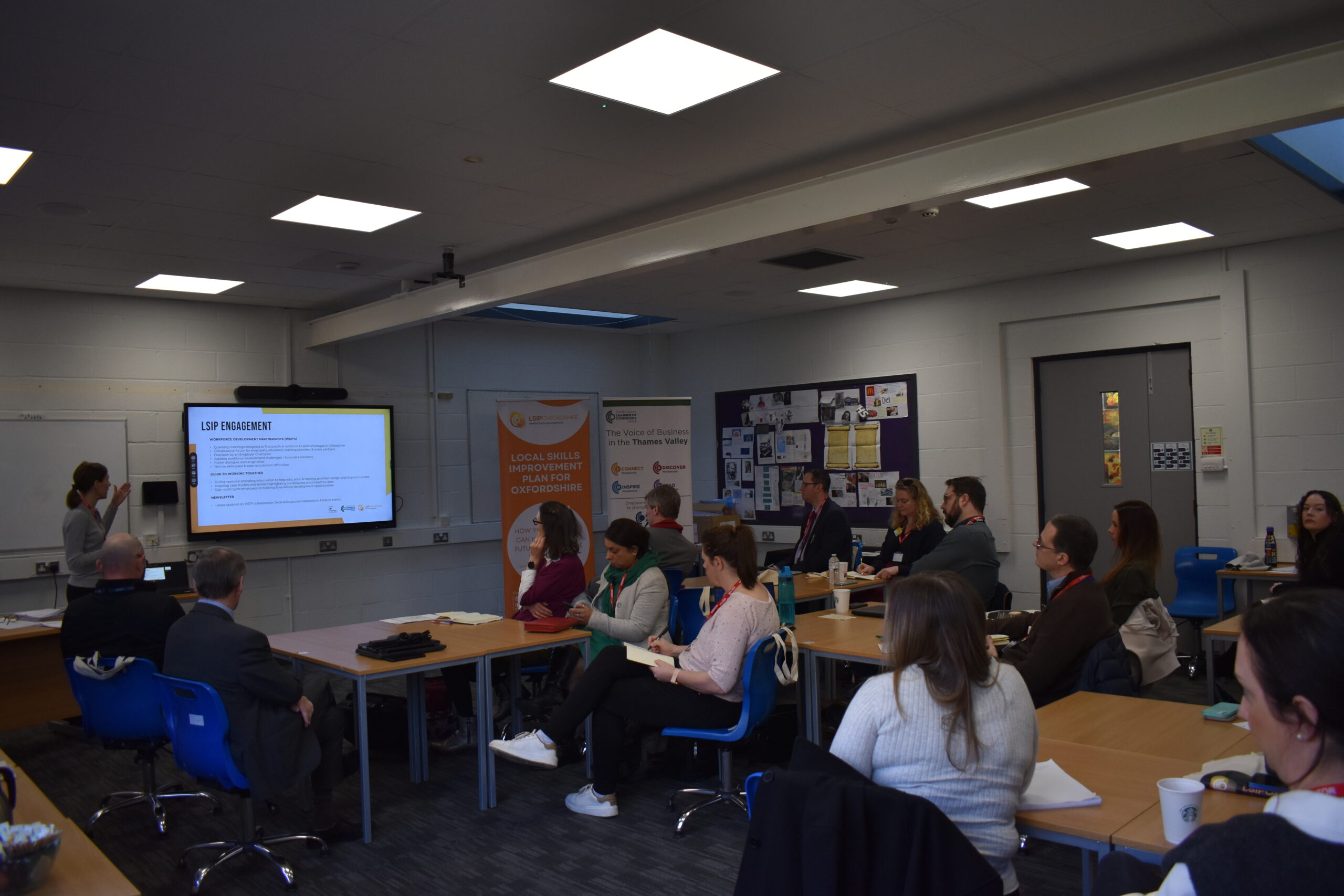
The latest Care Workforce Development Partnership meeting took place on 18th March, bringing together employers, educators, and industry experts to discuss workforce challenges, skills development, and collaboration. Employer Champion Sanjay Dhrona opened the session by recognising the importance of every individual working in care, whether in frontline roles or behind the scenes, and the need to blend hospitality with clinical skills to deliver high-quality care. The Careers Festival initiative was introduced as an opportunity to promote the sector’s diverse career paths and encourage best practice sharing.

Labour’s policy direction was discussed, including economic growth plans, devolution changes, and new skills funding structures. The role of Skills England in aligning education with workforce needs was highlighted, alongside the introduction of new qualifications in 2025. The Local Skills Improvement Plans (LSIPs) will continue shaping training strategies, with stronger links between businesses and local authorities.

Workforce development was a key focus, with the Department for Work and Pensions (DWP) outlining plans for sector-based work academies to support recruitment. A ‘speed-dating’ networking event between employers and jobseekers was suggested to help fill vacancies, though transport barriers—particularly in Oxfordshire—were recognised as a challenge. Flexible job design was raised as a way to improve accessibility.

Rachel Reid shared the latest Skills for Care insights, reporting a drop in vacancy rates and high staff retention within the sector. The Adult Social Care Learning and Development Support Scheme (LDSS) was discussed, providing funding for training courses, with applications open until March 2025. The introduction of a Level 2 Adult Social Care Certificate aims to standardise training, while a new workforce strategy will outline clearer career pathways and leadership development opportunities.

Planning for the Careers Festival gained momentum, with broad agreement on a September date to maximise student participation. Educators, parents, and careers advisors will also be invited to ensure a well-rounded understanding of opportunities in care. A working group was formed to oversee planning, with a focus on securing a keynote speaker with sector experience.

Looking ahead, we discussed the growing need for digital skills in care and the potential for an educational platform that mirrors workplace technology. Employer-educator collaboration remains a priority, ensuring that training meets industry needs and that teachers are supported in keeping up with sector developments. The importance of early careers awareness and structured leadership training was also highlighted.

The meeting wrapped up with a commitment to progressing these actions, with further discussions planned to ensure care remains an attractive and sustainable career choice.


Manufacturing, Science and Innovation Workforce Development Partnership

On 6th March, we came together for the latest Manufacturing, Science & Engineering Workforce Development Partnership meeting, focusing on skills, training, and industry collaboration. We started by welcoming Caroline Wood from UKAEA as the new Employer Champion, before hearing from the Chamber of Commerce about the support available to businesses, including training, networking, and international trade.

We then had an update on the Local Skills Improvement Plans (LSIP) in Berkshire and Oxfordshire, which continue to make progress in addressing skills gaps. Recent developments include a Net Zero Skills Hub, new robotics and AI courses, and expanded opportunities in green construction. One particularly interesting project involved students from The Henley College who have built a rocket and are looking for a test launch site—if anyone has suitable land, they would welcome the opportunity.

The policy update focused on Labour’s economic growth plans, upcoming changes to local governance, and the extended funding for LSIPs, which will now run until 2027. The aim remains the same: to align business needs with national and regional priorities, with employers continuing to play a key role in shaping workforce planning.

Discussions on manufacturing and engineering skills in Oxfordshire reinforced the importance of T Levels and apprenticeships in addressing shortages. There is currently a lack of providers for key technical training in areas such as Maintenance, Installation, and Repair, while employers have also highlighted the need for apprenticeships in roles like Product Development Manager and Senior CAD Engineer. Alongside technical skills, employability skills such as communication and teamwork were seen as essential.

Some positive steps have already been taken. A Manufacturing Roundtable with the Institute of Physics has helped address industry concerns, and new qualifications, including the Battery Manufacturing Technician (Level 3), are now available. Work is also underway to develop a clearer picture of training provision, making it easier for employers to find the skills support they need. There was also discussion around the perception of apprenticeships, particularly among parents, and how to ensure they are seen as a valuable career route.

During the wider discussion, several key issues were raised. Many employers, particularly SMEs, need better information about qualifications and pathways, and clearer engagement with education providers could help align training with business needs. There was also a focus on how best to attract mid-career professionals, improve online resources, and explore different ways of delivering training.

The meeting ended with an update on industry projects, including the UKAEA Oxfordshire STEM Engagement initiative and the Institute of Physics Semiconductor Project, both of which provide opportunities for businesses to get involved.

Looking ahead, we will continue to develop a regional priorities plan, addressing key themes such as improving awareness of career pathways, expanding engagement across the region, and supporting both new and experienced professionals in the sector. These discussions are an important step in making sure businesses can access the skills they need, and we will pick up on these topics in our next meeting.

Thames Valley tech leader Phil Smith CBE to chair Skills England

Honorary Thames Valley Chamber of Commerce (TVCC) member Phil Smith CBE, a respected technology industry leader, has been named chair of Skills England. He will be joined by Sir David Bell, the former University of Reading Vice-Chancellor, Ofsted chief inspector and DfE permanent secretary, as vice chair.

Given the availability of skills is key to the aspirations of local businesses and to the future competitiveness of the Thames Valley, having thought leaders of this caliber is a huge step forward in driving change in a complex system of skills policy.

Labour set up Skills England in shadow form shortly after winning July’s general election. It will work across government to advise ministers on skills and funding policy, and co-ordinate strategy.

Commenting on his appointment, Phil Smith said:

I am delighted to be appointed to this important role given how important a vibrant skills system is to our economy. I look forward to continued constructive collaboration with the Thames Valley Chamber.

Paul Britton, CEO, TVCC said: “We extend our congratulations to Phil. Phil brings a wealth of experience and his appointment is a huge boost to employers seeking positive change in a complex skills system. As a long-standing supporter of the role of Chambers of Commerce in co-developing solutions, we are delighted that he will be instrumental in shaping the future of the UK’s skills policy. We are excited to see the impact he will have in this new role and wish him every success in the journey ahead.”

Phil was previously the chair of TechSkills.org, Innovate UK and Cisco, which he also led for over two decades as CEO, and until last month was chair of semiconductor materials supplier IQE plc. He is a former CEO and chair of Cisco UK & Ireland, spending over 20 years with the company and has worked closely with TVCC as an advocate for the business community. He was awarded a CBE in 2019 for services to technology, business and skills.

Having facilitated Chamber Technology Conferences, and other flagship events in recent years, Phil will be welcoming local businesses as event chair for the Thames Valley Growth Conference, which is taking place on May 14th at Syngenta’s impressive Headquarters in Berkshire.

Health & Life Sciences Workforce Development Partnership

The meeting began with a welcome and an update from Employer Champion Tanya Jenkins of Lonza Biologics, who discussed Lonza’s relocation and emphasised the importance of collaboration between employers and educators to secure the future workforce.

Local Skills Improvement Plans (LSIPs) continue to drive collaboration between employers and education providers to address skills shortages and support local economic growth. Labour’s policy agenda focuses on economic growth, local authority empowerment, and skills funding reform, aligning with the forthcoming Industrial Strategy White Paper. Skills England, launching in 2025, will map skills needs, engage stakeholders, and ensure training aligns with workforce demands. New qualifications in priority sectors such as health and technology will also be introduced.

Activate Learning’s Science Advisory Board has held initial meetings discussing degree apprenticeships and skills alignment. Further discussions are taking place regarding the potential for a single employer advisory board to streamline engagement with education providers, although competition between providers remains a challenge. The next meeting on 8 May at City of Oxford College will coincide with the launch of new laboratories and will focus on ensuring training provision aligns with industry needs.

Employers and education providers need further dialogue to clarify employer requirements at different qualification levels to guide training provision effectively. Communication between businesses and education providers must be improved, recognising that the business and education cycles do not always align. Employers are increasingly looking for transferable skills over sector-specific training, and Bootcamps can provide a route to upskilling existing staff. Leadership and management skills are in high demand, particularly for professionals who are promoted into managerial roles without leadership training. Degree Apprenticeships incorporating management training were mentioned as a potential solution. There is also strong demand for AI, electronic systems, and digital skills, particularly within the NHS. Activate Learning is seeking to engage businesses in Level 6 apprenticeships.

OxLEP is awaiting confirmation on Wave 6 Bootcamps, delaying procurement of the Data Analytics Bootcamp. Berkshire LEP has proposed an expanded programme to support over 1,000 learners from April 2025. Employers were encouraged to participate and help shape the offer.

The Teacher Trades (Give an Hour) initiative was not seen as the most effective method for upskilling FE staff, although the Teacher Encounters Programme and Industry Educator Programme may offer better support. Colleges continue to develop staff internally through project-based learning. A strong network between education and employers was highlighted as essential to improve information sharing, signposting opportunities, and strengthening links. Two-way learning was seen as beneficial, allowing employers to recognise the skills students are developing. With new job roles still emerging, identifying future skills needs remains a challenge. Careers education is widely regarded as crucial but remains underfunded. Concerns were raised about the overlap between T Levels and apprenticeships, making integration difficult.

A review of skills survey findings was shared, with speculation that results may change in 2025 due to anticipated amendments to the Employment Rights Bill.

Employers with an annual PAYE bill over £3 million can transfer up to 50% of unused Apprenticeship Levy funds to support SMEs, charities, and social enterprises. Reforms will allow up to 50% of levy funds to be used for non-apprenticeship training in key areas such as digital skills, green jobs, and healthcare, with the remainder dedicated to apprenticeships. Some Level 7 apprenticeships may lose funding as resources shift towards lower-level training to support younger workers. Skills England will oversee these changes from April 2025.

Actions agreed in the meeting include exploring the feasibility of a single advisory board to optimise employer engagement, improving student awareness of career pathways and opportunities, supporting Bootcamp graduates into employment, developing frameworks to enhance employability and transferable skills, and identifying training options for leadership, AI, and digital skills development.

Construction & Built Environment Workforce Development Partnership

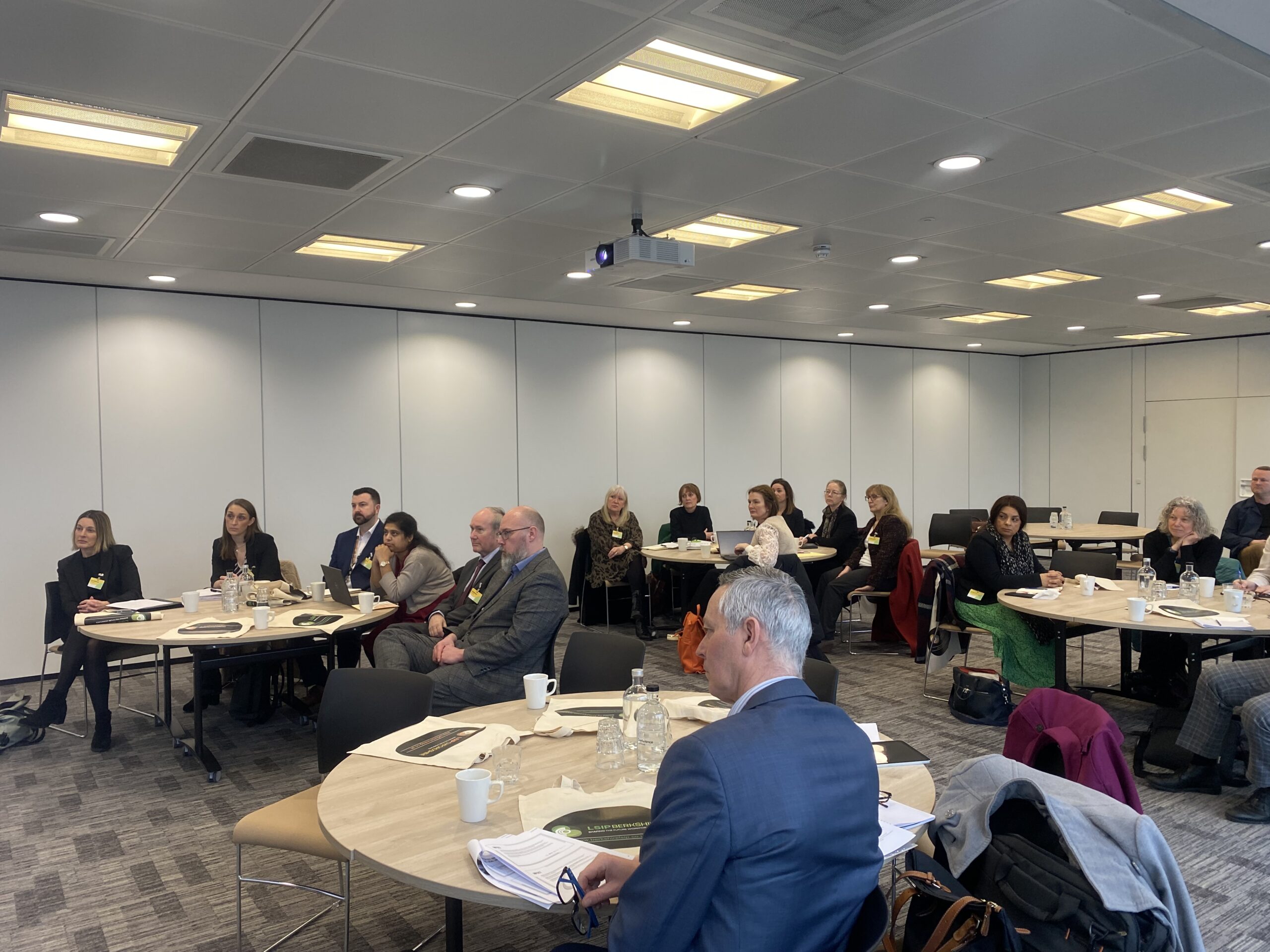
An enthusiastic group of employers, education & training providers, and strategic partners attended the latest Construction and Built Environment Work Force Development Partnership (WDP), held on February 6th at Newbury College. Presentations focused on how we can attract more people into the sector to meet the considerable skills and workforce challenges it is facing in the next 2 to 3 years and beyond.
Lawrence Wright, our Employer Champion from Helix Construct introduced the session followed by an update on the Berkshire and Oxfordshire Local Skills Improvement Plans and current government skills policy from Simon Barrable, LSIP Engagement Officer. These provoked discussion on the need to attract more teachers/trainers into the sector to meet student demand for training places.

There was then a focus on getting harder-to-reach groups into the sector, with presentations from Michael Guard, Deputy Head of AfC Virtual College which supports Care Leavers in education and on into employment. This was followed by Sarah Brinkworth, South Central Prisons Employment Lead, covering the potential construction workforce represented by prison leavers and the support her team gives to these individuals and to employers.

We discussed the outcomes of a recent Construction Roundtable Event held at Reading University. We focused this on ‘Why Construction is Losing the War for Talent’, with Mathewe Bennett from Next Curve Construction leading the discussion. We all felt there was an opportunity for more regional events and communication to promote the sector. We also felt that there was a need for a national campaign around recruitment to construction, in a similar vein to those used for the armed forces. We will seek to take this concept forward.

We finished with a presentation on career changers from Rachel Kay and Gareth Lautenberg from Learning People. People looking to change careers offer real potential for the sector, both in terms of growing the workforce and increasing its diversity.

The group committed to several actions for this quarter:

  • Increase engagement with harder-to-reach groups, including care leavers, prison leavers, and career changers.
  • Explore the issue of the shortage of teaching capacity to deliver training to the numbers of construction employees we are trying to bring into the sector. Possible solutions might include the expansion of employer-led teaching initiatives and the development of structured and funded programs to bring more industry professionals into education.
  • Explore the potential of developing a national marketing campaign to promote the sector and of regional approaches to attracting more local people into construction.
  • Encourage Tier 1 and Tier 2 construction companies to provide structured support for SMEs, including training models, mentorship programs and further levy transfer.
  • Ensure participation from supply chain employers in the next meeting to discuss potential collaborative solutions.

Thames Valley Chamber of Commerce Parliamentary Question Time: A Vital Discussion on Apprenticeships and Green Skills

The recent Thames Valley Assembly (TVA) Parliamentary Question Time (PQT) event, sponsored and hosted by the University of Reading, provided an invaluable insight into the challenges and opportunities surrounding apprenticeships, green skills, and the broader educational landscape. The panel featured prominent figures such as Yuan Yang, Labour MP for Early and Woodley; Jack Rankin, MP for Windsor; and Rt Hon Robert Halfon, former Minister for Skills and Apprenticeships. Their contributions, alongside those of esteemed academic and business representatives, fostered a dynamic and engaging discussion on the pressing issues facing the Thames Valley and the UK as a whole.

These sessions serve as an essential platform for MPs, ministers, policymakers, and civic leaders to engage with local businesses. They offer a unique opportunity to shape the work of the TVA in supporting Thames Valley Chamber of Commerce (TVCC) members, ensuring that the voices of the business community are heard and reflected in regional policies. This engagement is critical in addressing the economic and infrastructural needs of the Thames Valley, which is often referred to as the UK’s engine of growth. The event explored key issues, including skills development, apprenticeships, infrastructure projects such as the Western Rail Link to London Heathrow and potential airport expansion, and the broader strategy for future economic growth in the UK.

One of the most prominent discussions focused on the urgent need to align higher education and apprenticeships with the evolving demands of the economy. The session featured valuable insights from Rt Hon Robert Halfon, former Minister for Skills, Apprenticeships and Higher Education, and Professor Robert Van de Noort CBE DL, Vice Chancellor of the University of Reading. Together, they examined the sustainability of current funding structures, the impact of artificial intelligence (AI) on education, and the transformative potential of the Lifelong Learning Entitlement. These discussions underscored the necessity for a more adaptable and responsive education system that caters to both students and the workforce, ensuring that the UK remains globally competitive.

A focal point of the debate was the growing prominence of alternative educational models. The discussion highlighted industry-led institutions such as the Dyson Institute, which emphasises hands-on learning, as well as the increasing popularity of degree apprenticeships. These innovative models are proving to be highly effective in meeting the needs of both students and employers. By providing a direct pathway from education to employment, these approaches help to bridge the skills gap in key sectors such as the creative industries, technology, and health and life sciences. These fields are not only essential to the economic future of the Thames Valley but are also critical to the broader UK economy.

Beyond the discussion of educational models, the session also touched on the role of businesses in shaping the skills agenda. The audience, composed of local business leaders and stakeholders, posed insightful questions about how the region’s educational offerings could better align with its economic needs. This interaction demonstrated the strong desire for collaboration between businesses and educational institutions, ensuring that the future workforce is equipped with the skills necessary for sustained economic growth. There was broad consensus that fostering closer ties between academia and industry is key to addressing ongoing skills shortages.

The event also provided a valuable platform for addressing specific regional concerns. In particular, the creative industries, and more specifically the screen sector, were given significant attention. The panel expressed strong support for Screen Berkshire, an initiative that has played a crucial role in attracting global partners such as Shinfield Studios, Shadowbox Studios, Bray Film Studios, and Prime Video & Amazon MGM Studios. The success of this sector has been bolstered by funding from the British Film Institute (BFI) and the Department for Culture, Media, and Sport, further solidifying the Thames Valley’s position as a leading hub for creative production and innovation.

Overall, the event proved to be an enriching and thought-provoking occasion, bringing together key stakeholders from government, education, and business. It reinforced the vital role that education plays in shaping the future workforce while highlighting the importance of collaboration in fostering the skills needed to drive economic prosperity. As the Thames Valley continues to evolve as a major economic powerhouse, events like this PQT session will remain crucial in ensuring that policies and initiatives are aligned with the needs of businesses and communities alike. Through ongoing dialogue and cooperation, the region can continue to develop a skilled workforce capable of meeting the demands of an increasingly complex and competitive global economy.


Roundtable Addresses the Talent Shortage in Construction

The Thames Valley LSIP (Local Skills Improvement Plan) convened a roundtable discussion in January 2025 at The University of Reading, to tackle a pressing issue: the construction industry’s struggle to attract and retain talent. Despite being a vital sector worth £134bn annually to the UK economy, the industry faces a projected shortfall of 250,000-270,000 workers by 2027.

Several challenges contribute to this talent shortage. Stereotypes about the industry being lower-class, dirty, and manual deter young people and diverse candidates. Nicola Hieatt from CITB noted,

You need to demonstrate the scope of construction earlier to reduce the stigma and perception of the industry.

Additionally, the industry suffers from a lack of visibility, with few role models and negative media coverage.

Brexit has also impacted the workforce, leading to a loss of skilled and unskilled workers and raising recruitment barriers. The complexity of the industry, with its various technical disciplines and project stakeholders, can be off-putting.

Mike Mullan from Newbury College mentioned:

From my experience, only around 20% actually stay within the construction industry after completing their FE course.

A lack of understanding of the industry’s breadth of roles further exacerbates the problem. Edward Collett from Abingdon and Witney College highlighted, “There is a lack of understanding of the more modern trades: people tend to know the domestic bit alone.”

Retention issues also plague the industry. Tribalism and traditionalism make it difficult for individuals without connections to break into it. Alex Rabey-Bennett from Enborne Project Consultancy stated,

It’s hard to break into construction without links to or family in the industry.

Limited growth opportunities and competition for talent, with businesses poaching employees with higher salaries, further hinder retention.

The roundtable discussed several possible solutions to address these challenges. Better promoting the industry’s value by highlighting its economic and social importance through events, outreach, and better communication would help. Demystifying the industry by developing more resources for educators and supporting recruitment to related courses and potential employees is also important.

By offering better role models and increasing the visibility of the industry’s diversity, they hope to attract more talent.

Adrian Tagg from the University of Reading emphasised, “If you’re passionate about helping the planet, join Greenpeace… if you want to make a real difference, work in the built environment.”

The LSIP is committed to using positive language to emphasise the vibrancy and legacy of the industry and the importance of all roles within it. They plan to spread awareness at local, regional, and national levels to build momentum for the cause. Additionally, they aim to improve recruitment processes to ensure trained individuals can secure jobs. As Lawrence Wright from Helix Construct noted, “As main contractors we have a responsibility to support SMEs. They are small and time poor. We’re trying to support them to develop and retain new entrants more now at Helix through our Foundation….”

The LSIP is dedicated to changing perceptions, attracting diverse talent, and retaining skilled workers to ensure a thriving future for the construction industry. For more information or to get involved, contact Simon Barrable at the Thames Valley Chamber of Commerce: simon@thekwp.co.uk

Based on an article by Emma White,

on behalf of Helix Construct

http://helix.limited

Hospitality & Visitor Economy Workforce Development Partnership

A well-attended fourth meeting of the Hospitality and Visitor Economy Workforce Development Partnership kicked off 2025 at the Village Hotel Bracknell on January 14th.

The event featured insightful presentations on the Local Skills Improvement Plan developments, the impact of the latest Government white papers on skills and training with overviews of the Visitor Economy plans in Oxfordshire and Berkshire.

UK Hospitality provided an update on the national skills agenda followed by an insightful presentation from the HM Prison and Probation Service to re-think the workforce talent pipeline.

Jane Saggers, Thames Valley Chamber of Commerce, shared updates on Labour’s priorities, focusing on economic growth, empowering local authorities, and tackling skills shortages. The Devolution White Paper was discussed, promising more local control over jobs, housing, and planning, along with a shift in skills funding. Skills England’s role in aligning education with industry needs was discussed, with Local Skills Improvement Plans (LSIPs) remaining central to national plans for economic growth and skills development and aligning with regional and national priorities.

The Industrial Strategy was also discussed, highlighting green energy, technology, and regional development as key drivers of economic resilience.

Berkshire’s focus on creating a Framework for Future Development, builds on existing visitor economy strategies while identifying common goals for even greater success. A decision on the Local Visitor Economy Partnership (LVEP) application is on track for late January 2025.

OxLEP’s presentation on the Visitor Economy Renaissance Programme showcased amazing progress in the post-COVID recovery of Oxfordshire’s tourism sector, while the current 5-Year Destination Management Plan (2023-2028) aims to drive sustainable growth and attract high-value visitors to the region.

Sandra Kelly, UKHospitality, discussed the national skills agenda, the sector’s ongoing challenges and exciting programs including Hospitality Connect and the DWP SWAP’s initiative, both designed to bridge the talent gap and create new opportunities for career progression. This was followed by a great presentation from Sarah Barrett, HM Prison Service, highlighting how employing prison leavers can offer businesses a skilled, motivated workforce while having a positive societal impact.

The event wrapped up with clear next steps: sharing more information on the DWP and Hospitality Connect programs, scheduling meetings to explore extending these in the region, as well as further discussions on sustainability and other skills requirements.

It was an inspiring start to 2025, with plenty of collaboration and exciting activity ahead!

Back To Top