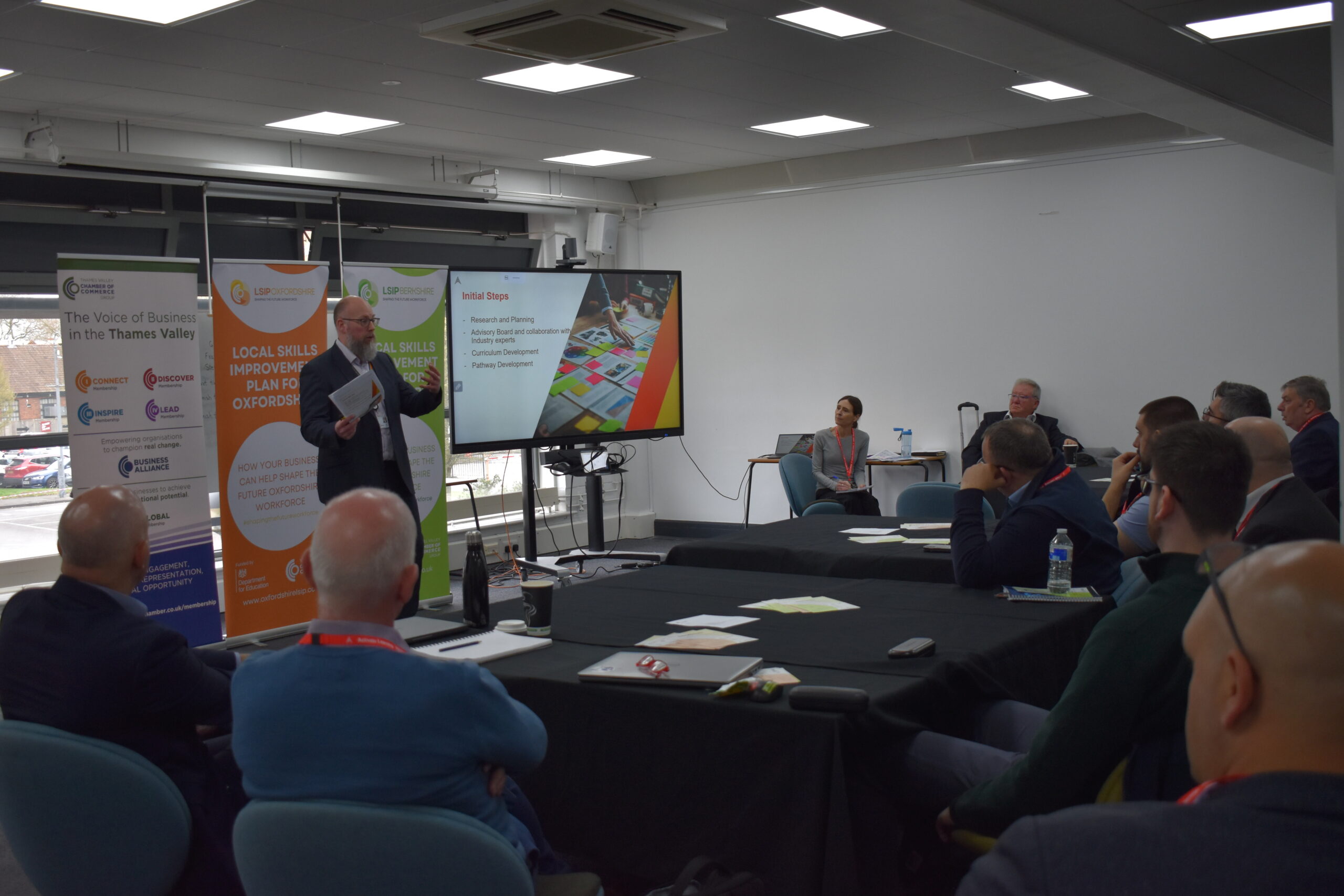
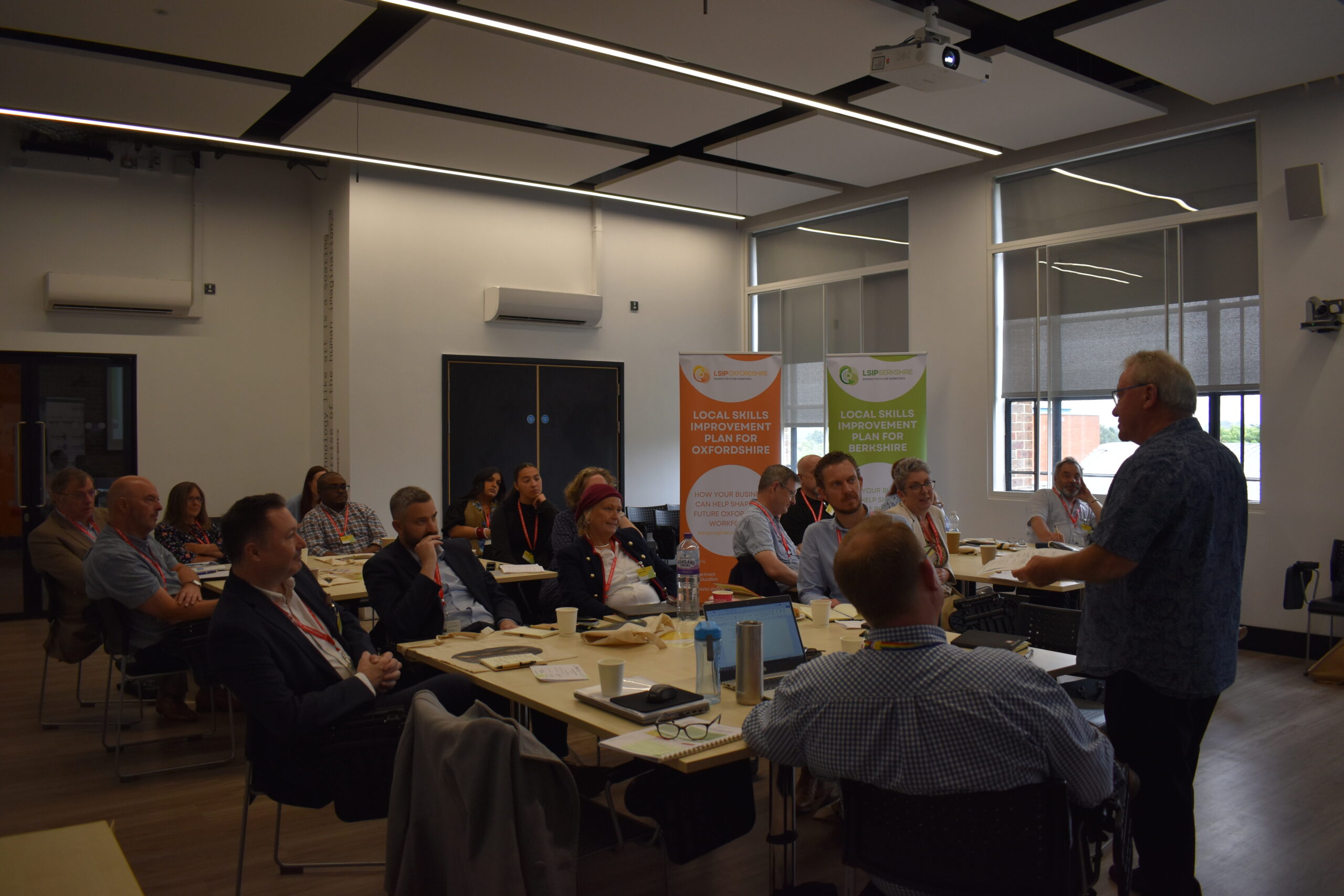
We had a packed and productive meeting on 27th March, where the logistics and transport…

Haulage and Logistics Workforce Development Partnership
At the recent Haulage and Logistics Workforce Development Partnership meeting, on June 12th, stakeholders from education, training, and industry came together to align on next steps for addressing regional skills gaps and improving sector visibility. The session was opened by acknowledging the group’s evolving role in connecting employers, providers, and strategic bodies such as the Department for Work and Pensions. Held online to accommodate wider attendance, the meeting set the stage for ongoing collaboration and a hybrid approach to future gatherings.
A key development discussed was the forthcoming launch of the Haulage and Logistics Pathway at Activate Learning’s Banbury & Bicester Campus in the 2025–26 academic year. The new Level 1 programme, with a Level 2 version to follow, will focus on logistics, warehousing, supply chain, transport, and digital skills. It aims to respond directly to employer demand and offer structured progression into apprenticeships and employment. The pathway is planned to expand across seven campuses by 2026–27, with wide regional interest. There was broad support for holding a future face-to-face WDP meeting at Banbury College in the autumn to coincide with the start of the programme, bringing students and employers together to showcase opportunities and raise awareness.
Employers and training providers reflected positively on recent engagement efforts, particularly a careers fair that drew over 250 students and 40 employers. Attendees agreed to share the Vox Pop video and student feedback with participating employers and to track post-event student-employer engagement to assess impact. The success of similar campaigns, including the John Lewis Partnership’s apprenticeship recruitment drive, was noted—with social media outreach cited as a key driver of applicant interest. Colleges reported positive trends in enrolments, especially in motor vehicle and HGV programmes, and reaffirmed the need for stronger employer links to ease transitions into work.
Participants also stressed the importance of starting career awareness earlier, particularly among 14–16-year-olds. Activate Learning committed to targeting this group, especially those at risk of disengagement, through pre-16 provision and stronger promotion of vocational routes. There was discussion about improving coordination between pre-16 and post-16 provision and ensuring that careers teams across colleges attend sector-specific events to better advise students. Attendees discussed the possibility of coordinating a calendar of careers activities for the 2025–26 academic year.
Broader inclusion was another theme, with calls to engage more colleges across the Thames Valley and to better integrate ESOL learners into logistics pipelines. Many ESOL students arrive with qualifications and experience from other countries, and with the right language and employment support, they could fill critical entry-level roles. The group also noted the value of involving students from vocational courses like plumbing, electrical, and hospitality, given the transferable skills relevant to logistics careers.
There was a shared view that careers in logistics are often misunderstood or overlooked by young people. The Generation Logistics campaign was highlighted as a useful national initiative to demystify the sector and engage new audiences. While concerns were raised about future national prioritisation of sectors like Creative Arts over logistics, it was confirmed that LSIP funding remains in place through March 2026, with regional needs continuing to guide strategy. Planning for LSIP 2.0 (2026–29) will begin in autumn 2025, and logistics is expected to remain a core focus locally.
The meeting closed with a strong consensus on the importance of sustained collaboration between employers, education providers, and strategic partners. With momentum building around the Banbury pathway and greater clarity on actions moving forward, the WDP is set to play a key role in shaping a more visible, inclusive, and responsive talent pipeline for the logistics sector.
Related Posts