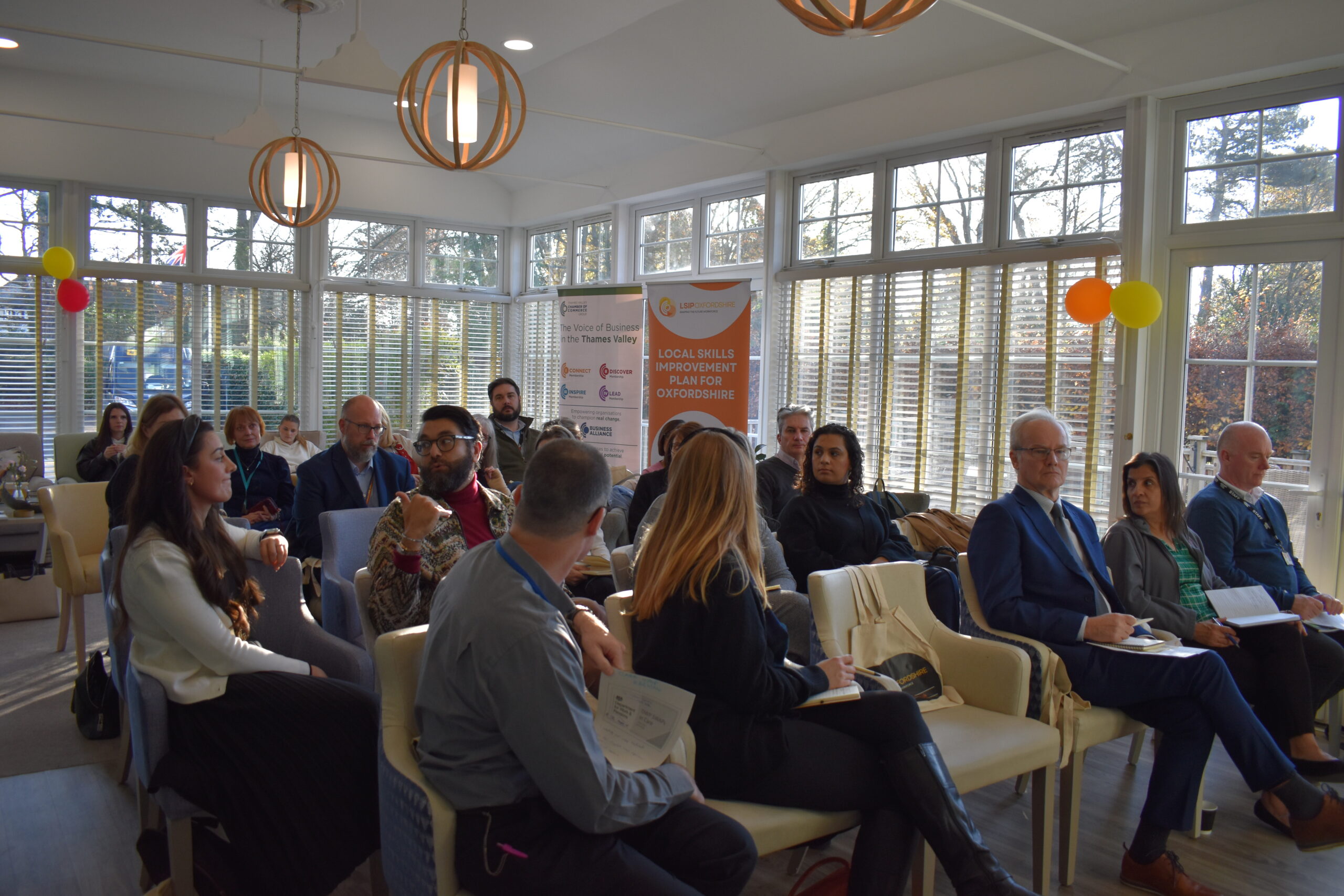
What a day to remember at The Care Connection Career Festival! On Wednesday 26th November,…

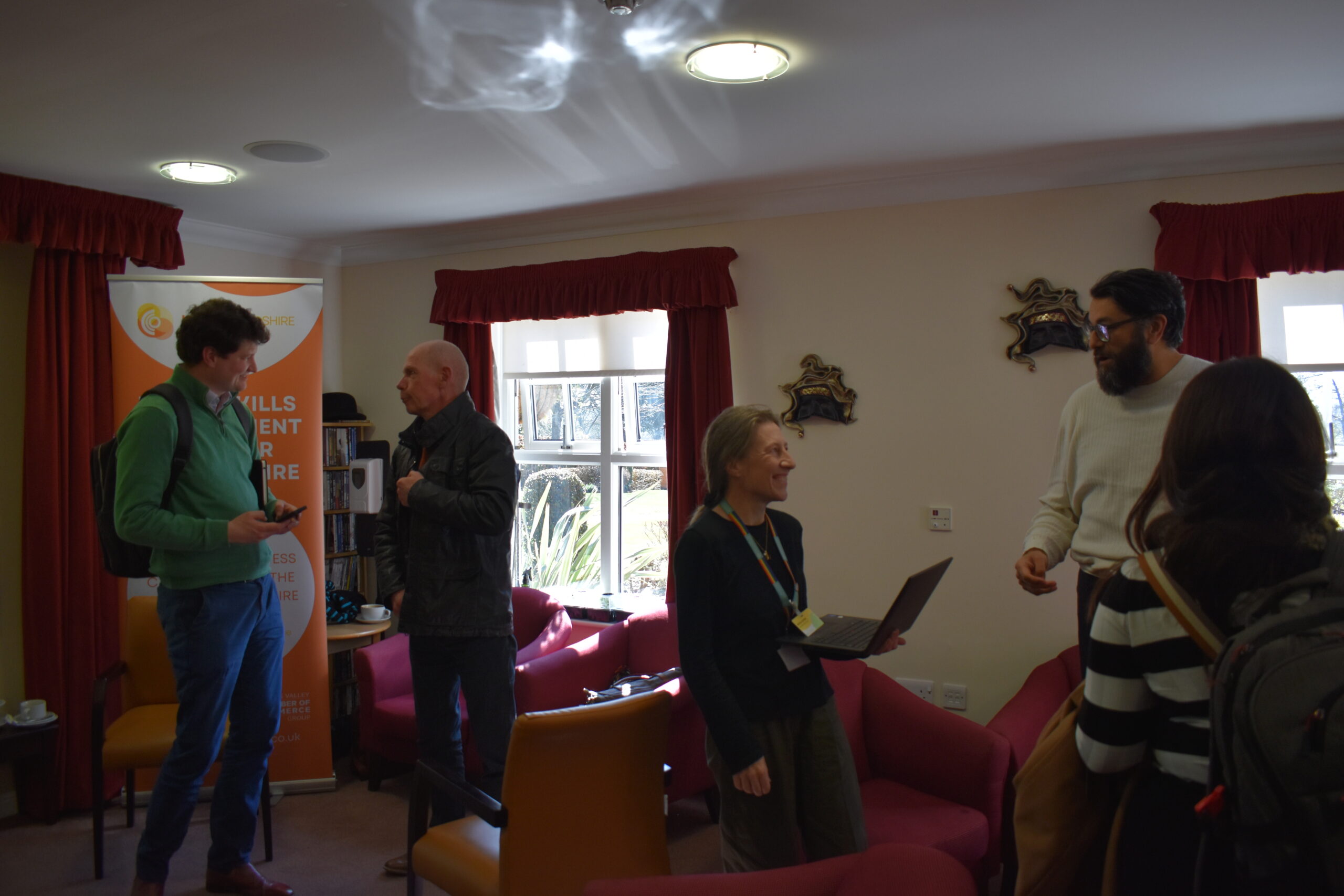
Care Workforce Development Partnership
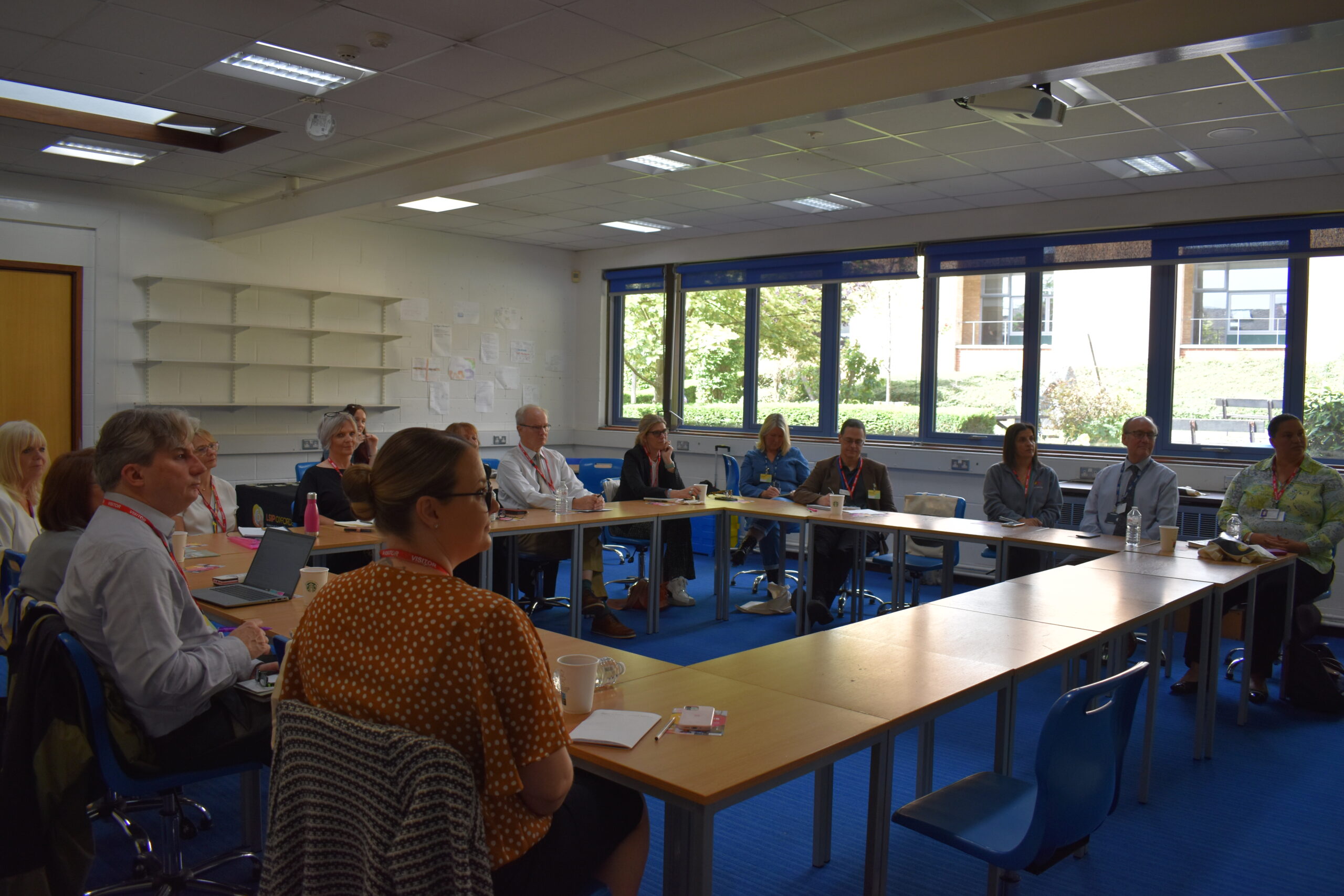
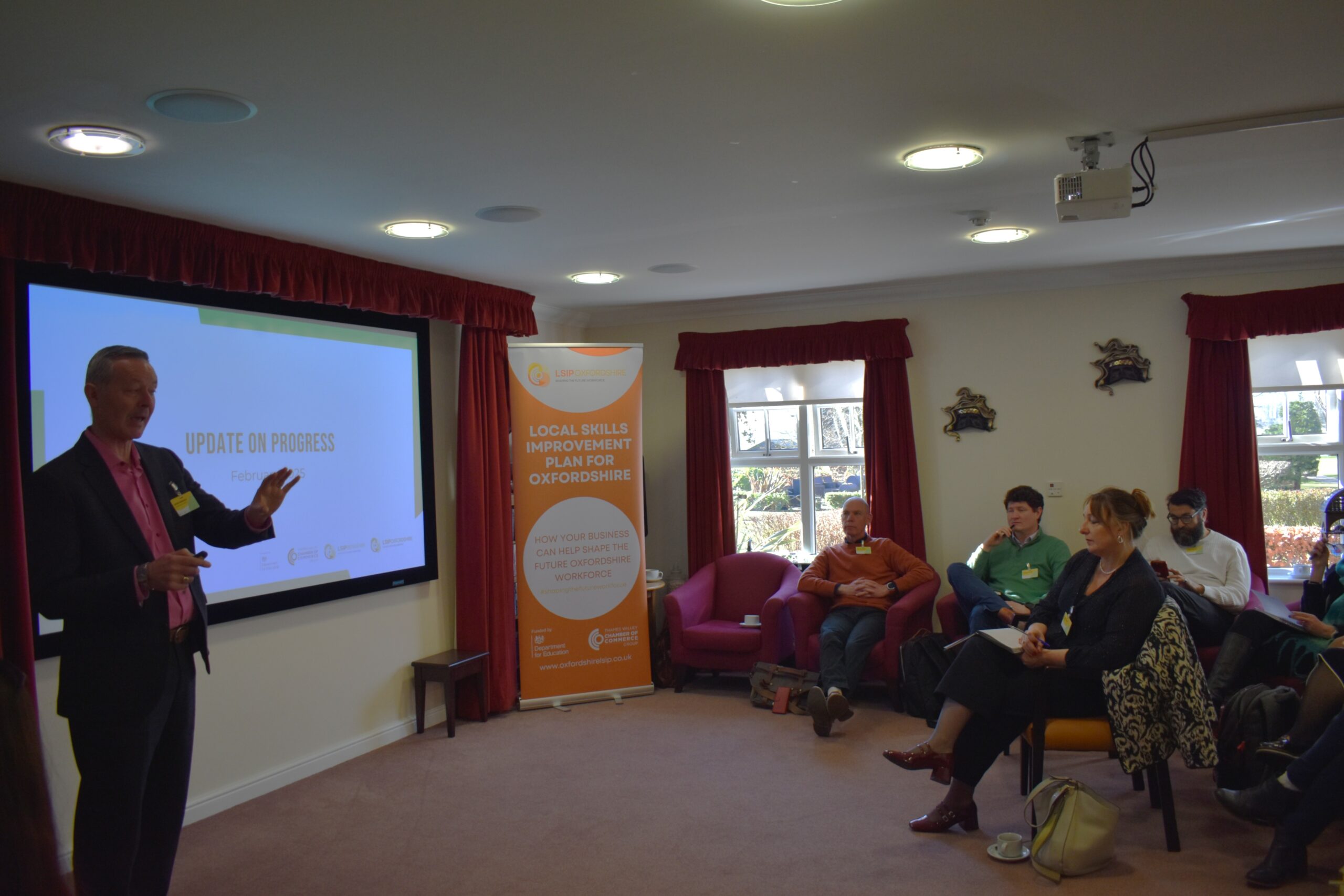
The latest Care Workforce Development Partnership meeting took place on 18th March, bringing together employers, educators, and industry experts to discuss workforce challenges, skills development, and collaboration. Employer Champion Sanjay Dhrona opened the session by recognising the importance of every individual working in care, whether in frontline roles or behind the scenes, and the need to blend hospitality with clinical skills to deliver high-quality care. The Careers Festival initiative was introduced as an opportunity to promote the sector’s diverse career paths and encourage best practice sharing.
Labour’s policy direction was discussed, including economic growth plans, devolution changes, and new skills funding structures. The role of Skills England in aligning education with workforce needs was highlighted, alongside the introduction of new qualifications in 2025. The Local Skills Improvement Plans (LSIPs) will continue shaping training strategies, with stronger links between businesses and local authorities.
Workforce development was a key focus, with the Department for Work and Pensions (DWP) outlining plans for sector-based work academies to support recruitment. A ‘speed-dating’ networking event between employers and jobseekers was suggested to help fill vacancies, though transport barriers—particularly in Oxfordshire—were recognised as a challenge. Flexible job design was raised as a way to improve accessibility.
Rachel Reid shared the latest Skills for Care insights, reporting a drop in vacancy rates and high staff retention within the sector. The Adult Social Care Learning and Development Support Scheme (LDSS) was discussed, providing funding for training courses, with applications open until March 2025. The introduction of a Level 2 Adult Social Care Certificate aims to standardise training, while a new workforce strategy will outline clearer career pathways and leadership development opportunities.
Planning for the Careers Festival gained momentum, with broad agreement on a September date to maximise student participation. Educators, parents, and careers advisors will also be invited to ensure a well-rounded understanding of opportunities in care. A working group was formed to oversee planning, with a focus on securing a keynote speaker with sector experience.
Looking ahead, we discussed the growing need for digital skills in care and the potential for an educational platform that mirrors workplace technology. Employer-educator collaboration remains a priority, ensuring that training meets industry needs and that teachers are supported in keeping up with sector developments. The importance of early careers awareness and structured leadership training was also highlighted.
The meeting wrapped up with a commitment to progressing these actions, with further discussions planned to ensure care remains an attractive and sustainable career choice.
Related Posts