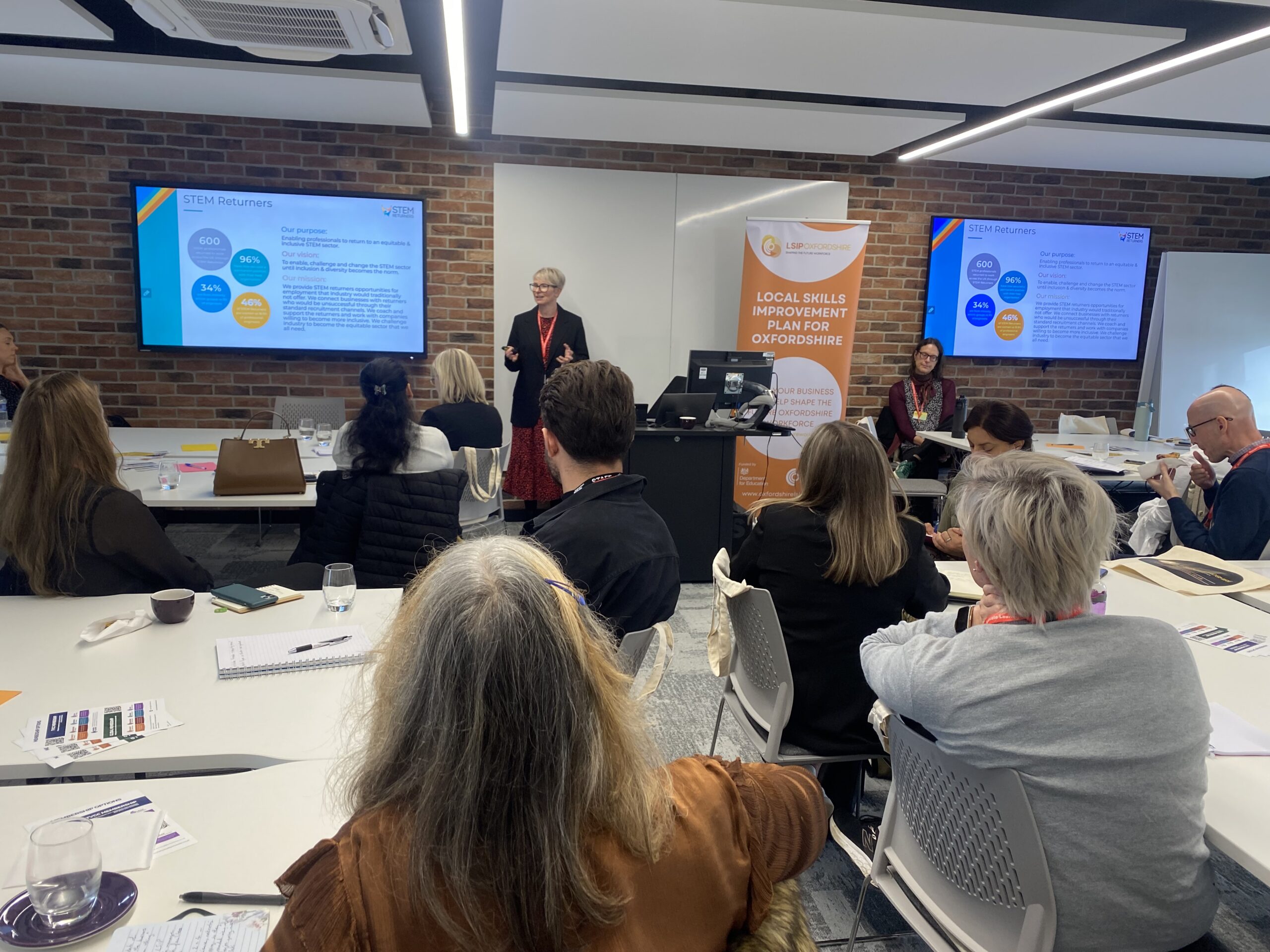
At the Science & Manufacturing Workforce Development Partnership meeting held on 18 September 2025, attendees…

Manufacturing, Science and Innovation Workforce Development Partnership
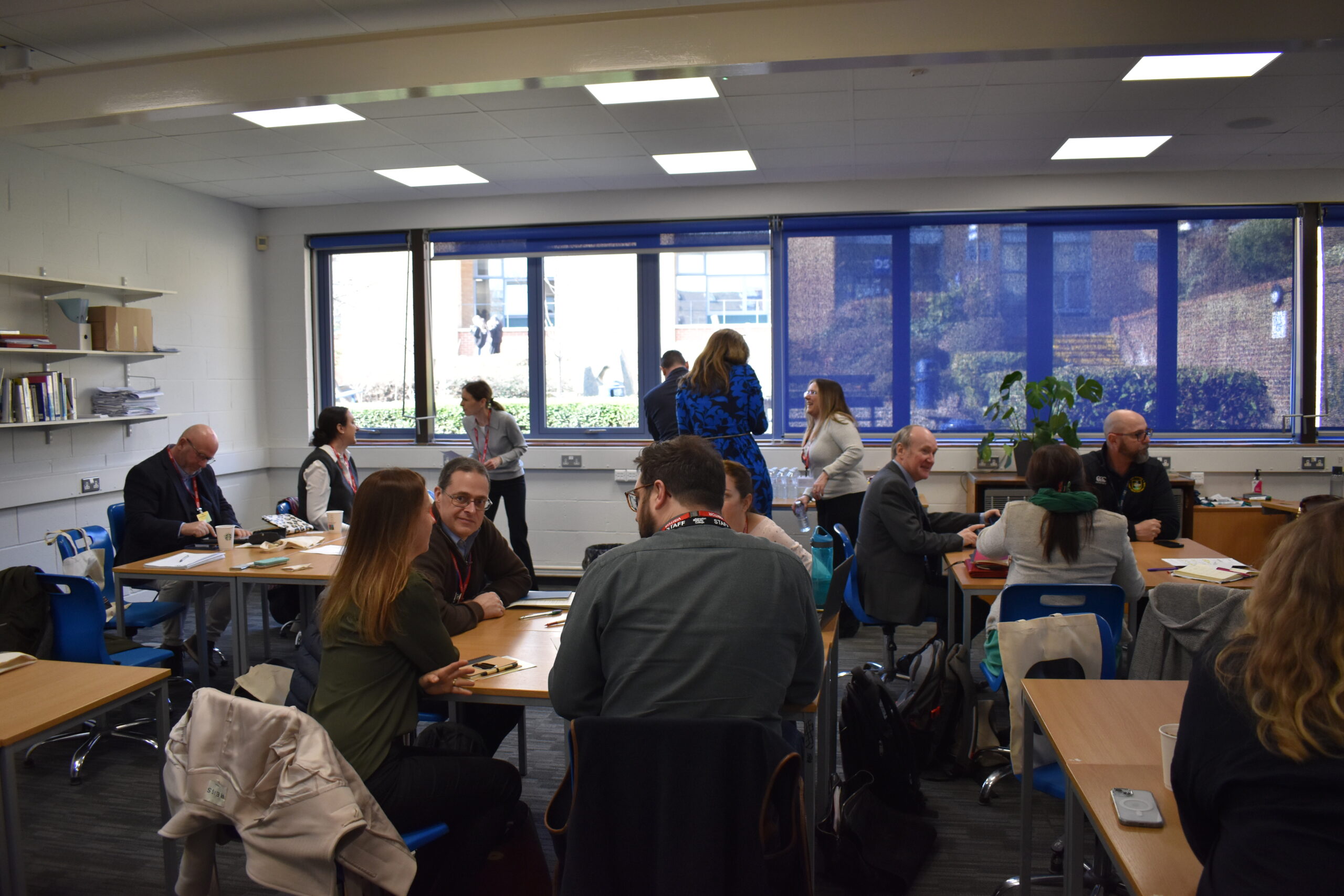
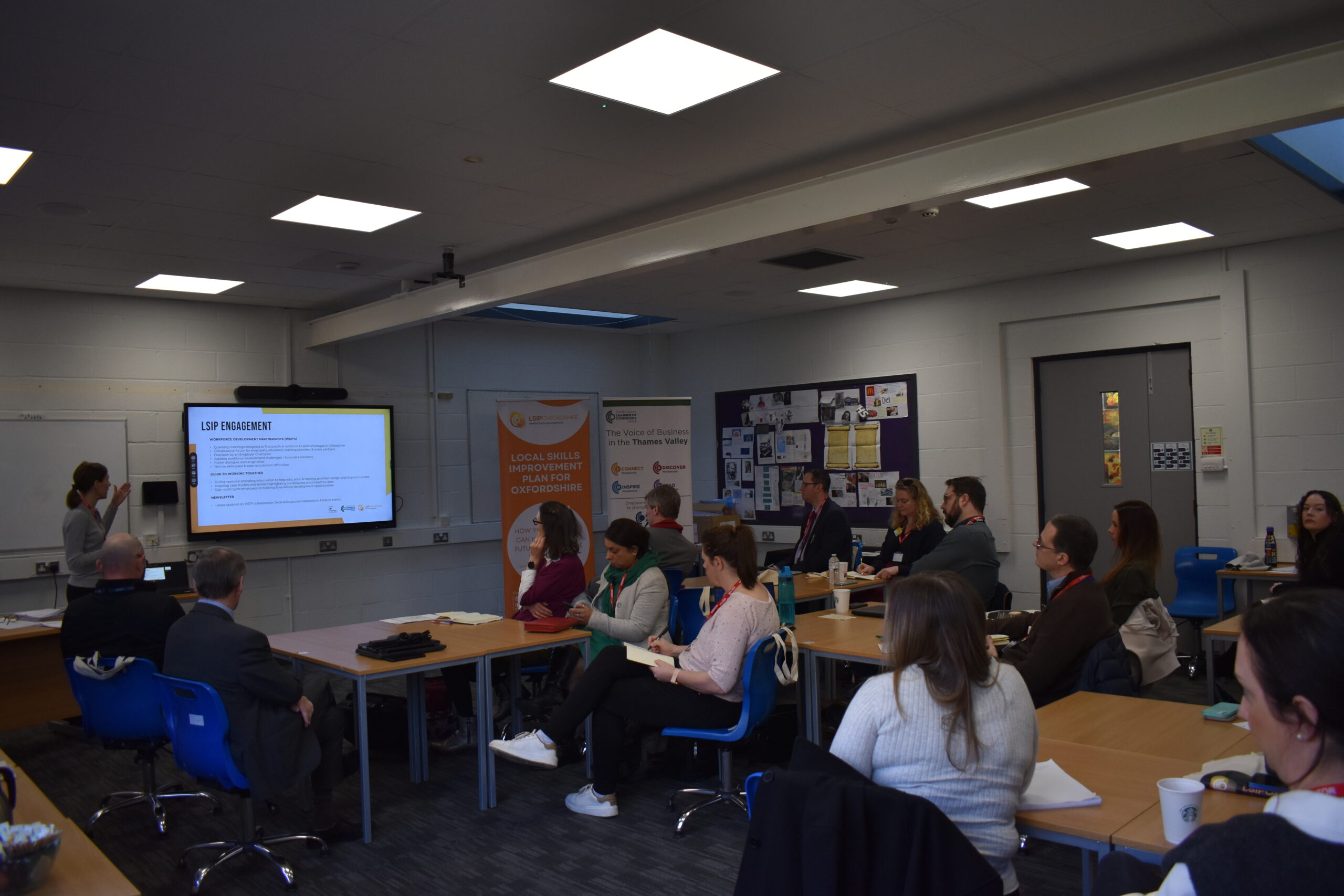
On 6th March, we came together for the latest Manufacturing, Science & Engineering Workforce Development Partnership meeting, focusing on skills, training, and industry collaboration. We started by welcoming Caroline Wood from UKAEA as the new Employer Champion, before hearing from the Chamber of Commerce about the support available to businesses, including training, networking, and international trade.
We then had an update on the Local Skills Improvement Plans (LSIP) in Berkshire and Oxfordshire, which continue to make progress in addressing skills gaps. Recent developments include a Net Zero Skills Hub, new robotics and AI courses, and expanded opportunities in green construction. One particularly interesting project involved students from The Henley College who have built a rocket and are looking for a test launch site—if anyone has suitable land, they would welcome the opportunity.
The policy update focused on Labour’s economic growth plans, upcoming changes to local governance, and the extended funding for LSIPs, which will now run until 2027. The aim remains the same: to align business needs with national and regional priorities, with employers continuing to play a key role in shaping workforce planning.
Discussions on manufacturing and engineering skills in Oxfordshire reinforced the importance of T Levels and apprenticeships in addressing shortages. There is currently a lack of providers for key technical training in areas such as Maintenance, Installation, and Repair, while employers have also highlighted the need for apprenticeships in roles like Product Development Manager and Senior CAD Engineer. Alongside technical skills, employability skills such as communication and teamwork were seen as essential.
Some positive steps have already been taken. A Manufacturing Roundtable with the Institute of Physics has helped address industry concerns, and new qualifications, including the Battery Manufacturing Technician (Level 3), are now available. Work is also underway to develop a clearer picture of training provision, making it easier for employers to find the skills support they need. There was also discussion around the perception of apprenticeships, particularly among parents, and how to ensure they are seen as a valuable career route.
During the wider discussion, several key issues were raised. Many employers, particularly SMEs, need better information about qualifications and pathways, and clearer engagement with education providers could help align training with business needs. There was also a focus on how best to attract mid-career professionals, improve online resources, and explore different ways of delivering training.
The meeting ended with an update on industry projects, including the UKAEA Oxfordshire STEM Engagement initiative and the Institute of Physics Semiconductor Project, both of which provide opportunities for businesses to get involved.
Looking ahead, we will continue to develop a regional priorities plan, addressing key themes such as improving awareness of career pathways, expanding engagement across the region, and supporting both new and experienced professionals in the sector. These discussions are an important step in making sure businesses can access the skills they need, and we will pick up on these topics in our next meeting.
Related Posts