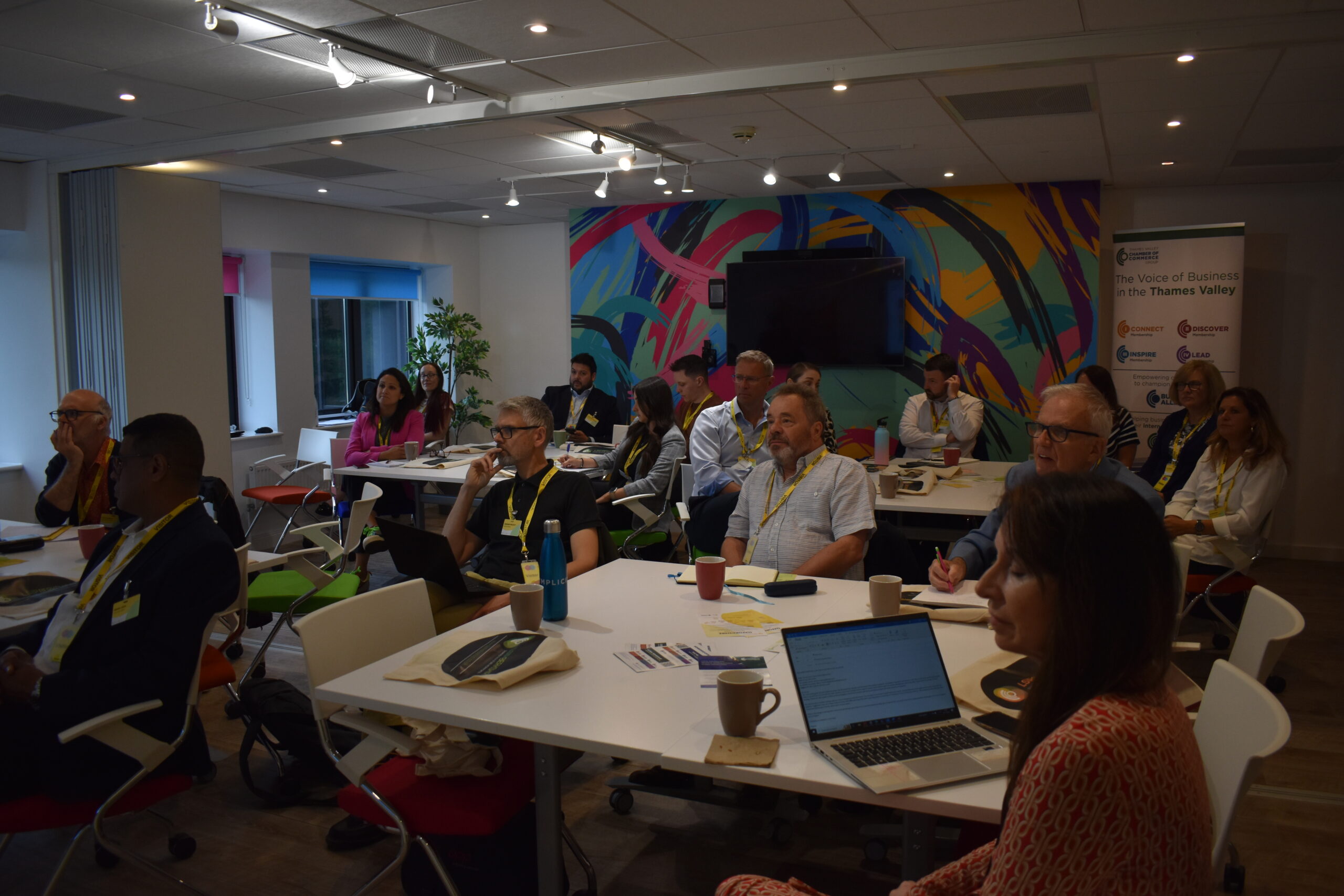
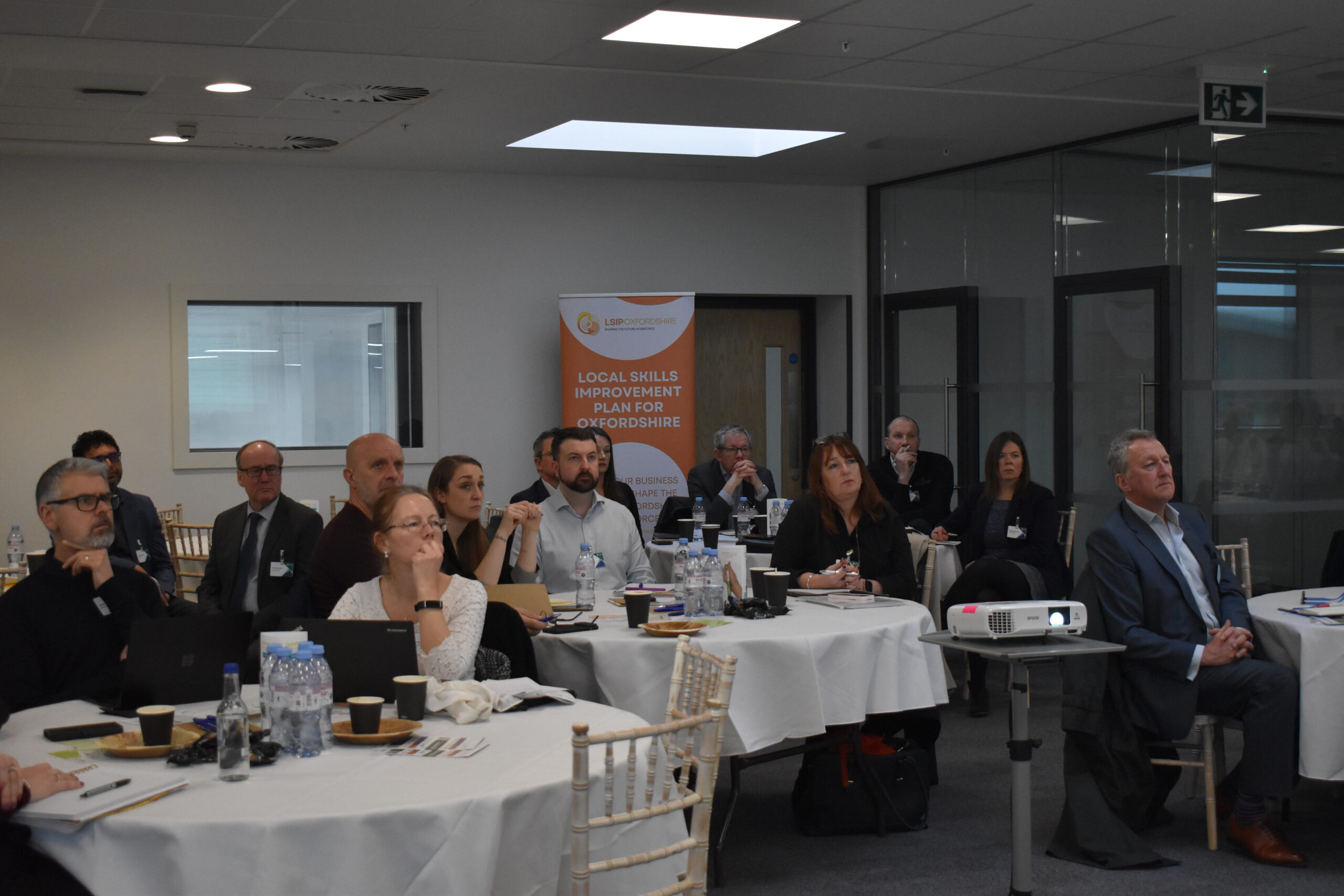
An engaging and well attended 3rd meeting of the Health and Life Sciences Workforce Development Partnership…



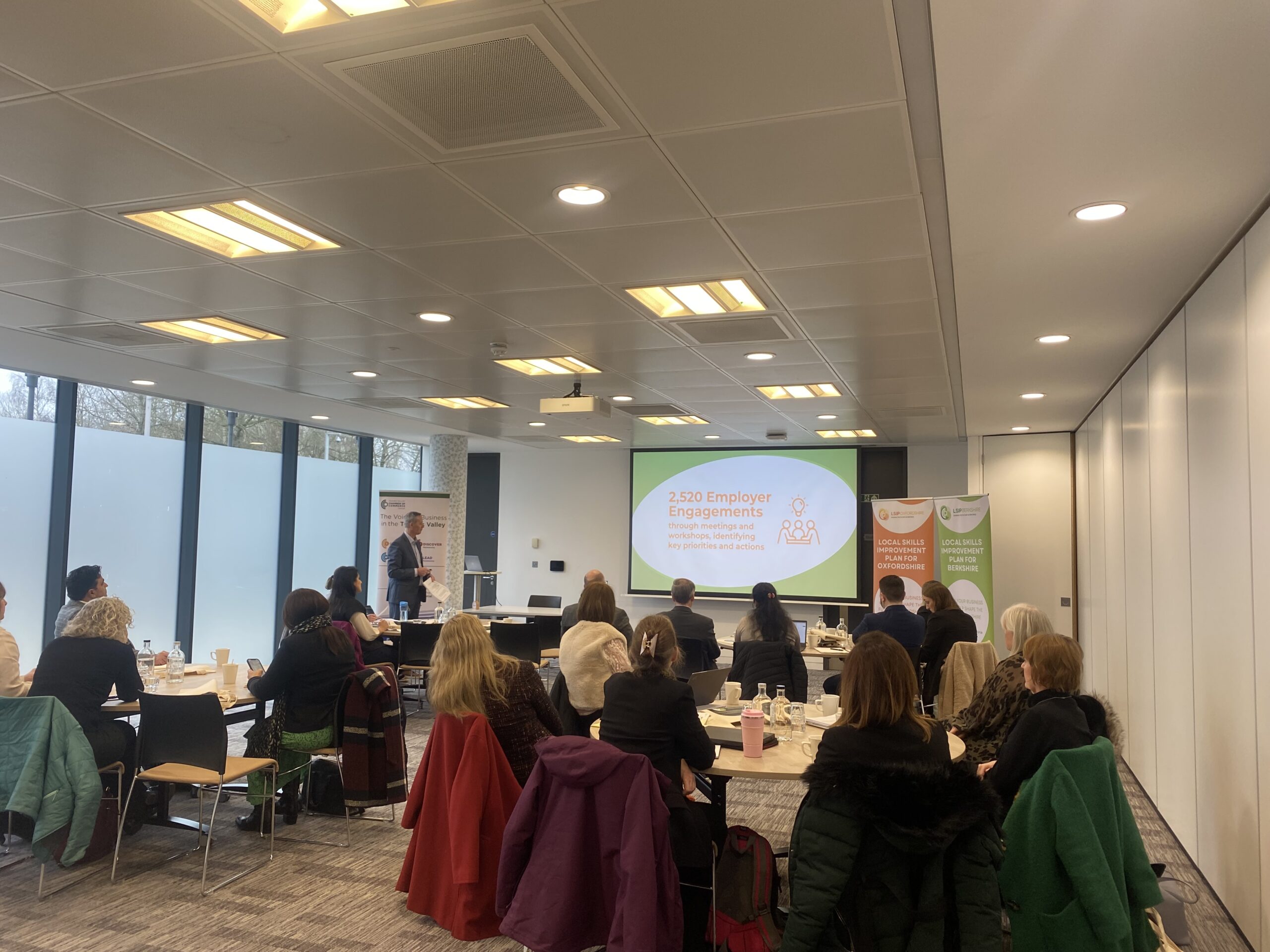
Health & Life Sciences Workforce Development Partnership
The meeting began with a welcome and an update from Employer Champion Tanya Jenkins of Lonza Biologics, who discussed Lonza’s relocation and emphasised the importance of collaboration between employers and educators to secure the future workforce.
Local Skills Improvement Plans (LSIPs) continue to drive collaboration between employers and education providers to address skills shortages and support local economic growth. Labour’s policy agenda focuses on economic growth, local authority empowerment, and skills funding reform, aligning with the forthcoming Industrial Strategy White Paper. Skills England, launching in 2025, will map skills needs, engage stakeholders, and ensure training aligns with workforce demands. New qualifications in priority sectors such as health and technology will also be introduced.
Activate Learning’s Science Advisory Board has held initial meetings discussing degree apprenticeships and skills alignment. Further discussions are taking place regarding the potential for a single employer advisory board to streamline engagement with education providers, although competition between providers remains a challenge. The next meeting on 8 May at City of Oxford College will coincide with the launch of new laboratories and will focus on ensuring training provision aligns with industry needs.
Employers and education providers need further dialogue to clarify employer requirements at different qualification levels to guide training provision effectively. Communication between businesses and education providers must be improved, recognising that the business and education cycles do not always align. Employers are increasingly looking for transferable skills over sector-specific training, and Bootcamps can provide a route to upskilling existing staff. Leadership and management skills are in high demand, particularly for professionals who are promoted into managerial roles without leadership training. Degree Apprenticeships incorporating management training were mentioned as a potential solution. There is also strong demand for AI, electronic systems, and digital skills, particularly within the NHS. Activate Learning is seeking to engage businesses in Level 6 apprenticeships.
OxLEP is awaiting confirmation on Wave 6 Bootcamps, delaying procurement of the Data Analytics Bootcamp. Berkshire LEP has proposed an expanded programme to support over 1,000 learners from April 2025. Employers were encouraged to participate and help shape the offer.
The Teacher Trades (Give an Hour) initiative was not seen as the most effective method for upskilling FE staff, although the Teacher Encounters Programme and Industry Educator Programme may offer better support. Colleges continue to develop staff internally through project-based learning. A strong network between education and employers was highlighted as essential to improve information sharing, signposting opportunities, and strengthening links. Two-way learning was seen as beneficial, allowing employers to recognise the skills students are developing. With new job roles still emerging, identifying future skills needs remains a challenge. Careers education is widely regarded as crucial but remains underfunded. Concerns were raised about the overlap between T Levels and apprenticeships, making integration difficult.
A review of skills survey findings was shared, with speculation that results may change in 2025 due to anticipated amendments to the Employment Rights Bill.
Employers with an annual PAYE bill over £3 million can transfer up to 50% of unused Apprenticeship Levy funds to support SMEs, charities, and social enterprises. Reforms will allow up to 50% of levy funds to be used for non-apprenticeship training in key areas such as digital skills, green jobs, and healthcare, with the remainder dedicated to apprenticeships. Some Level 7 apprenticeships may lose funding as resources shift towards lower-level training to support younger workers. Skills England will oversee these changes from April 2025.
Actions agreed in the meeting include exploring the feasibility of a single advisory board to optimise employer engagement, improving student awareness of career pathways and opportunities, supporting Bootcamp graduates into employment, developing frameworks to enhance employability and transferable skills, and identifying training options for leadership, AI, and digital skills development.
Related Posts