
At the most recent Construction Workforce Development Partnership meeting on the 8th May, attendees focused…





Construction Workforce Development Partnership
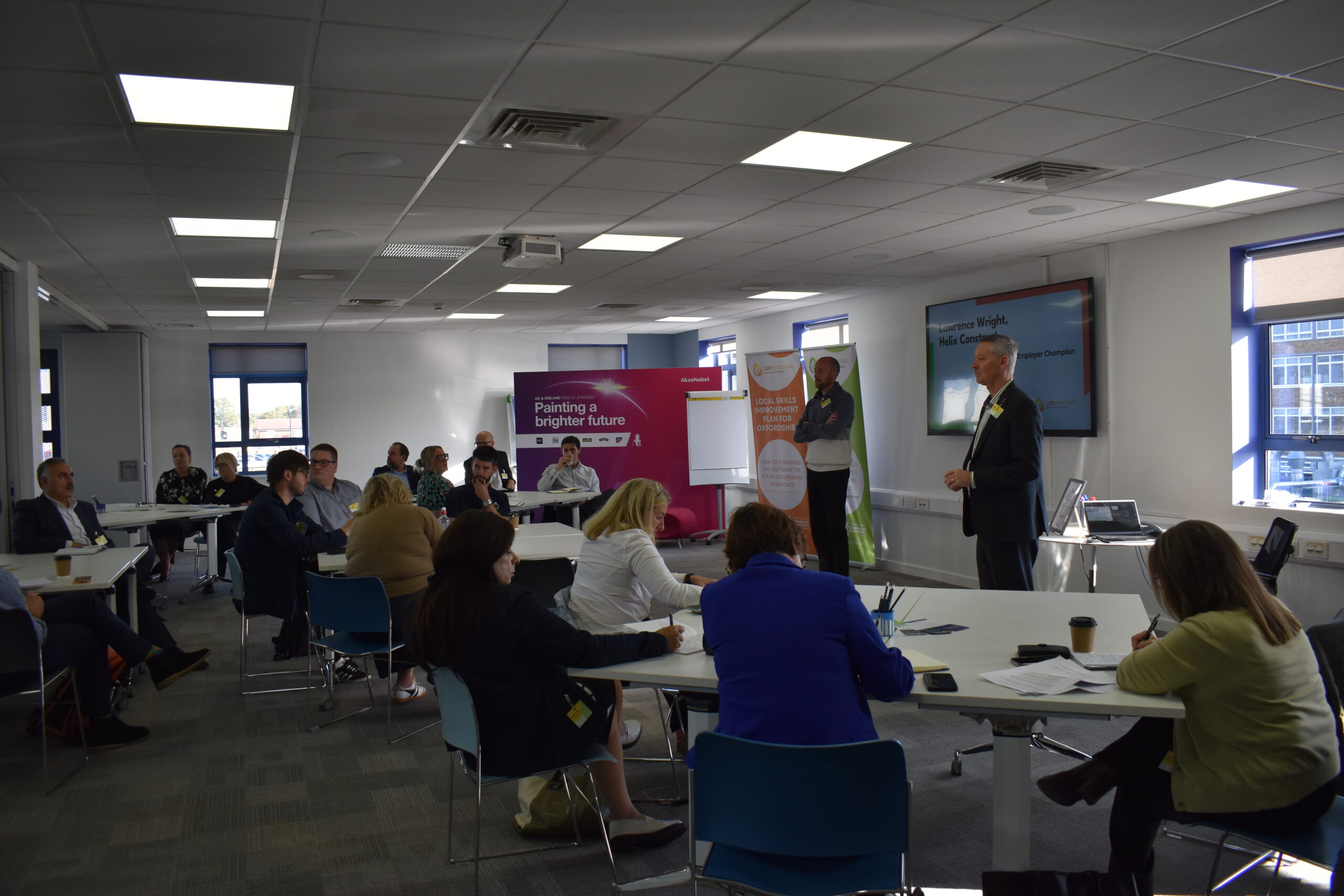
At the Construction Workforce Development Partnership meeting held on 9 October 2025, attendees reviewed the current state of the construction sector, noting that progress had largely stagnated in 2025. Rising build costs, public sector delays, and decision-making bottlenecks were highlighted as key challenges, despite significant funding allocations for affordable housing. The newly appointed Housing Minister’s engagement with planning and safety issues was expected to improve delivery in 2026, but concerns were raised that current skills shortages would become more acute as building approvals accelerate. The forthcoming Future Skills Roundtable on 10 October 2025 was flagged as a key event to address these challenges.
The purpose of Local Skills Improvement Plans (LSIPs) was reiterated, emphasising their role in creating employer-led solutions, building long-term relationships between local businesses and education or training providers, and co-developing strategies to address local workforce needs. Workforce Development Partnerships (WDPs) continue to underpin this work through regular collaboration, project development, and skills and talent pipeline management.
Vickie provided an update on the Dulux Academy, noting its strategic investment in skills through a purpose-built site delivering over fifty courses, apprenticeships, and CPD opportunities to professional decorators and multiskilled trades. To date, 26,000 individuals have trained through the Academy. The training is delivered by active industry professionals, ensuring relevance, though concerns remain over the closure of painting and decorating departments across construction colleges, potentially exacerbating skills shortages.
The group discussed opportunities for a bid under the Industry Impact Fund to develop an introductory pathway for industry professionals to become trainers or assessors. The proposed pathway would use a framework collaboratively developed by Thames Valley employers and training providers, guiding participants from small qualifications toward formal teaching qualifications if desired. The bid allows up to £500,000 in funding, with up to 15% allocated for project management, and would be led by an employer with support from FE providers and endorsing employers. Benefits include transitioning employees into training roles, improving understanding of workforce skills, aligning training with industry practice, addressing recruitment challenges, and delivering social value outcomes such as local employment opportunities and Section 106 compliance. Flexible, individualised training plans and pilot approaches, including pop-up academies and Bootcamps, were recommended to overcome challenges like staff release costs.
The CoTrain shared apprenticeship model was presented, illustrating how contractors can host apprentices for a minimum 26-week period while CoTrain manages recruitment, payroll, HR, and college administration. Key outcomes include 10% of apprentices completing programmes early, 15% securing early employment with host contractors, 30% receiving salary increases, and 95% remaining in the industry post-programme. Structured support, regular reviews, mentoring, and flexible placements across supply chains help ensure learning objectives are met while addressing workforce shortages and supporting social value obligations.
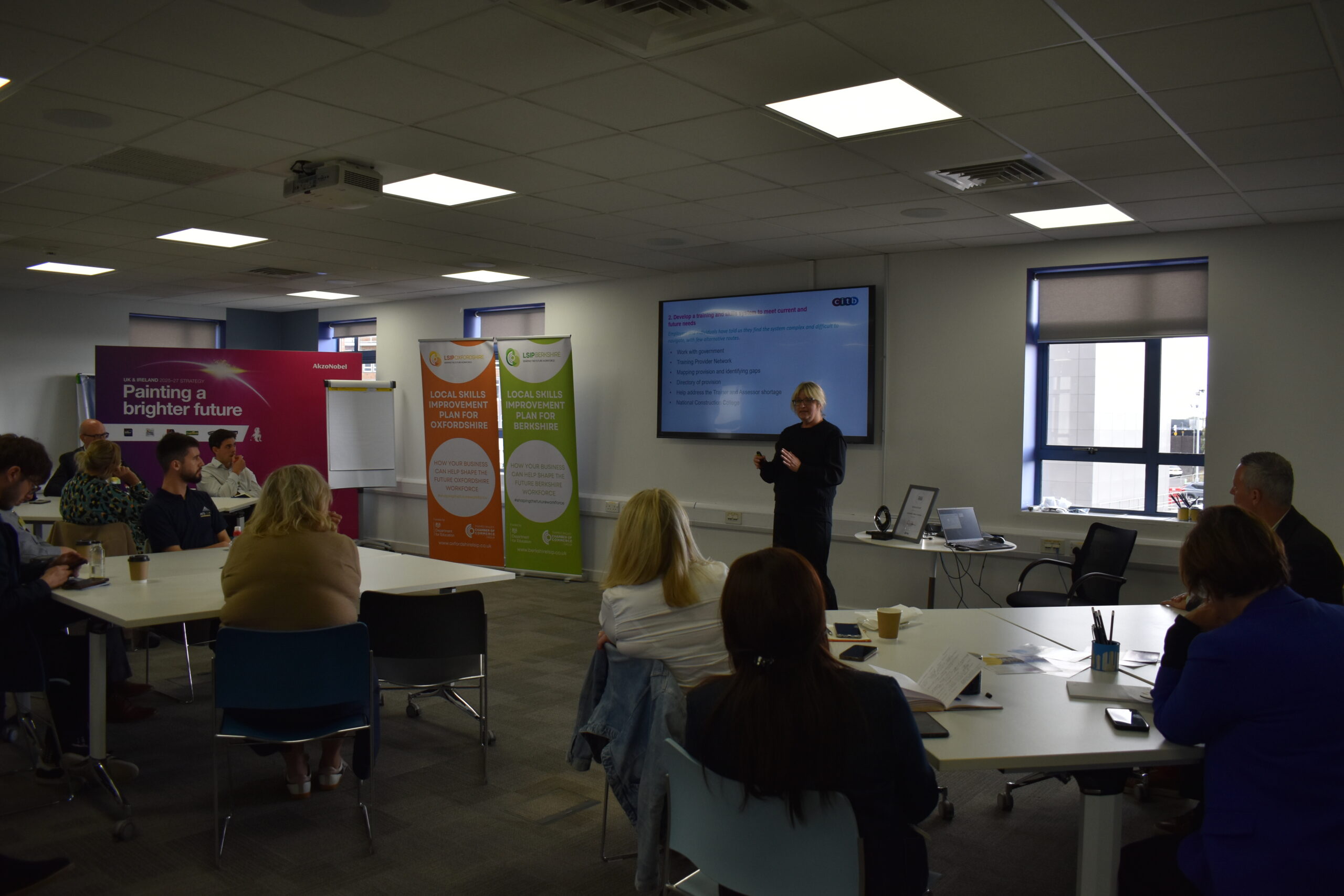
CITB provided an update on their 2025–2029 Strategic Plan, focusing on inspiring diverse talent into construction, developing the training and skills system, and supporting employers to train, develop, and retain their workforce. Initiatives include apprenticeship grants, Travel to Train funding, the Go Construct platform, STEM Ambassadors, CPD modules, quality-assured training through the Training Provider Network, competence frameworks, employer networks, free e-learning, and the Fairness, Inclusion, and Respect programme. Emphasis was placed on in-place workforce support, mapping qualifications, and direct invoicing for employers, with FIR resources soon available via a mobile app.
The meeting concluded with an LSIP 2026 update, confirming LSIPs as a permanent feature of national skills strategy, aligning regional and national priorities, and continuing to place employer engagement at the centre of sustainable skills development. To date, 2,943 employers have participated in meetings and workshops, reaching 94,231 wider contacts. Twenty Employer Champions are leading initiatives, and over 250 businesses actively contribute to WDP activities. LSIF funding of £5 million has supported 45 new courses, benefitting 1,408 learners and providing access to 2,190 new training facilities, with 116 employers contributing to course design. Future priorities include completing LSIP 1.0, progressing LSIP 2.0, deepening employer engagement, aligning with industrial strategy and local authority growth plans, and supporting Net Zero and equality initiatives, while ensuring sector ambitions and skills requirements are met through collaboration between training providers and employers across the Thames Valley.
Agreed actions from the meeting included continuing development of the introductory pathway for industry professionals with potential Skills Bootcamp funding, promoting the CITB Training Provider Network to increase access and quality of regional training, and leveraging CoTrain collaboration to facilitate apprenticeships across employer supply chains.
Related Posts


