
The Manufacturing Workforce Development Partnership met on 22nd May with a strong sense of collaboration,…
Manufacturing, Science and Innovation Workforce Development Partnership
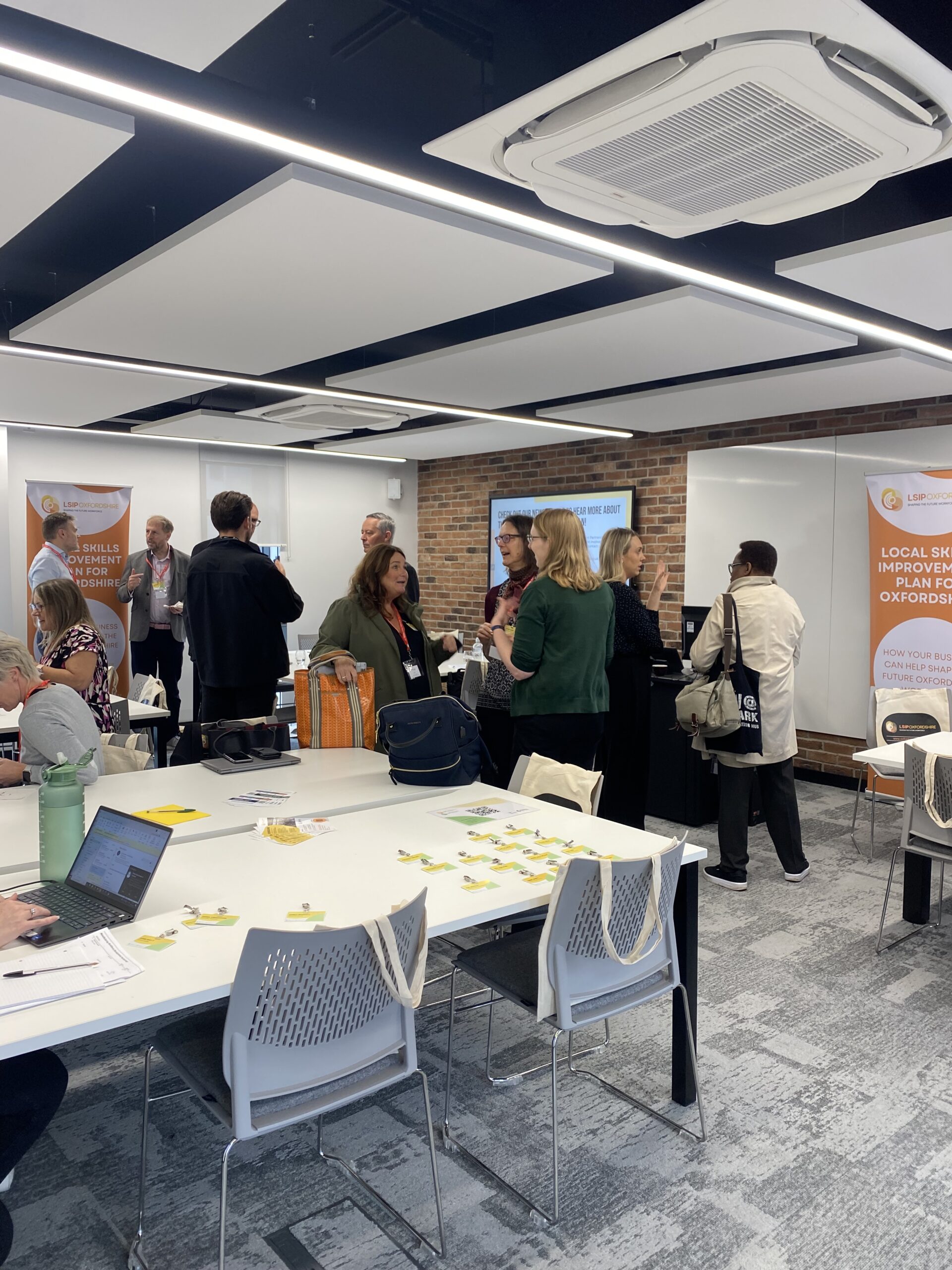
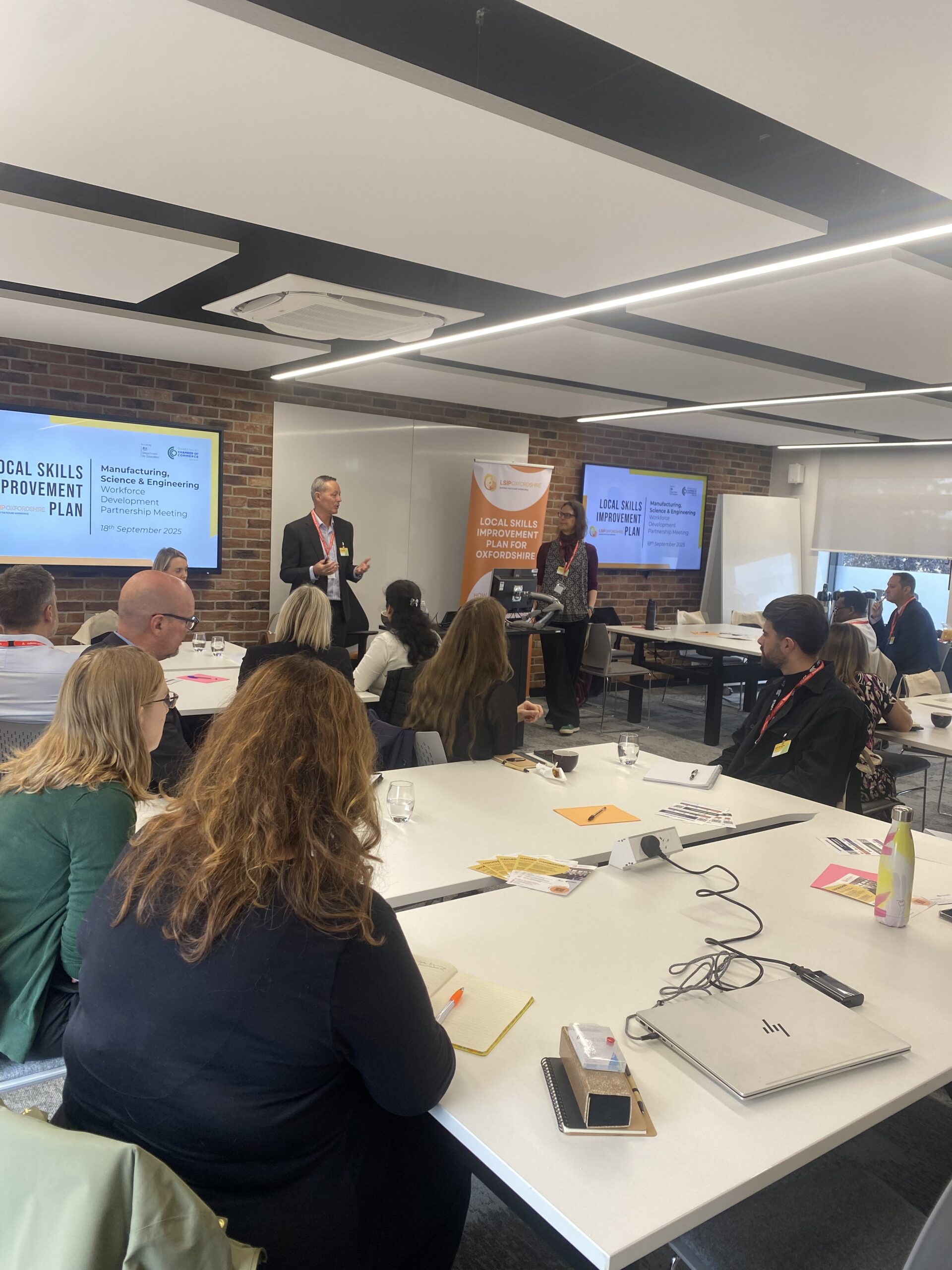
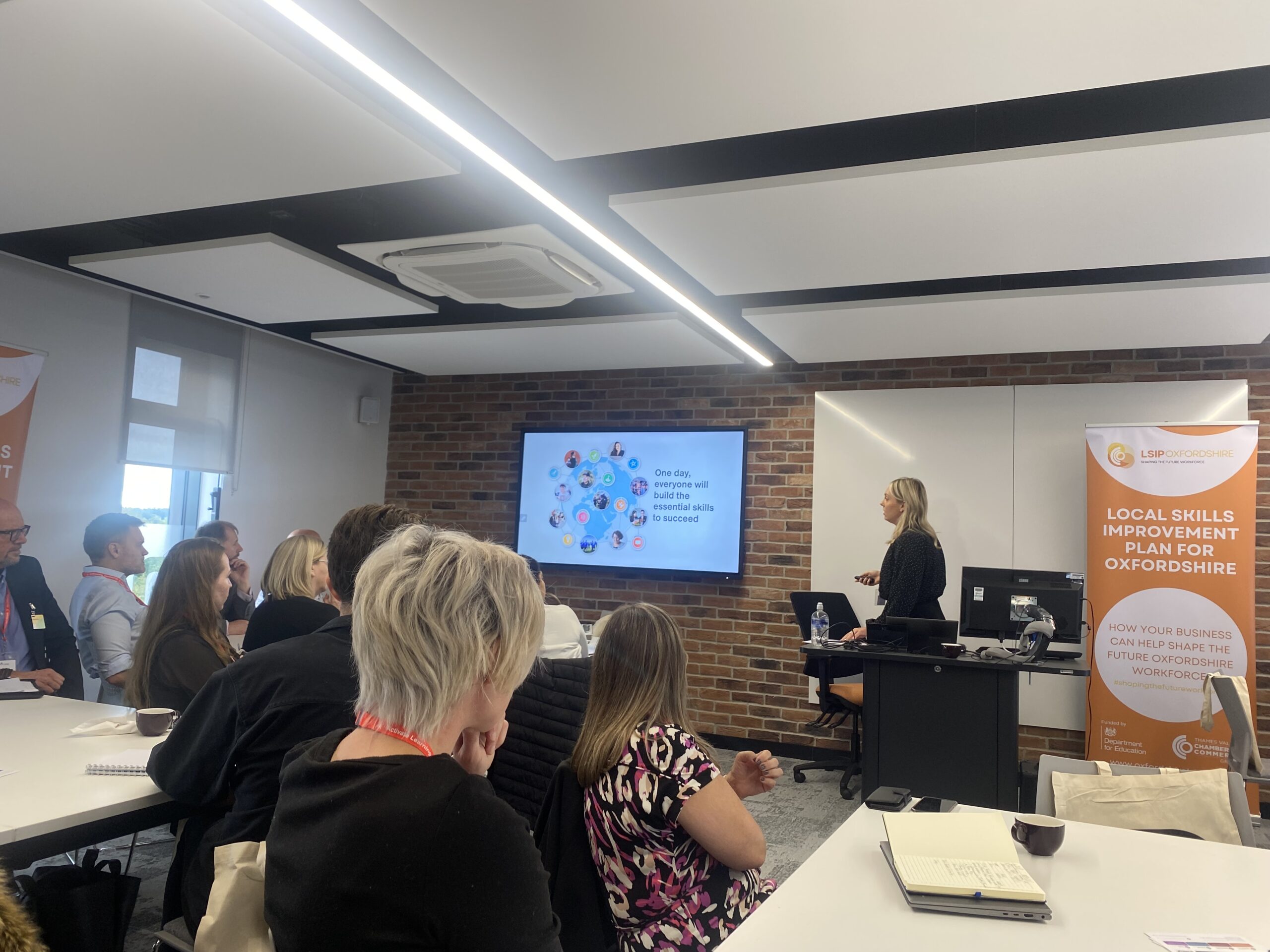
At the Science & Manufacturing Workforce Development Partnership meeting held on 18 September 2025, attendees explored strategies to strengthen the regional talent pipeline, focusing on essential skills development, early STEM engagement, and inclusive recruitment practices. Dr. Caroline Wood opened the session by reiterating the purpose of Local Skills Improvement Plans (LSIPs) as tools to create employer-led solutions, build long-term partnerships between businesses and education providers, and support sustainable workforce development through Workforce Development Partnerships.
Emma Crighton from Skills Builder Partnership joined Dr. Wood to highlight the importance of essential skills in workplace readiness, presenting the Universal Framework which defines eight core skills developed through four stages and sixteen progressive steps. The session emphasised that these skills are critical for both learners and employers, improving job readiness, adaptability, and long-term career outcomes. Findings from the Essential Skills Tracker 2023 showed that low essential skills cost the UK economy £22.2 billion annually, while higher skill levels bring wage premiums, better life and job satisfaction, and greater adaptability to technology, including AI. Examples from Higgins, Morgan Sindall, and Amazon demonstrated how embedding essential skills into recruitment, onboarding, and learning programmes can increase confidence, retention, and productivity, although challenges remain in scaling such initiatives consistently across sectors.
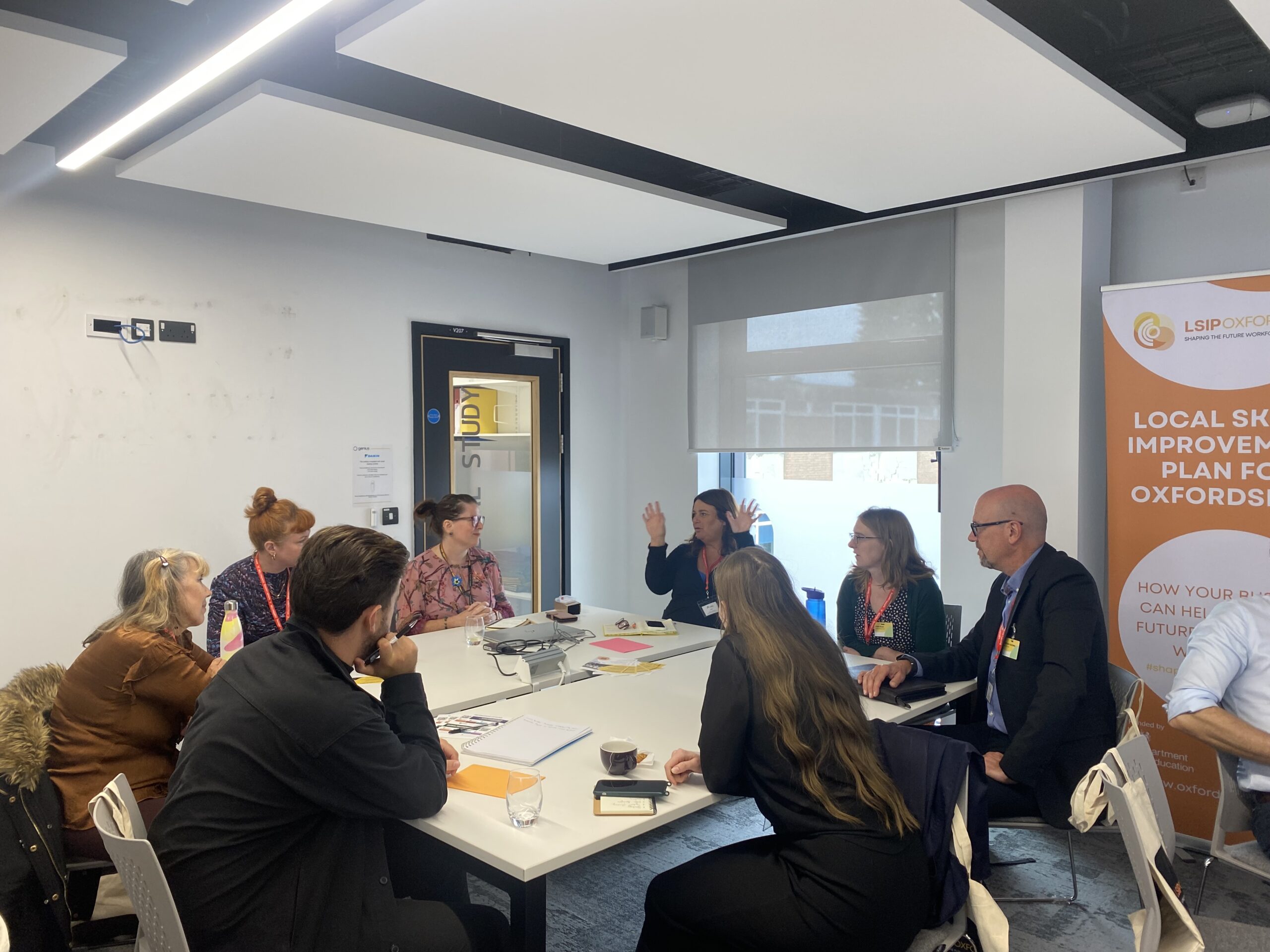
Rebecca Jarvis from Connectr Early Engagement and UKAEA presented findings from the Oxfordshire STEM Mapping Research, showing that developing interest in STEM by age 14 is crucial to future study and career choices. Engagement is currently concentrated in Oxford and Didcot, leaving other areas underserved, and girls, non-binary learners, and students eligible for free school meals remain underrepresented. Schools, employers, and outreach organisations employ a range of activities from assemblies and clubs to work experience and interactive experiments, with differing perspectives on effectiveness. Barriers include limited teacher time, academic timetable constraints, and financial limitations for outreach organisations. Breakout discussions highlighted the importance of starting engagement earlier, including in primary schools, and using LSIPs and Careers Hubs to coordinate activity, broaden participation, and create consistent pathways from school engagement to local employment.
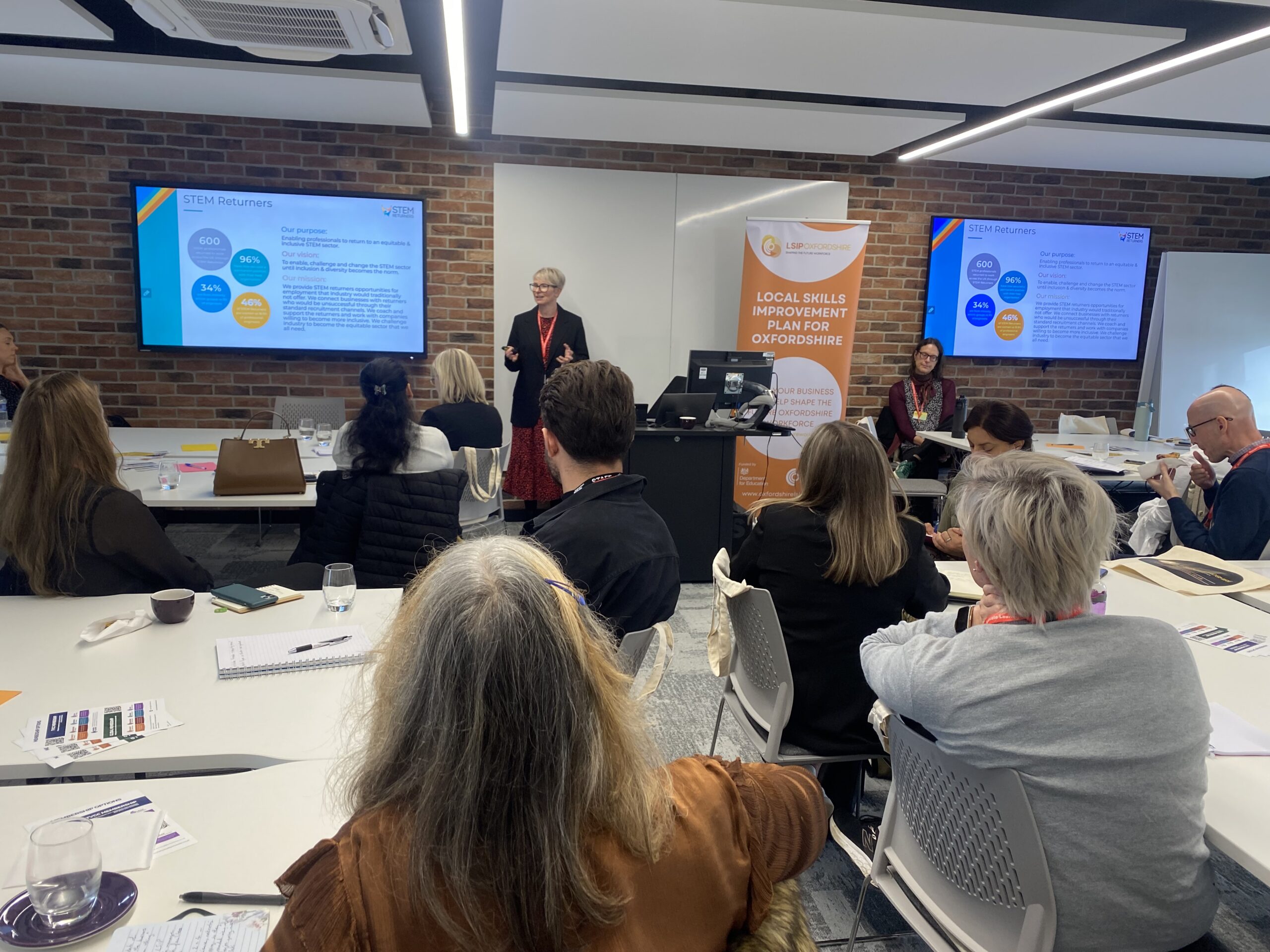
Anouska Carling from STEM Returners outlined how the programme supports professionals returning to STEM careers after a break, connecting them with employers through mentoring, coaching, skills-based CV support, and paid placements. UKAEA’s experience demonstrated that returner placements are cost-effective, address recruitment gaps, and foster inclusion, while offering rapid placement options and reducing organisational barriers.
Simon Barrable from the Thames Valley Chamber provided an update on LSIP progress, noting that nearly 3,000 employers have contributed to engagement activities, with 45 new courses developed through LSIF funding, benefiting more than 1,400 participants and enabling access to new facilities for over 2,100 learners. Looking ahead, LSIP 2.0 will focus on sector growth opportunities, alignment with industrial strategy, Net Zero ambitions, and improving equality of opportunity. Key workforce priorities include collaboration between employers and educators, embedding vocational and essential skills, talent retention, and preparing for hybrid working and emerging technologies.
The meeting concluded with three agreed actions: strengthening school outreach programmes using Connectr research, Careers Hub resources, and Skills Builder materials; considering career break returners when addressing skills gaps, in collaboration with STEM Returners; and expanding the use of skills frameworks, such as Skills Builder, to meet essential skills needs across the sector. Participants collectively recognised that early engagement, cross-sector collaboration, and inclusive recruitment strategies are essential to meeting future skills demands and ensuring long-term workforce sustainability in the science and manufacturing sectors.
Related Posts


