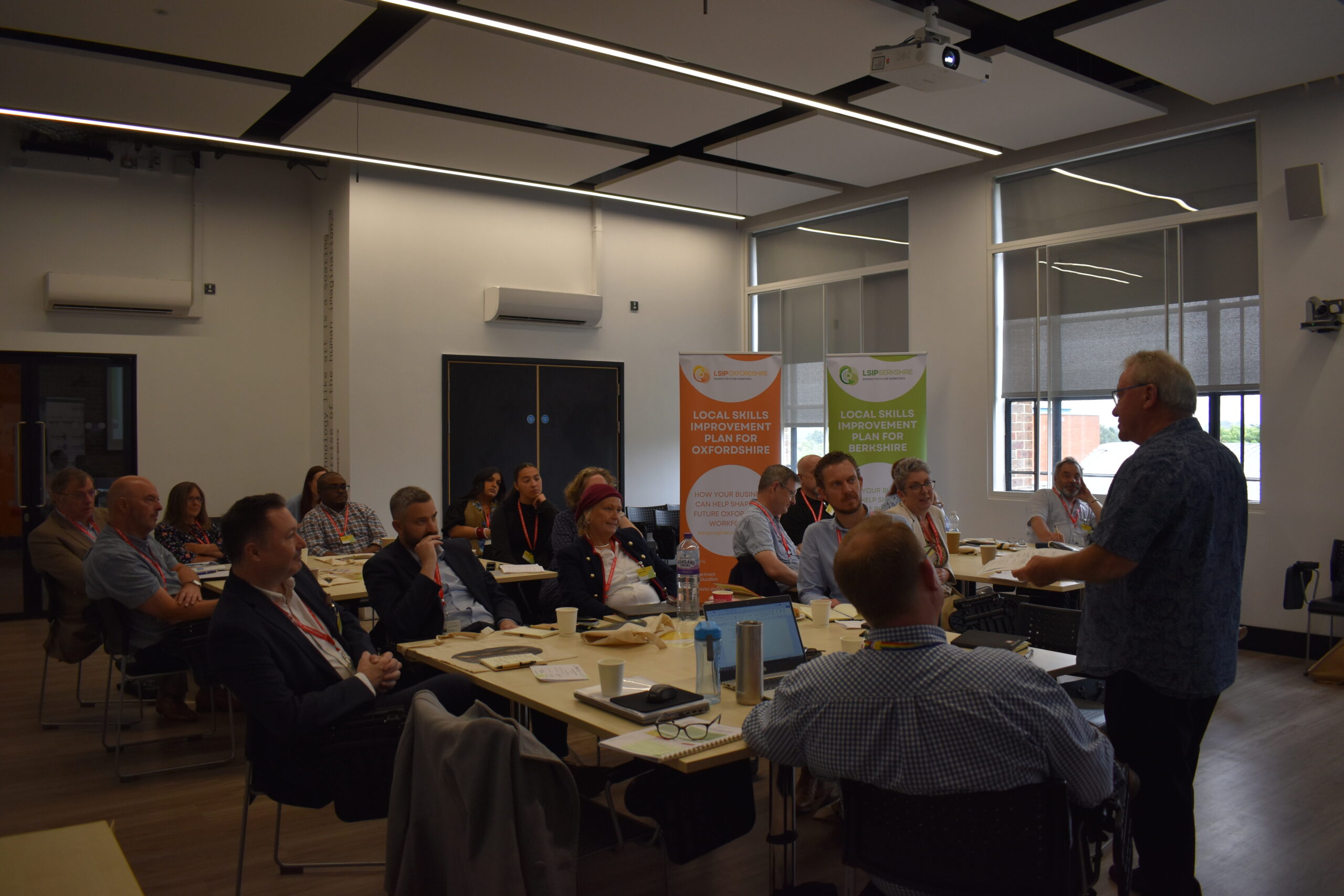
At the recent Haulage and Logistics Workforce Development Partnership meeting, on June 12th, stakeholders from…

Haulage and Logistics Workforce Development Partnership
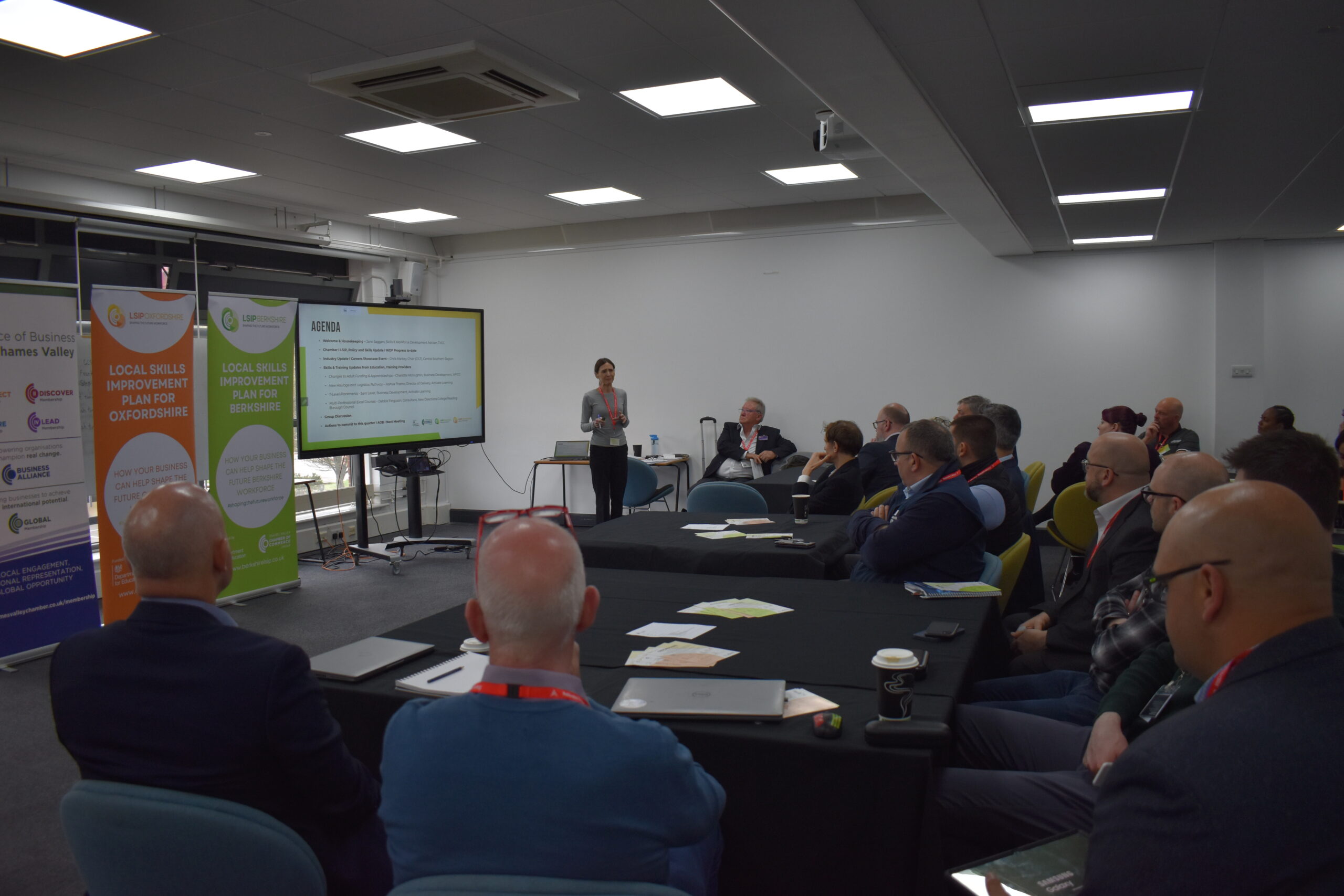
We had a packed and productive meeting on 27th March, where the logistics and transport sector once again took centre stage. The meeting started by sharing the broad support available for local businesses – from international trade and training to networking and raising company profiles – from Thames Valley Chamber of Commerce membership. It set the tone nicely for a day full of updates, insights and forward planning.
There was a thorough update on the Local Skills Improvement Plan (LSIP), and we heard how Labour’s priorities are shaping the skills landscape, particularly around economic growth, devolution, and industrial innovation. The role of LSIPs will continue to grow, through collaboration between employer bodies and strategic authorities, and with funding secured through to 2027. The message was clear – skills development is front and centre in regional and national strategy.
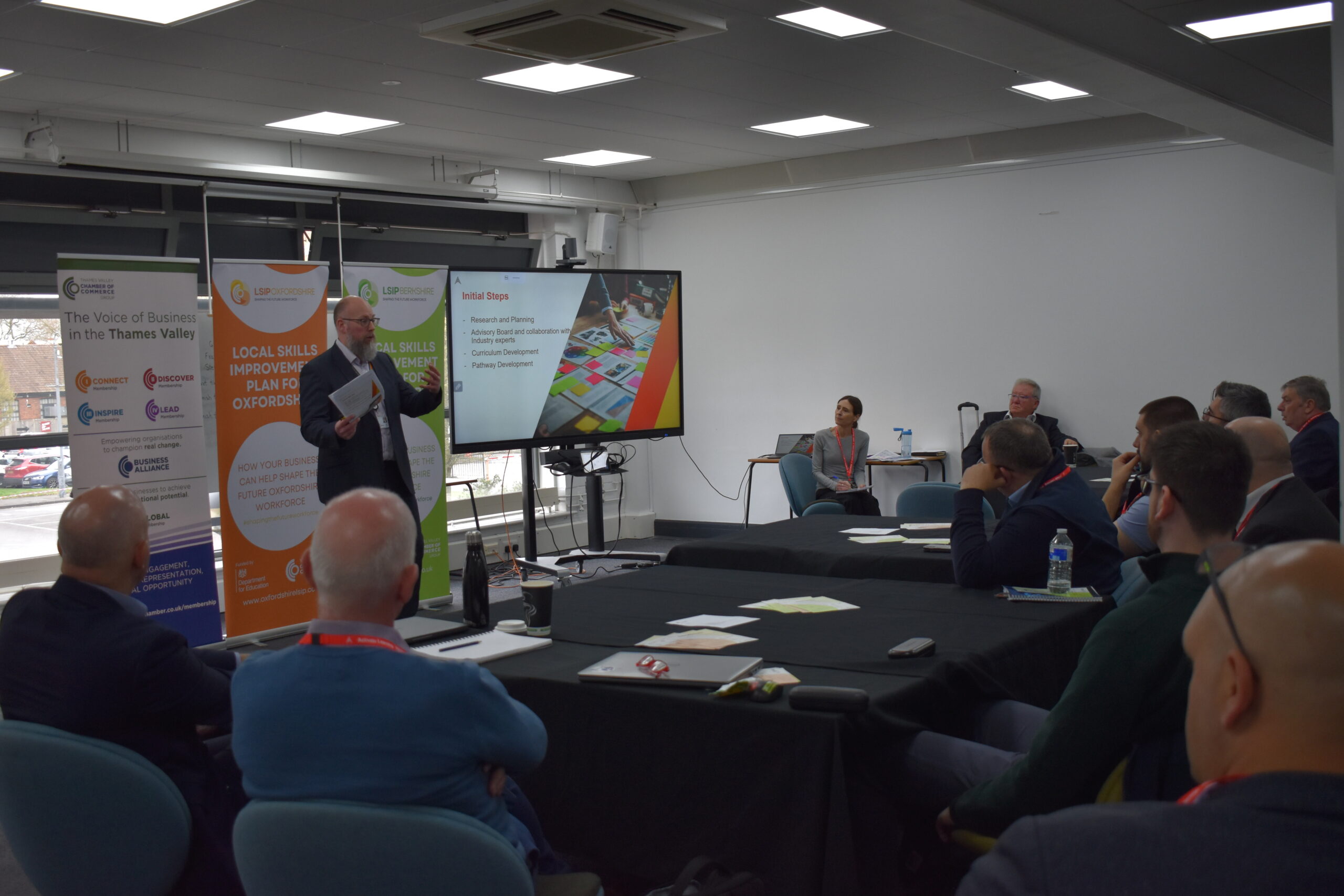
We also looked at how far we’ve come as a Workforce Development Partnership. Since the initial LSIP consultation, we’ve seen strong employer engagement and real traction on tackling skills gaps. Previous discussions around recruitment challenges have led to targeted work, such as Banbury College’s new haulage and logistics pathway, which will launch in 2025, and Skills Bootcamps that are in the pipeline for Oxfordshire.
A real highlight was the update on the Logistics & Haulage Careers Showcase event, which happened the same day at Reading College. It was designed to give learners – including adults and SEND students – a real-world glimpse into the opportunities the sector can offer. It’s all part of a broader push to get more people excited about careers in transport.
Chris Markey from CILT gave a compelling presentation on the future of the transport sector – chronic driver shortages, the rapid pace of technological change, and the need for upskilling across the board. With the sector employing 2.5 million people and facing a potential shortfall of up to 600,000 by 2030, there’s a real need to prepare the workforce not just for today, but for what’s coming next – from electric vehicles to AI-powered logistics.
In group discussions, employers echoed the need for more practical skills in the classroom – things like confidence, communication, teamwork, and leadership. There’s a big appetite for greater collaboration between education and industry, and a recognition that hidden skills like contract management and risk awareness are just as vital as technical know-how. Warehousing also came up, with skills like inventory control and dispatching flagged as key areas.
Joshua Thorne from Activate Learning gave us the inside track on Banbury and Bicester Colleges’ plans for a dedicated Haulage & Logistics curriculum – “Moving the World.” Starting in 2025, the course aims to create a clearer route into the industry, and while there are challenges ahead (like recruiting staff and aligning with employer needs), there’s strong momentum behind it.
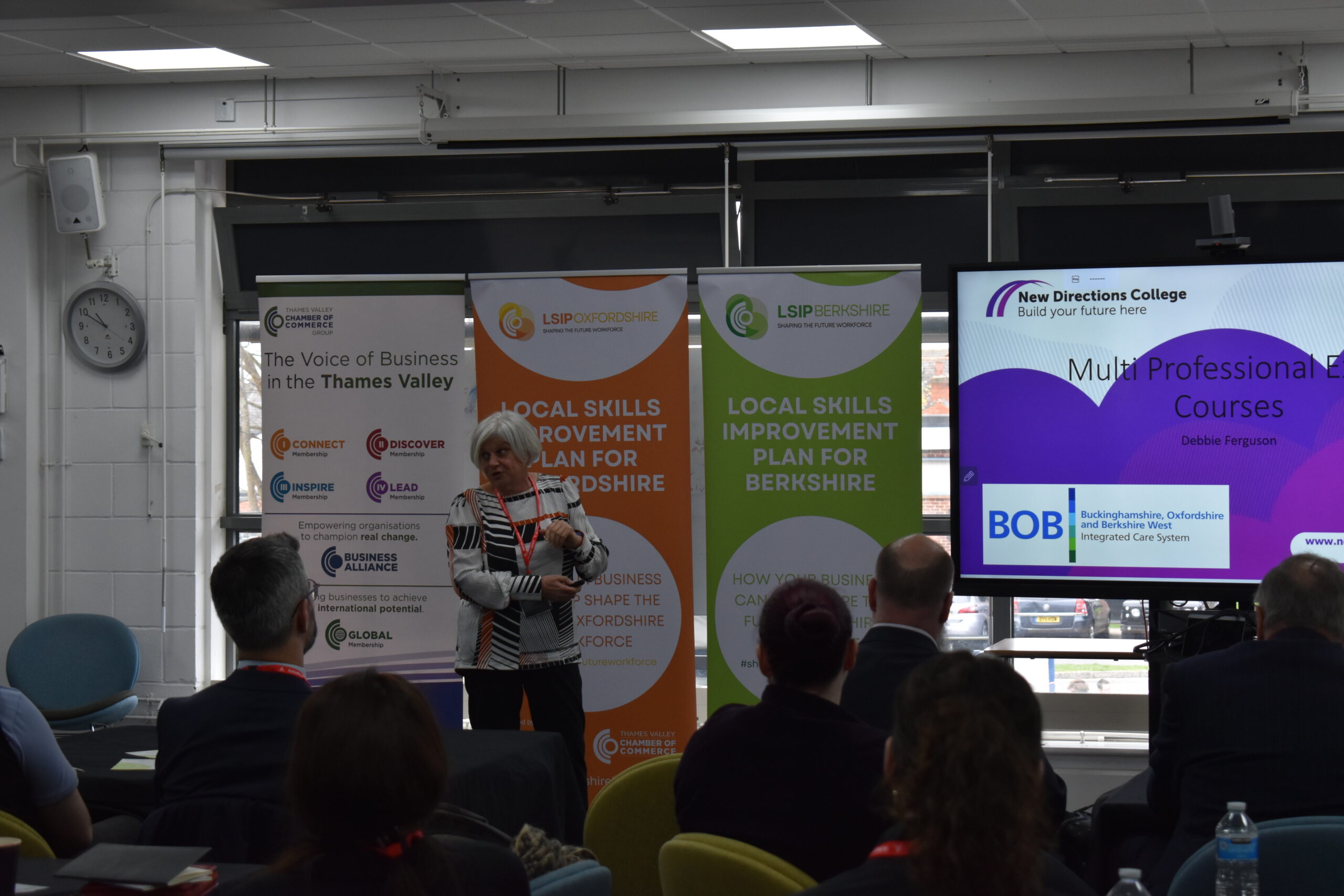
We ended on a practical note with an overview of multi-professional Excel courses – currently used in the NHS – that could be adapted for the logistics sector. The idea is to tailor training to real workplace needs, whether that’s basic spreadsheet skills or advanced data analysis. A pilot’s being explored for later this year, with a full rollout in September 2025.
As ever, the session wrapped up with a reminder of how important employer involvement is – both in shaping training and supporting future meetings. Everyone was invited to get involved, share expertise, and join forces to help build a skilled, resilient workforce for the future.
Related Posts