


AI and the Changing World of Work Forum
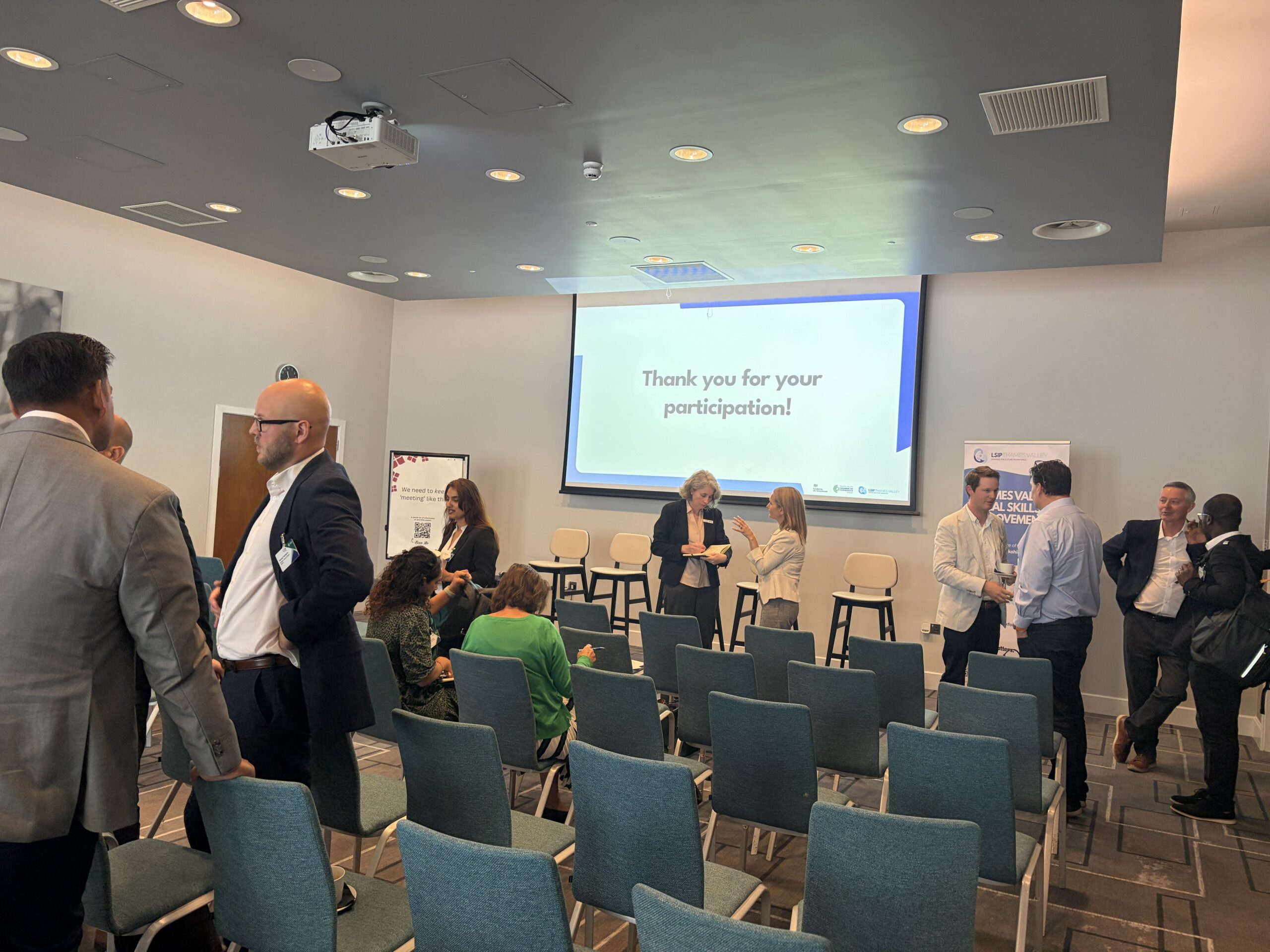
The Thames Valley Chamber of Commerce brought together employers, education providers and industry experts for its AI and the Changing World of Work Forum, exploring how artificial intelligence is reshaping workplaces, skills needs and future career pathways across Berkshire and Oxfordshire.
The event opened with an overview of the Local Skills Improvement Plans (LSIPs), highlighting how employer feedback is helping to shape workforce development priorities across the region. Discussions focused on the skills employers need now and in the future, including digital capability, AI literacy, leadership skills and stronger links between education and industry.
Speakers examined how technological change has transformed work over previous decades and considered what the rise of generative AI may mean for businesses, employees and future workforce planning. Attendees heard how AI is already changing the way organisations operate, creating opportunities to boost productivity, support decision-making and enable new ways of working.
Practical examples showcased how AI is being applied within industry, including the development of domain-specific AI agents, changing approaches to software development, and the growing importance of skills such as communication, adaptability and cross-functional working. Speakers also highlighted the implications for future talent pipelines, with discussion around how entry-level roles, management responsibilities and workplace expectations may evolve.
The forum also explored the ethical considerations of AI adoption, including bias, confidence in AI tools and the importance of developing AI literacy across organisations. Delegates were encouraged to begin building confidence with the tools already available to them and to consider how they can support colleagues to adapt to new technologies responsibly.
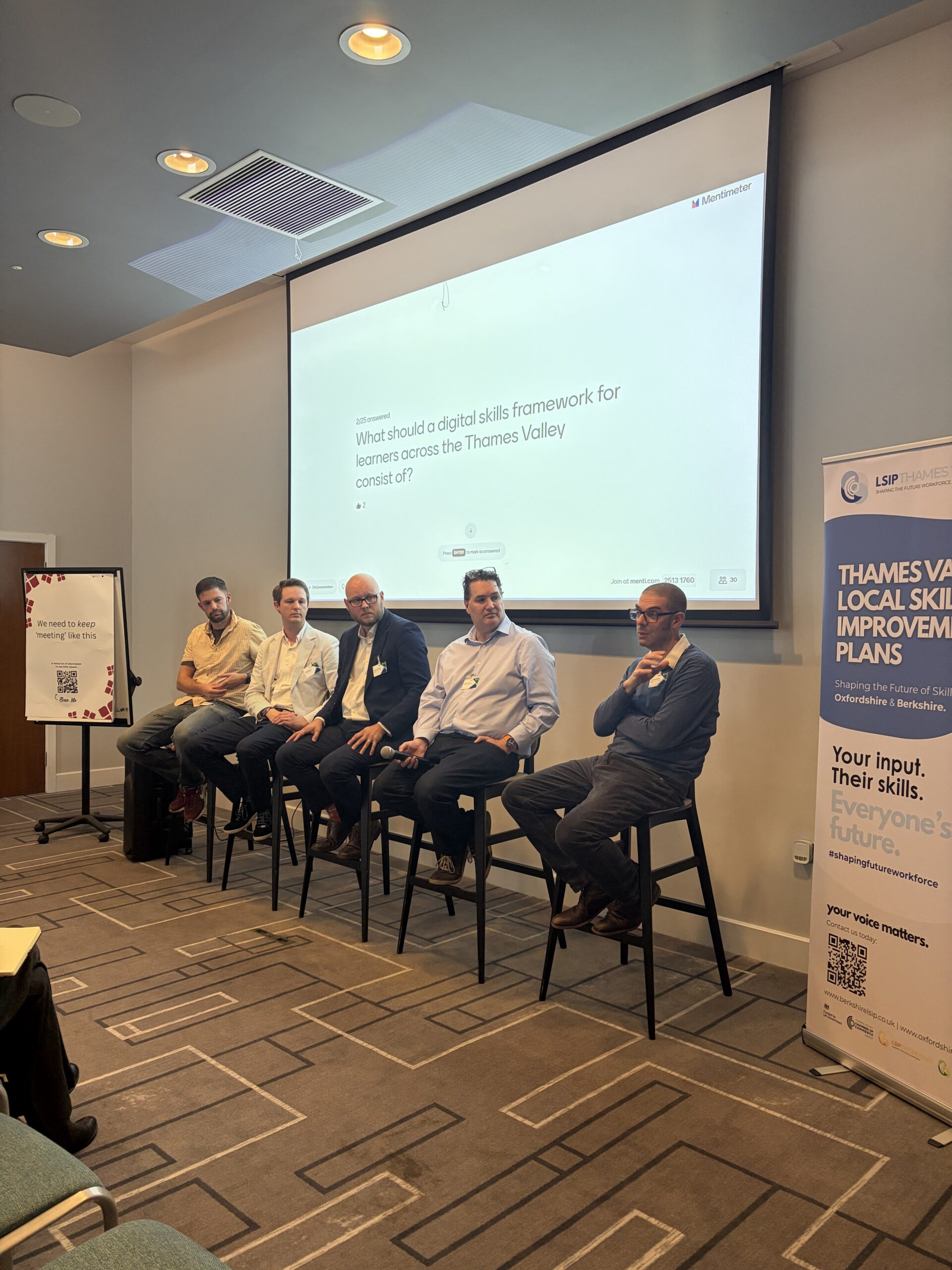
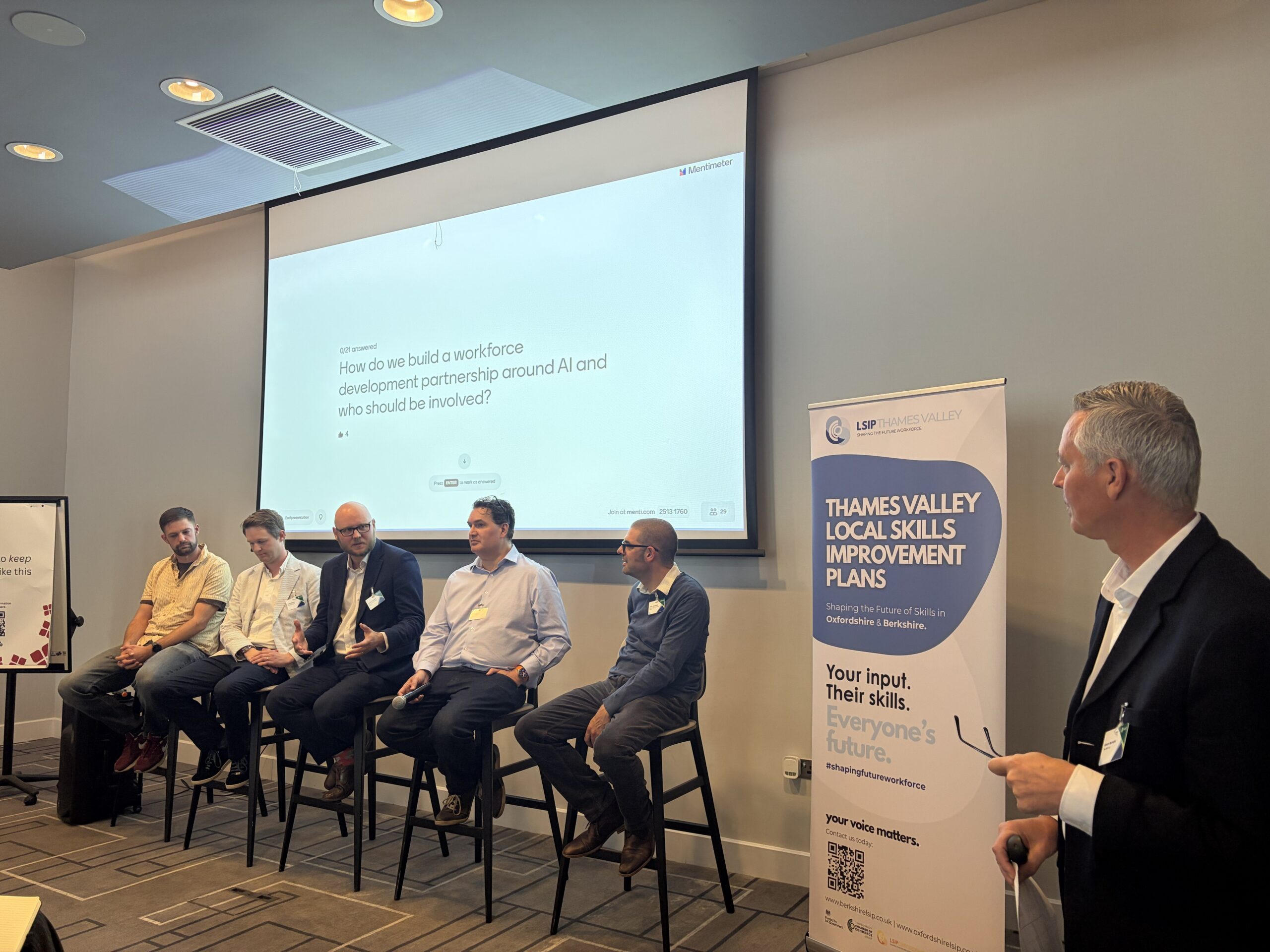
The event concluded with a panel discussion bringing together perspectives from business, education and technology, followed by a conversation on the actions needed to help employers, educators and partners prepare for the changing world of work. Insights gathered throughout the forum will help inform future LSIP activity and support collaborative approaches to developing the skills needed for a rapidly evolving economy.
The discussion highlighted that preparing people for an AI-enabled workplace is about much more than technology. Speakers explored the importance of digital skills, ethical considerations, workplace confidence and ensuring that future talent is equipped to work alongside AI rather than be replaced by it.
Building on these discussions, a key outcome from the forum was a shared recognition of the need for greater consistency in how AI is introduced and taught across education. As a result, work will begin on exploring a simple ethical AI framework that education providers can use when teaching AI and its applications, helping learners develop the skills, confidence and understanding needed to use these tools responsibly. This will be taken forward through wider discussions with education leaders across the Thames Valley.