


Technology and Innovation Workforce Development Partnership
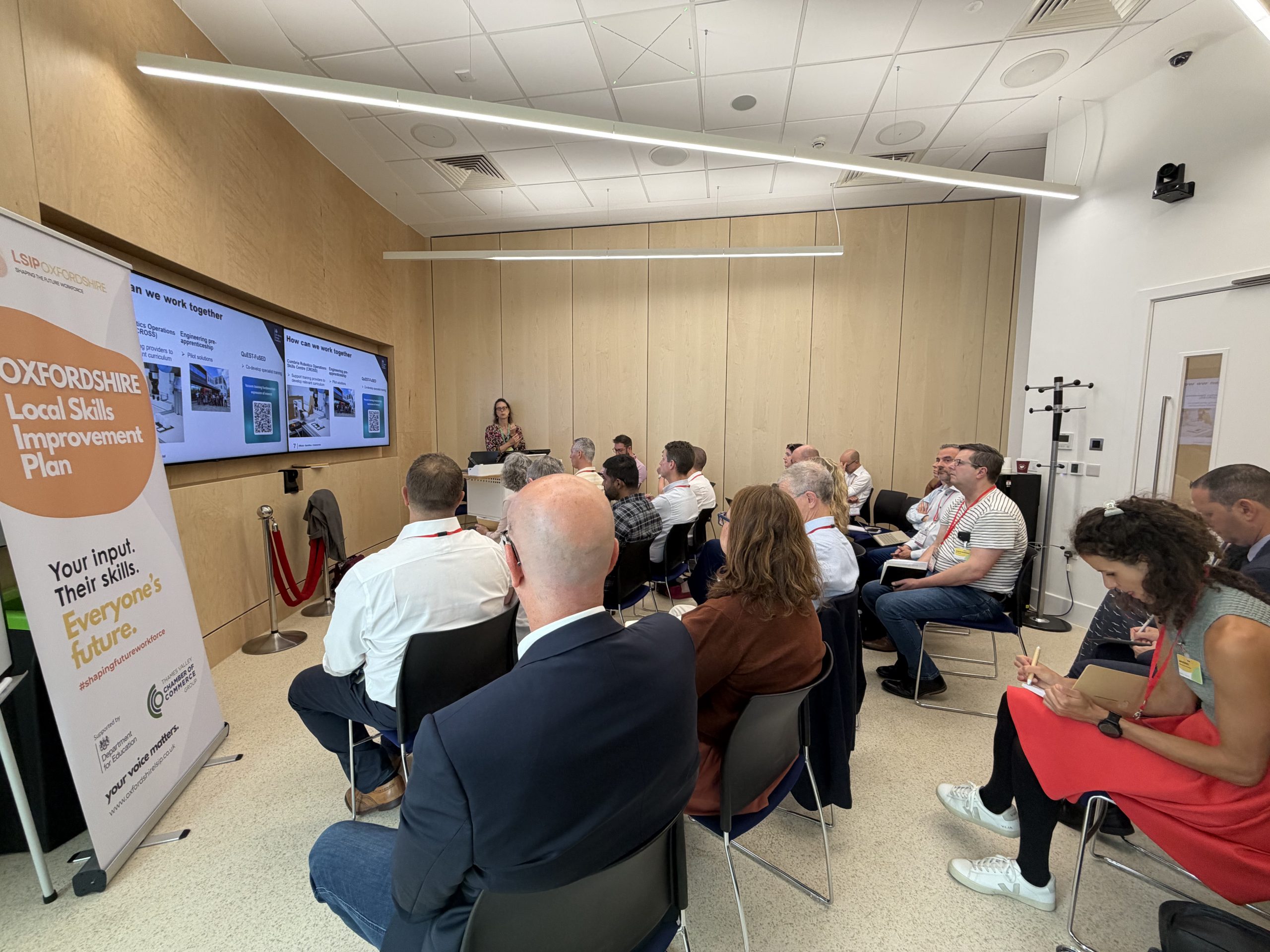
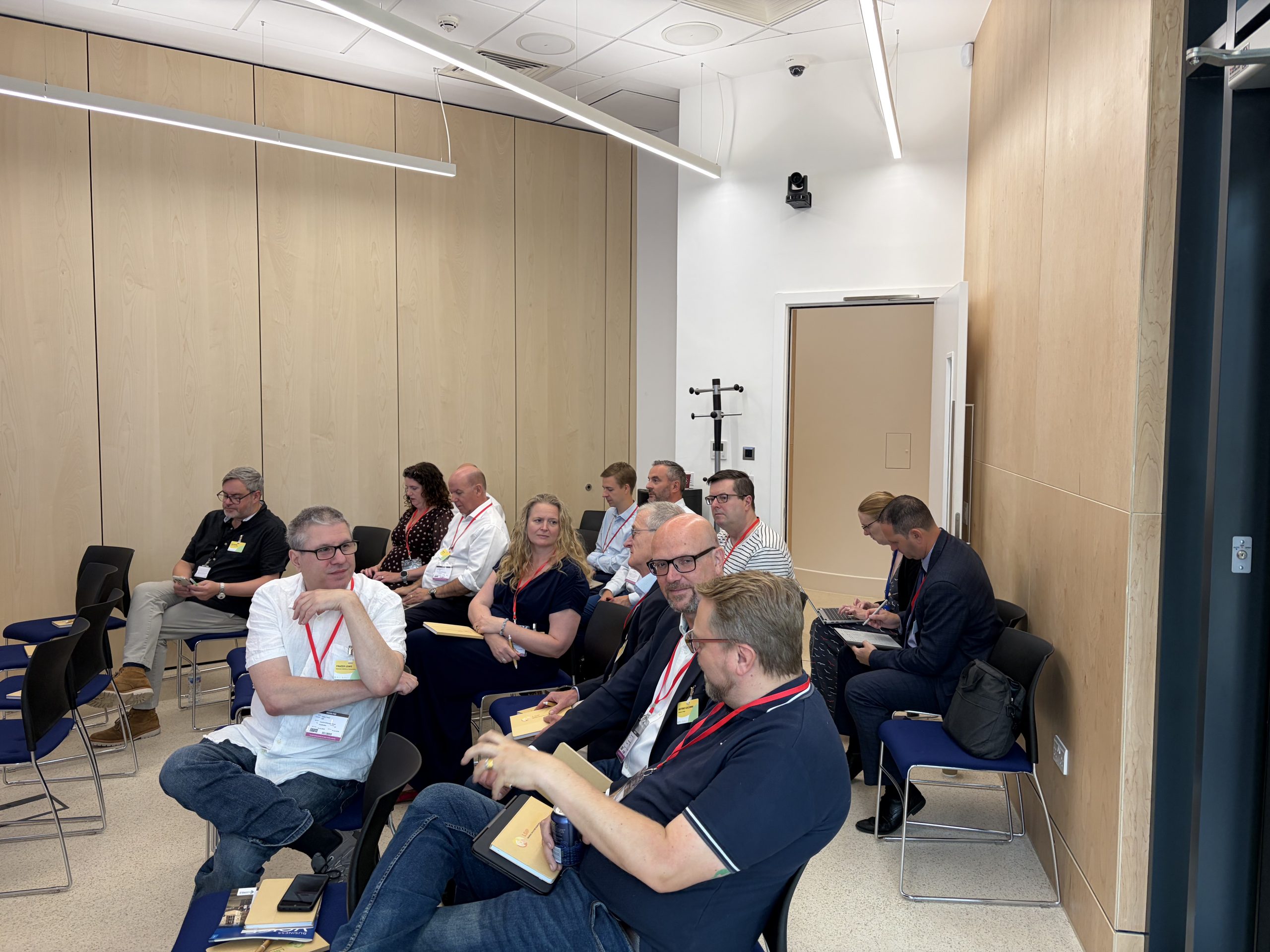
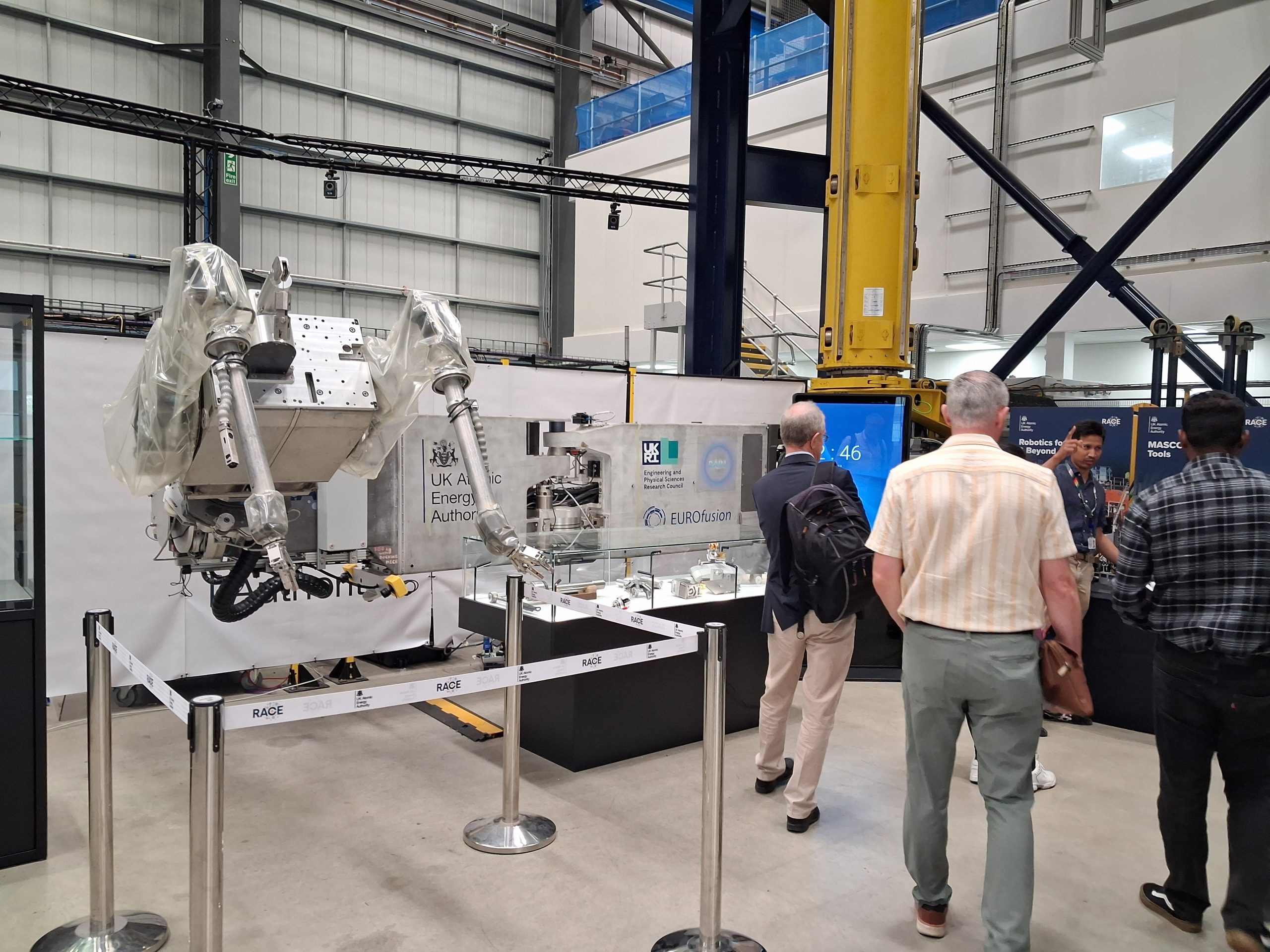
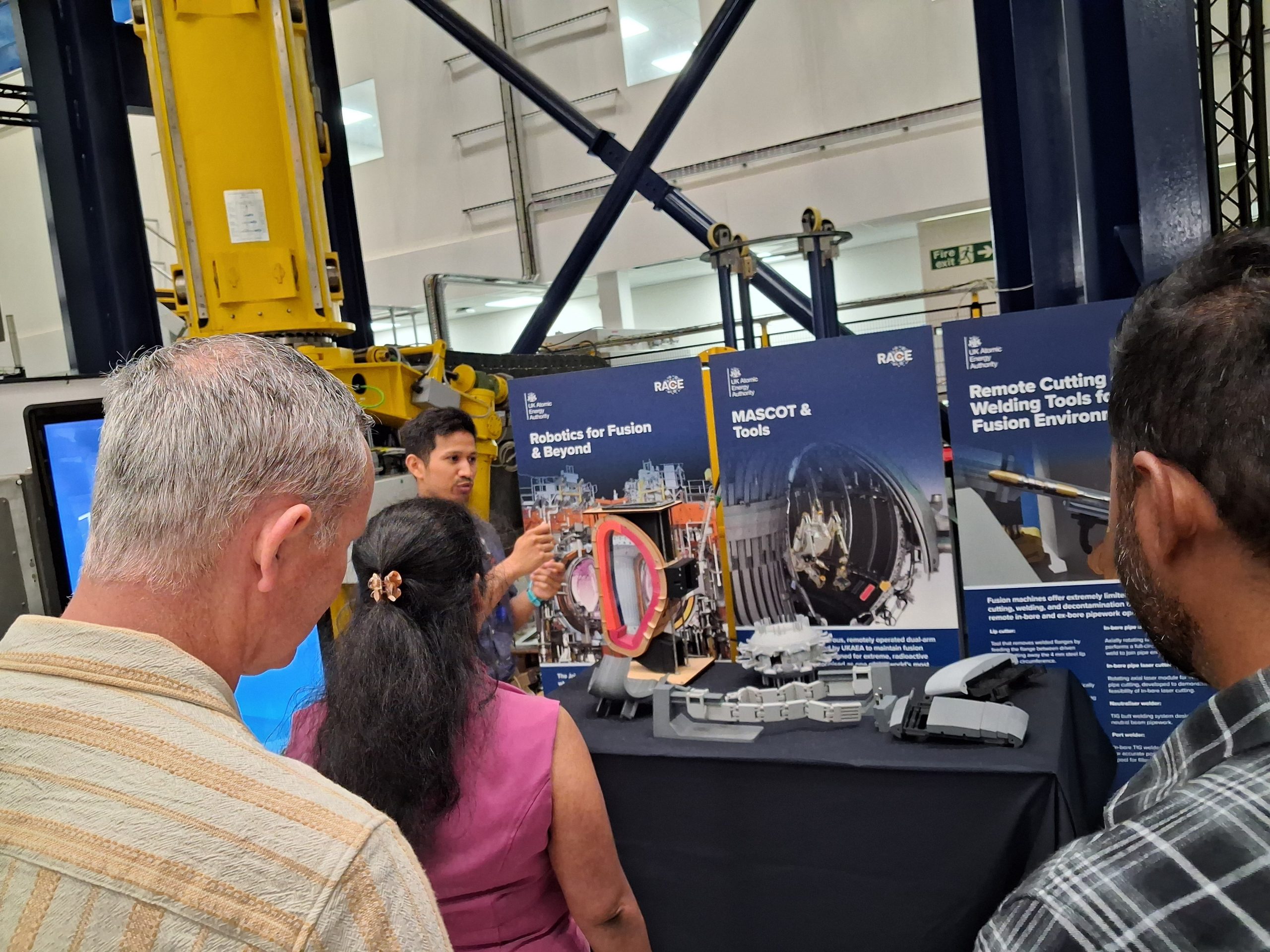
Employers, education providers and industry leaders from across Oxfordshire came together at UKAEA on Culham Campus, Abingdon, on 15 July to tackle some of the biggest skills questions facing the region’s fast-growing technology and innovation sector.
The latest Technology and Innovation Workforce Development Partnership (WDP) meeting brought together expertise from across advanced manufacturing, clean energy, fusion, quantum technologies, digital and education. With new technologies rapidly reshaping businesses and jobs, the meeting focused on how employers and education providers can work together to build the skilled workforce needed for future growth.
At the heart of the conversation was a clear challenge: ensuring education and training can keep pace with the speed of technological change. Employers highlighted recruitment pressures in specialist engineering, technician and advanced manufacturing roles, alongside the need for stronger Level 3–5 pathways that give people clear and accessible routes into technical careers.
Closer collaboration between employers and education providers was seen as central to addressing this challenge. From industry masterclasses and real-world challenges to curriculum reviews, staff development and regular classroom engagement, employers identified practical ways they can help learners gain a better understanding of the skills, technologies and working practices they will encounter in industry.
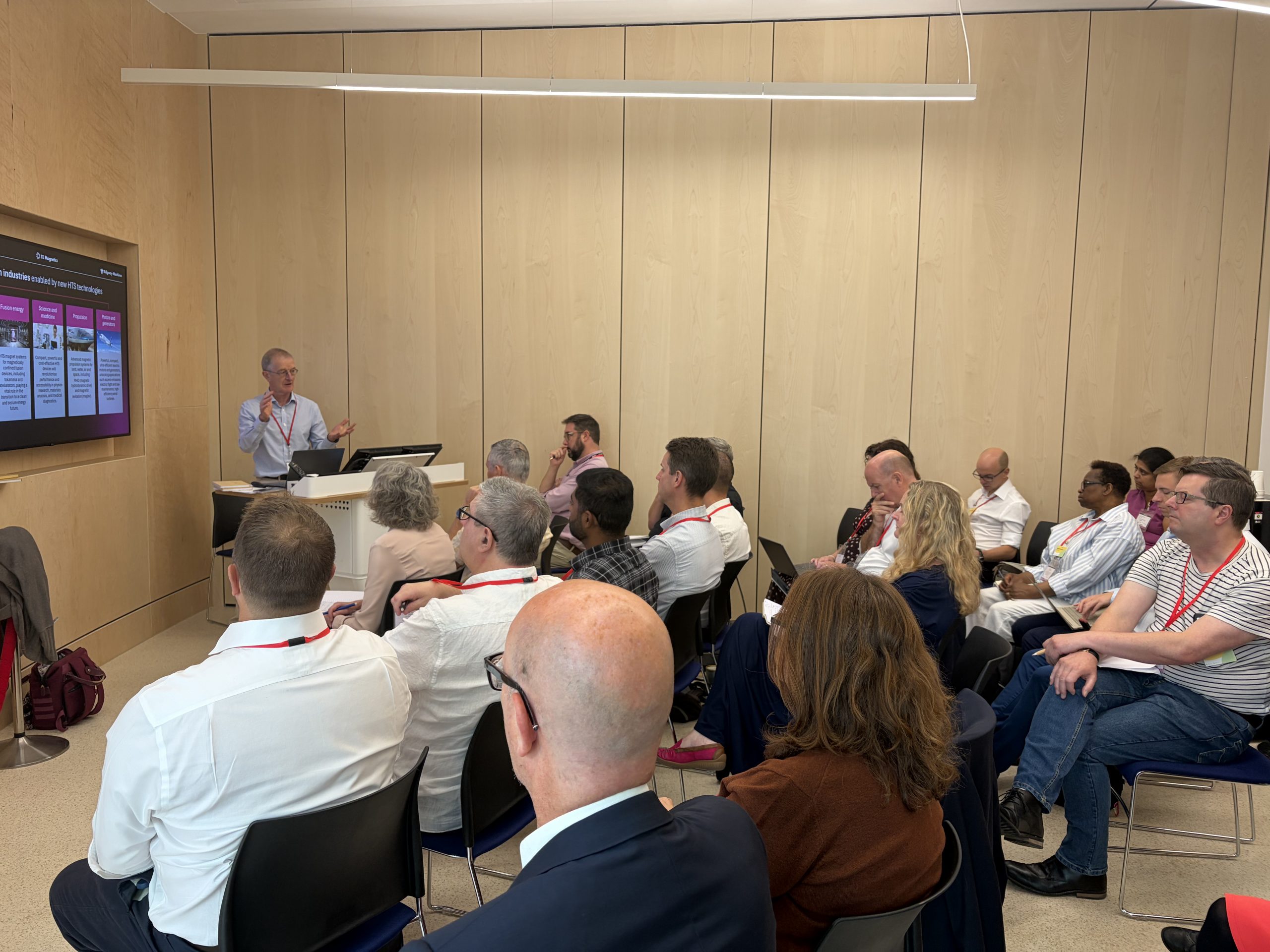
The growth of Oxfordshire’s technology cluster provided a strong example of why this matters. Tokamak Energy shared insight into developments in fusion energy and high-temperature superconducting magnets, technologies with potential applications extending beyond fusion into areas including science, medicine, propulsion, electric aircraft, motors and generators.
As these technologies move forward, they are creating demand for increasingly specialist skills. The meeting explored existing training in areas such as vacuum, leak detection and cryogenics, as well as opportunities for new apprenticeships, technician conversion courses and shorter, flexible programmes that could respond more quickly to employer demand.
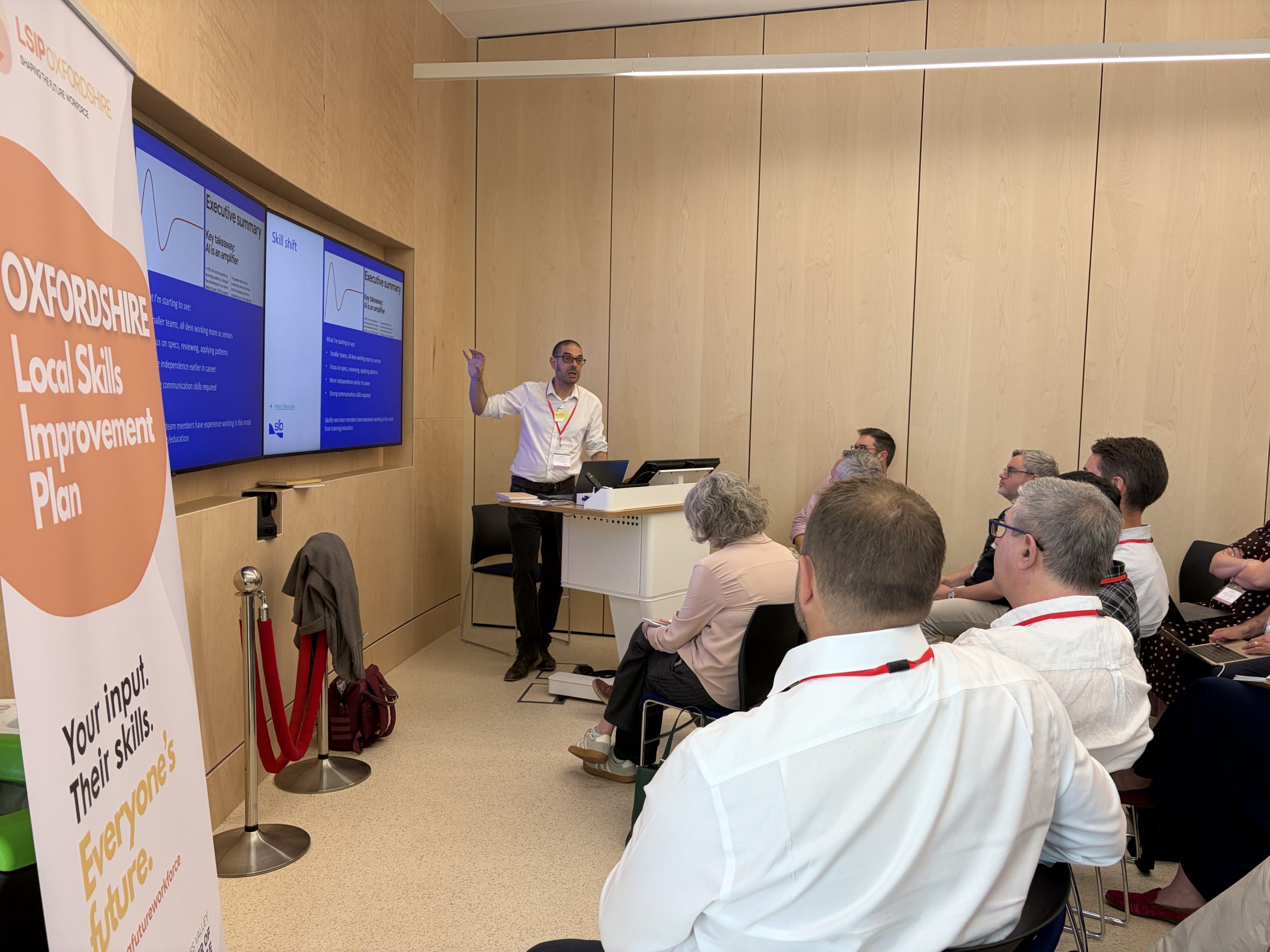
The potential of AI to transform the workplace was another major theme. Rather than focusing simply on which tasks AI might replace, the conversation centred on the skills people will need to work successfully alongside it.
Industry insight from SLB demonstrated how AI tools are already becoming part of software and technology teams. As routine tasks become increasingly AI-supported, employers are placing greater value on skills such as critical thinking, problem solving, communication and independent judgement. New entrants will increasingly need to know not only how to use AI, but how to question its outputs, understand its limitations and explain how they have used it.
This raised an important question about how education keeps pace with workplace practice. Employers and providers explored how learners could gain responsible, practical experience of AI during their education, including opportunities to use AI within assignments while explaining and evidencing their approach. Supporting teaching staff to develop the confidence and knowledge to use and teach emerging technologies was also identified as an important part of the picture.
For smaller businesses, the challenge can be different. SMEs may recognise the potential of AI and digital technologies to improve productivity but lack the time or capacity to identify the right tools, understand cyber security risks or determine what skills their teams need. The partnership will gather practical examples from employers to better understand where businesses need support and help shape future digital skills activity.
Building excitement around technology careers from an earlier age was also a priority. Employers highlighted apprenticeships, internships, mentoring and STEM engagement as valuable ways of developing the future talent pipeline, while recognising that highly technical job titles and terminology can sometimes make opportunities difficult for young people to understand.
Partners will therefore explore a shared careers resource that brings technical roles to life in simple, accessible language, helping young people, schools and careers advisers better understand the breadth of opportunities available across Oxfordshire’s technology and innovation sector.
The Technology and Innovation Workforce Development Partnership will continue to provide a direct employer voice into the Local Skills Improvement Plan (LSIP), helping ensure skills provision evolves alongside industry and that Oxfordshire can develop the talent needed to turn its strengths in technology and innovation into future growth.